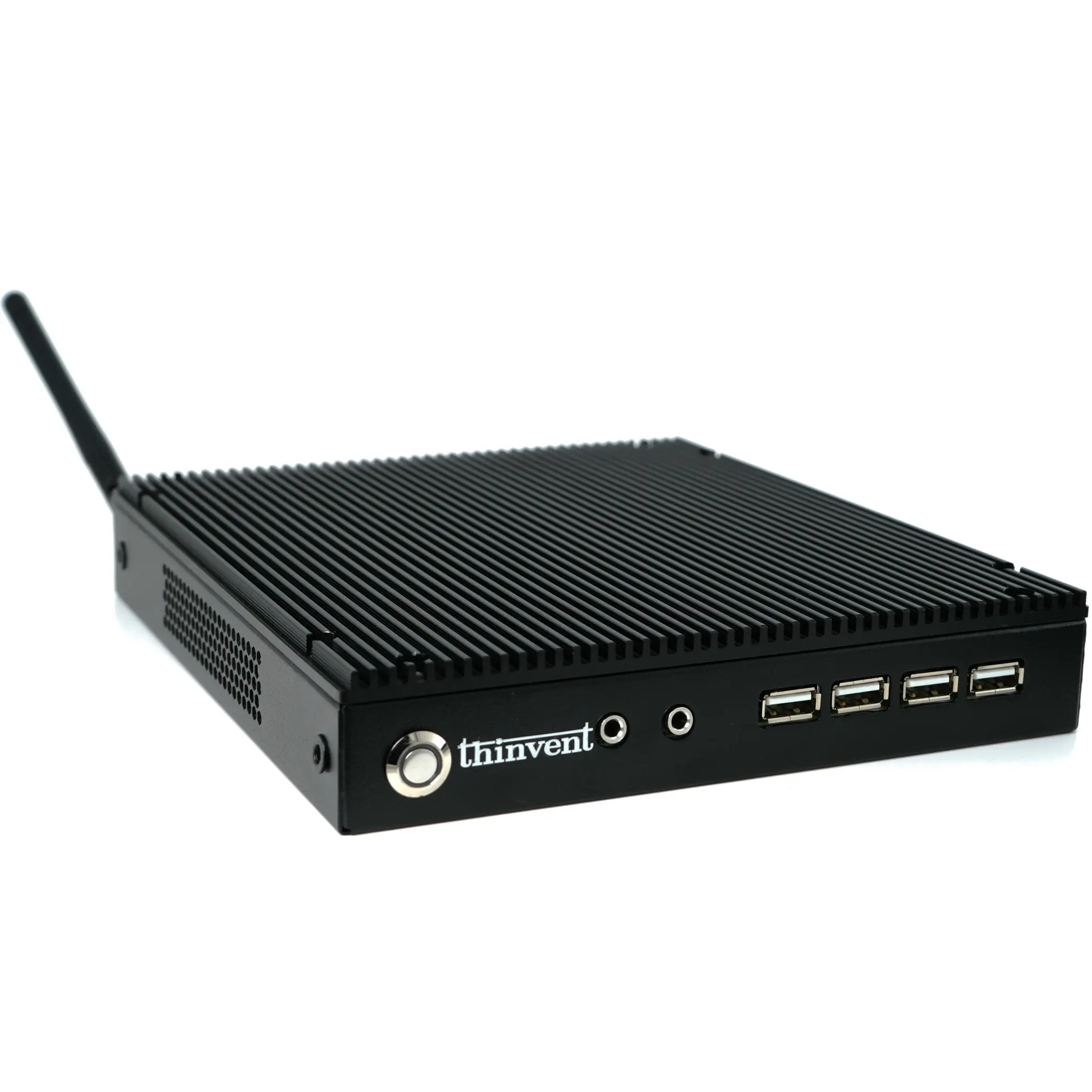
A Network HDD Enclosure, more commonly known as a Network Attached Storage (NAS) device or enclosure, is a specialized piece of hardware that houses one or more hard disk drives and connects directly to a network. Unlike a simple external USB drive, a NAS operates as an independent network node with its own processing power, memory, and operating system, allowing multiple users and devices to access, store, and share files centrally. This transforms standard hard drives into a private, always-available cloud storage solution.
Key Specifications and Technical Details A robust NAS enclosure is defined by several core components. The processor (CPU) and RAM are critical for handling file transfers, running applications, and managing multiple simultaneous users. Entry-level NAS devices often use ARM-based processors or Intel Celeron/J-series chips, while high-performance models feature Intel Core i3, i5, or even Xeon processors. Connectivity is paramount, with Gigabit Ethernet (1000 Mbps) being the standard, and many modern units offering 2.5GbE or 10GbE ports for faster throughput. Key physical features include multiple drive bays (from 1 to 8+), support for RAID configurations for data redundancy, and a variety of USB ports for expansion or backup.
Primary Use Cases and Applications Network HDD enclosures are versatile tools for both home and business environments. For Home & Media Centers, they serve as a central repository for photos, videos, and documents, streaming media to smart TVs, gaming consoles, and mobile devices. In Small Business & Office settings, NAS devices provide secure, centralized file sharing, automated backups for workstations, and can even host email servers or virtual machines. For Surveillance Systems, they offer reliable, high-capacity storage for network video recorder (NVR) software, storing footage from multiple IP cameras. Creative Professionals rely on high-performance NAS for collaborative project storage and fast access to large video and design files.
Choosing the Right NAS Solution Selecting an enclosure depends on your primary need. For basic file sharing and media streaming, a 2-bay unit with an ARM or Intel Celeron processor is sufficient. For business file servers, virtualization, or running multiple services like Plex or Docker, a 4+ bay unit with an Intel Core i-series processor and 8GB+ of RAM is recommended. Consider future storage needs, required RAID level (e.g., RAID 1 for mirroring, RAID 5 for balance), and the necessity for expansion ports like USB 3.2 or USB-C.
Thinvent Products for Network Storage Solutions While Thinvent specializes in industrial and mini PCs, these compact, reliable computers are perfectly suited to be transformed into powerful, custom NAS solutions. A Thinvent mini PC or industrial PC, with its fanless or low-noise design, robust construction, and support for multiple operating systems like Ubuntu Linux, provides an excellent hardware foundation. By adding an external multi-bay USB 3.2 Gen 2 or USB-C hard drive enclosure, a Thinvent device running open-source NAS software (like TrueNAS Core or OpenMediaVault) becomes a highly customizable and cost-effective network storage server. This approach offers flexibility in processor choice (from efficient Intel N-series for lightweight duties to powerful Core i5 for heavy workloads), RAM configuration, and connectivity, allowing you to build a NAS tailored to your exact performance and capacity requirements.