Intel N100 vs J6412: A Technical Comparison
When selecting a processor for compact computing solutions like mini PCs, thin clients, or industrial PCs, understanding the differences between Intel's processor families is crucial. The Intel Processor N100 (Alder Lake-N) and the Intel Celeron J6412 (Elkhart Lake) represent two distinct generations and design philosophies within Intel's low-power lineup. This guide provides a direct comparison to help you make an informed decision.
Key Specifications and Technical Details
The Intel N100 is a 12th Generation (Alder Lake-N) processor built on a more modern 10nm process. It features 4 efficient cores (E-cores only), a base frequency of 1.0 GHz, and a max turbo frequency of 3.4 GHz. It includes 6MB of L3 cache and a 6W base power (TDP), with a configurable TDP down to 3.5W. It supports up to 16GB of DDR5 or DDR4 memory and features Intel UHD Graphics based on the Xe architecture. In contrast, the Intel Celeron J6412 is an older-generation processor from the Elkhart Lake family (based on Tremont cores). It is also a 4-core, 4-thread CPU but operates at a higher base TDP of 10W. It has a base frequency of 2.0 GHz and a burst frequency of 2.6 GHz, with 1.5MB of L2 cache. It supports DDR4/LPDDR4x memory and uses the older Intel UHD Graphics.
| Feature | Intel Processor N100 | Intel Celeron J6412 |
|---|---|---|
| Generation | 12th Gen (Alder Lake-N) | Elkhart Lake (Tremont) |
| Process Node | Intel 7 (10nm) | 10nm |
| Cores / Threads | 4 Cores / 4 Threads | 4 Cores / 4 Threads |
| Max Turbo Frequency | Up to 3.4 GHz | Up to 2.6 GHz |
| Cache (L3) | 6 MB | 1.5 MB (L2) |
| Base TDP | 6 W | 10 W |
| Integrated Graphics | Intel UHD Graphics (Xe-based) | Intel UHD Graphics |
| Memory Support | DDR5-4800, DDR4-3200, LPDDR5-4800 | DDR4-3200, LPDDR4x-3733 |
| PCIe Support | PCIe Gen 3 | PCIe Gen 3 |
Use Cases and Applications
The Intel N100 is the superior choice for modern, efficiency-focused applications. Its newer architecture and higher burst speeds make it ideal for general office productivity, web browsing with multiple tabs, 4K video playback, and light content creation. Its significantly lower power consumption also makes it perfect for fanless, always-on devices in digital signage, kiosks, and edge computing nodes where thermal management and energy efficiency are priorities.
The Intel Celeron J6412 is a capable processor for basic, fixed-function workloads. It is well-suited for legacy thin client deployments, simple point-of-sale systems, and industrial control applications where extreme performance is not required, and the platform's proven reliability is valued. However, for any new deployment, the N100 offers better performance per watt, future-proofing, and enhanced media capabilities.
Thinvent Products Featuring Intel N100 Technology
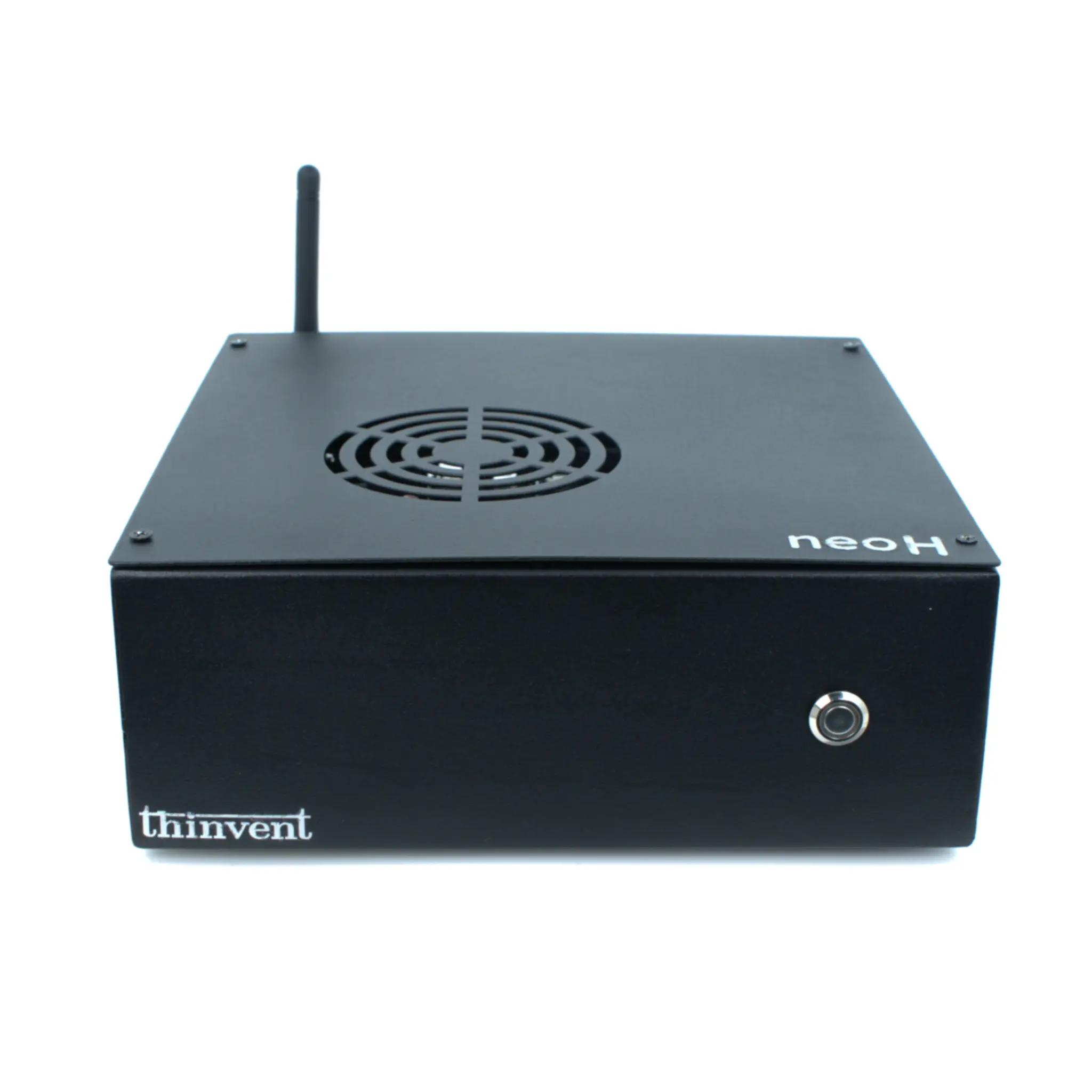
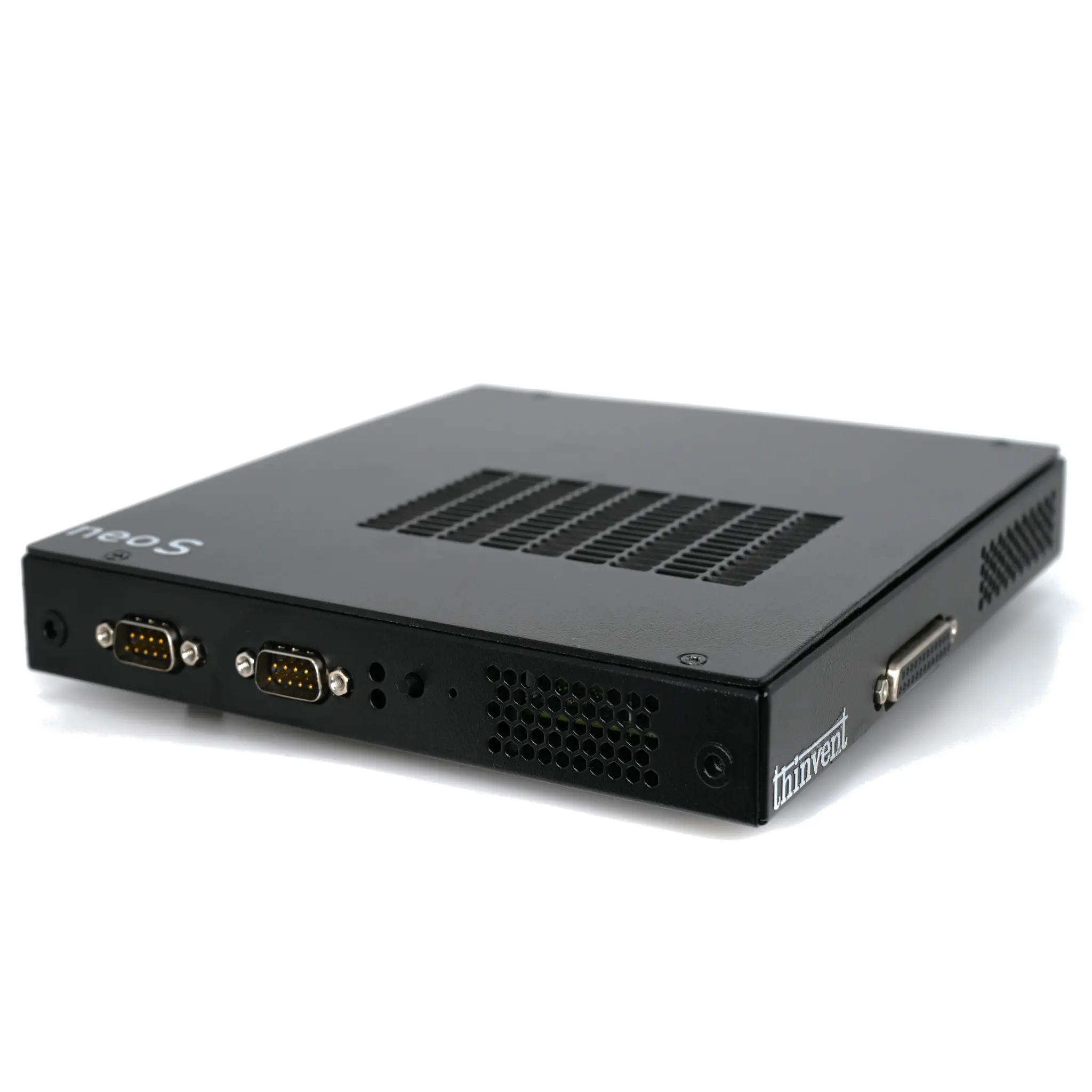
Thinvent leverages the efficiency and performance of the Intel Processor N100 across its compact computing lineup. Our fanless Treo Mini PC and rugged Industrial PC IPC1 models are built around this capable processor, offering a perfect balance of low power consumption and modern performance for business and industrial environments. These systems are configured with DDR4 RAM and SSD storage, running on Thinux™ Embedded Linux or Ubuntu Linux, providing reliable, silent operation for digital signage, kiosks, lightweight workstations, and edge computing applications. By choosing Thinvent, you get a purpose-built system that maximizes the potential of the N100's architecture for dependable, 24/7 operation.