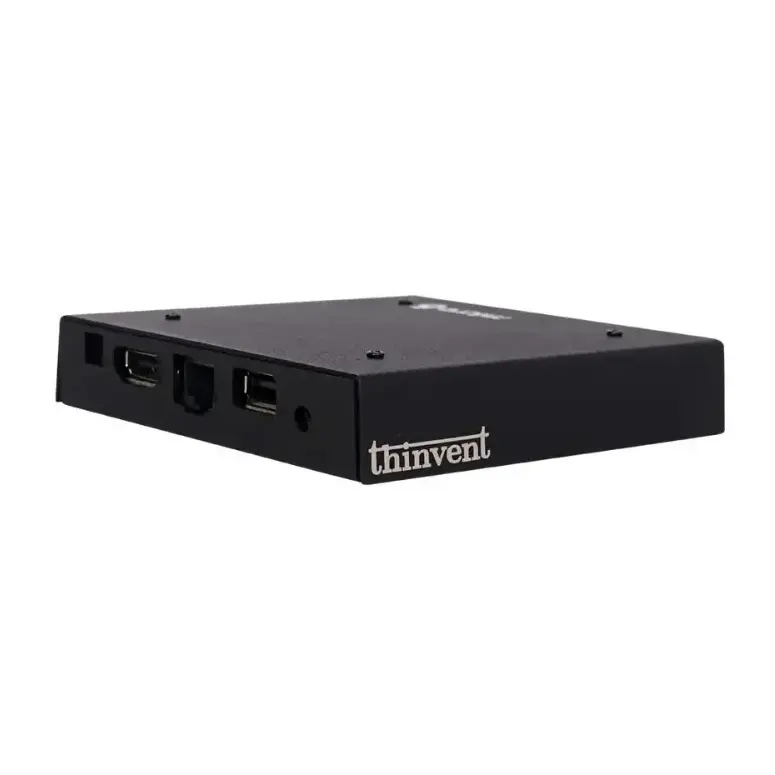
What Are ARM-Based PCs?
ARM-based PCs are computing devices that utilize processors built on the ARM (Advanced RISC Machine) architecture, as opposed to the more common x86 architecture from Intel and AMD. These systems are characterized by their exceptional power efficiency, low heat generation, and compact form factors, making them ideal for always-on, embedded, and edge computing applications. They are designed to run operating systems like various Linux distributions, Android, and specialized embedded platforms.
Key Specifications and Technical Advantages
The core advantage of ARM processors lies in their RISC (Reduced Instruction Set Computer) design, which allows for simpler, more efficient processing. This translates to several key benefits for industrial applications:
-
Ultra-Low Power Consumption: ARM chips typically operate at a fraction of the wattage of comparable x86 processors, reducing operational costs and enabling passive (fanless) cooling.
-
Compact and Rugged Designs: The low thermal output allows for extremely small, sealed form factors that are resistant to dust, vibration, and wide temperature ranges.
-
Integrated Features: Modern ARM System-on-a-Chip (SoC) designs often integrate the CPU, GPU, memory controller, and I/O onto a single chip, enhancing reliability and reducing the physical footprint of the motherboard.
Use Cases and Applications
ARM-based industrial computers are deployed in scenarios where reliability, size, and energy efficiency are paramount.
-
Digital Signage & Kiosks: Perfect for driving displays in retail, hospitality, and public transport due to silent operation and low power draw.
-
IoT Gateways & Edge Computing: Act as data aggregation points in smart factories, collecting and processing sensor data locally before sending it to the cloud.
-
Thin Clients & VDI: Provide secure, cost-effective endpoints for virtual desktop infrastructure in offices, call centers, and healthcare.
-
Embedded Control Systems: Used in automation, robotics, and medical devices where deterministic performance and long-term stability are critical.
Comparison: ARM vs. x86 for Industrial Use
| Feature | ARM-Based Systems | x86-Based Systems (e.g., Intel) |
|---|---|---|
| Power Efficiency | Excellent (Very low TDP) | Moderate to High |
| Thermal Design | Often Fanless (passive cooling) | Often requires active cooling |
| Software Ecosystem | Linux, Android, Embedded OS | Windows, Linux, Broad legacy support |
| Performance Profile | High efficiency per watt, great for dedicated tasks | High raw compute power, better for complex multitasking |
| Typical Use Case | Embedded, Edge, Always-on applications | Workstations, Servers, General-purpose industrial PCs |
Thinvent's ARM-Based Industrial Solutions
Thinvent offers a range of robust, fanless industrial computers powered by ARM architecture, designed for demanding environments. Our solutions prioritize reliability and longevity, featuring wide voltage input ranges, extended temperature operation, and rich I/O connectivity including multiple LAN, USB, and display ports. Whether for a compact IoT gateway, a digital signage player, or a dedicated control unit, Thinvent's ARM-based PCs provide the perfect blend of efficiency, silent operation, and industrial-grade durability for global deployments.