What Is a Pocket-Sized Computer?
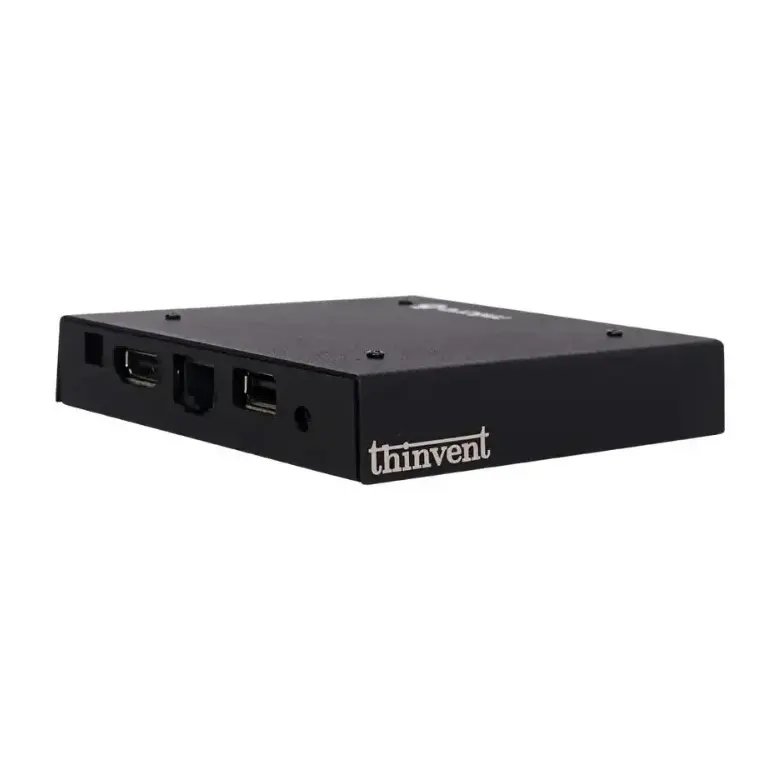
A pocket-sized computer is an ultra-compact computing device designed to fit in the palm of your hand or slip into a pocket, yet still deliver full desktop functionality. These miniature systems are ideal for users who need a powerful, portable workstation without the bulk of a traditional laptop or desktop tower. Despite their small footprint, pocket-sized computers often feature energy-efficient processors, solid-state storage, and fanless cooling for silent, reliable operation.
Key Specifications and Technical Details
Pocket-sized computers typically utilize low-power processors such as ARM Cortex-A series (e.g., A53, A55) or Intel N-series (e.g., N100, N95) for efficient performance. They commonly include:
-
Processor: ARM Cortex-A53/A55 (4 cores, up to 2.0 GHz) or Intel N100/N95 (4 cores, up to 3.4 GHz)
-
Memory: 2GB to 4GB RAM (onboard or DDR4)
-
Storage: 16GB to 128GB eMMC or SSD
-
Connectivity: Dual-band WiFi, Bluetooth, HDMI output, USB ports
-
Power: Low voltage (5V-12V) via compact adapter
-
Cooling: Fanless design for silent operation
These systems run lightweight operating systems like Thinux Embedded Linux or Ubuntu, making them suitable for embedded applications, digital signage, thin client computing, and IoT gateways.
Use Cases and Applications
Pocket-sized computers excel in scenarios where space is limited and portability is essential:
| Use Case | Description |
|---|---|
| Thin Client Computing | Connect to virtual desktops or remote servers for secure, centralized IT management |
| Digital Signage | Drive small displays in retail kiosks, information boards, or menu boards |
| IoT Gateways | Process sensor data and communicate with cloud platforms in smart buildings or factories |
| Home Automation | Run lightweight home assistant software or media streaming |
| Education & Development | Provide low-cost computing for coding, learning, or prototyping |
Their fanless, low-power design also makes them ideal for dusty or noisy environments where traditional computers might fail.
Comparison: ARM vs Intel Pocket PCs
| Feature | ARM Cortex-A53/A55 | Intel N100/N95 |
|---|---|---|
| Cores | 4 | 4 |
| Max Frequency | 1.9-2.0 GHz | 3.4 GHz |
| Cache | 1 MB | 6 MB |
| RAM | 2-4 GB onboard | 4 GB DDR4 |
| Storage | 16-64 GB eMMC | 128 GB SSD |
| Power | 5V 2A (10W) | 12V 5A (60W) |
| OS | Thinux Embedded Linux | Ubuntu/Windows |
| Best For | Ultra-low power, embedded | Higher performance, general use |
Thinvent's Pocket-Sized Product Range
Thinvent offers a variety of pocket-sized computers engineered for reliability and efficiency:
-
Thinvent Micro 5 & Micro 6 Pro: ARM-based ultra-compact thin clients with dual-band WiFi, fanless cooling, and Thinux Embedded Linux. Perfect for cloud computing and embedded applications.
-
Thinvent Treo Mini PC: Intel N-series mini PCs in a compact form factor, available with Ubuntu or Thinux Linux. Ideal for digital signage, thin clients, and home automation.
-
Thinvent Aero Mini PC: Slightly larger but still highly portable, powered by Intel Core i3 or Core 5 processors for more demanding workloads.
All Thinvent pocket PCs feature industrial-grade components, low power consumption, and quiet operation, making them suitable for 24/7 use in commercial and industrial environments.