What is Processor Architecture in Embedded Systems?
Processor architecture refers to the fundamental design and instruction set of a central processing unit (CPU) that defines how it executes software commands. In embedded systems, the choice of architecture is critical as it determines performance, power efficiency, software compatibility, and system cost. Unlike general-purpose computers, embedded systems are designed for specific, dedicated functions, making the processor architecture a cornerstone of their reliability and operational effectiveness.
Key Architectures and Technical Details
The two dominant processor architectures in modern embedded computing are x86 (primarily from Intel and AMD) and ARM. x86 architectures, like Intel's Celeron, Core i-series, and Atom processors, are known for high performance, broad software ecosystem support (especially for Windows), and complex instruction set computing (CISC). ARM architectures use a Reduced Instruction Set Computing (RISC) design, which prioritizes power efficiency and heat management, making them ideal for fanless, always-on applications. Key specifications to consider include the number of cores, thermal design power (TDP), instruction set, and support for real-time operating systems (RTOS).
| Architecture | Typical Use Case | Power Profile | Software Ecosystem |
|---|---|---|---|
| x86 (Intel) | Industrial Automation, Digital Signage, Kiosks | Moderate to High | Windows, Linux, Legacy Industrial Software |
| ARM | IoT Gateways, Edge Computing, Portable Medical Devices | Very Low | Linux, Android, Custom RTOS |
Applications and Selection Criteria
Selecting the right processor architecture depends on the application's requirements. For compute-intensive tasks like machine vision, data acquisition, or running multiple virtual machines, an x86 processor (e.g., Intel Core i5/i7) is often necessary. For applications demanding ultra-low power consumption, minimal heat output, and long-term reliability in harsh environments—such as in-vehicle systems, smart sensors, or remote monitoring—an ARM-based system is typically superior. The architecture also dictates the available operating systems; x86 supports a full range from Windows to Linux, while ARM is best paired with Linux or specialized embedded OSs.
Thinvent Products Featuring Advanced Processor Architectures
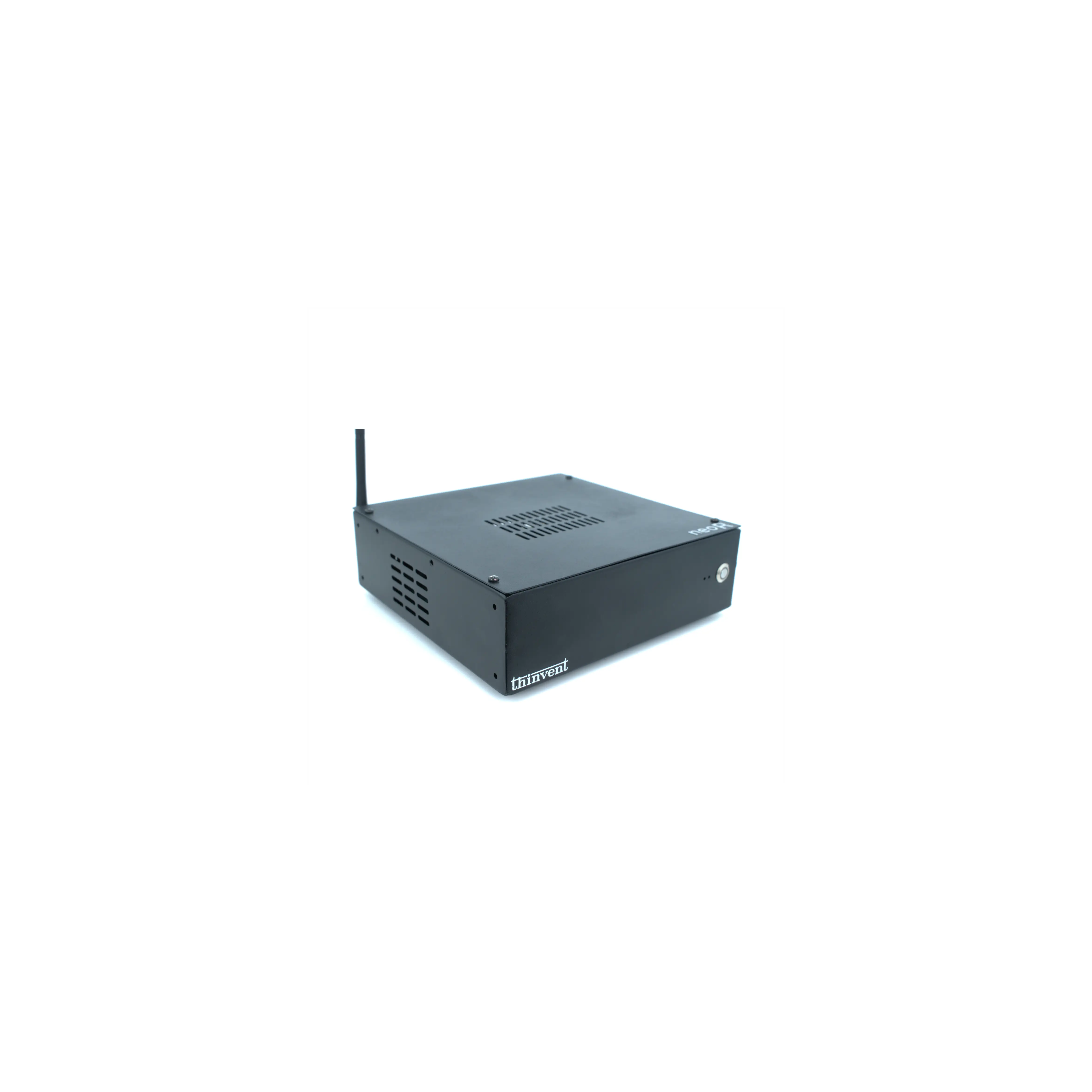
Thinvent's range of industrial computers is built with a clear understanding of embedded system demands. Our product lines incorporate both high-performance Intel x86 processors and efficient ARM-based solutions to meet diverse application needs. For example, our fanless Aero Mini PC series utilizes Intel's latest low-power x86 architectures, like the 12th Gen Intel® Processor N100, delivering reliable performance in a compact, rugged form factor ideal for digital signage, thin clients, and industrial control. We also offer systems with specialized embedded operating systems like Thinux™, ensuring stability and security for long deployment cycles. Explore our catalog to find the perfect architectural match for your embedded computing challenge.