Understanding Computer Processors for Industrial Applications
The processor, or Central Processing Unit (CPU), is the primary component determining a computer's performance, efficiency, and suitability for specific tasks. In industrial computing, the choice of processor is critical for ensuring reliability, thermal management, and long-term stability in demanding environments. Unlike consumer-grade parts, industrial processors are selected for their durability, extended lifecycle support, and ability to operate in wide temperature ranges, often within fanless, sealed enclosures.
Key Specifications and Technical Details
When evaluating a processor, several core specifications define its capability:
-
Cores and Threads: Determines multitasking ability. More cores allow for parallel processing of multiple applications, essential for automation and control systems.
-
Clock Speed (GHz): The speed at which a core executes instructions. Higher speeds benefit single-threaded applications.
-
Cache Memory (MB): A small, fast memory pool on the CPU that stores frequently accessed data, significantly reducing latency.
-
Thermal Design Power (TDP): Indicates heat generation. Lower TDP processors (e.g., Intel N-series) are ideal for fanless, compact designs as they require less cooling.
-
Instruction Set & Generation: Newer processor generations (e.g., 12th, 13th, 14th Gen Intel®) offer improved performance per watt, better integrated graphics, and support for modern interfaces.
Use Cases and Application Matching
Selecting the right processor hinges on the intended application:
-
Entry-Level / IoT Gateways: Processors like the Intel® Celeron® or Intel® Processor N-series (e.g., N100) are perfect for digital signage, thin clients, and basic edge computing due to their low power draw and cost-effectiveness.
-
Mid-Range Industrial Automation: Intel® Core™ i3 and i5 processors provide balanced performance for machine vision, PLC supervision, and HMI stations, handling multiple I/O streams reliably.
-
High-Performance Workstations: For demanding tasks like AI inference, complex data analytics, or CAD, Intel® Core™ i5/i7 and higher processors with more cores (10, 12+) and higher clock speeds are necessary.
Processor Comparison for Industrial PCs
| Processor Series | Typical Cores | Ideal Use Case | Key Strength |
|---|---|---|---|
| Intel® Processor N-series | 4 | Fanless Mini PCs, Digital Signage, Kiosks | Ultra-low power, fanless operation, cost-effective |
| Intel® Celeron® | 2-4 | Thin Clients, Basic Control Units | Reliable, low-cost, energy-efficient |
| Intel® Core™ i3 | 4-6 | HMI Panels, Retail POS, Light Automation | Balanced performance for everyday tasks |
| Intel® Core™ i5/i7 | 6-14 | Machine Vision, Edge Servers, Advanced Workstations | High multi-threaded performance for demanding apps |
Thinvent Industrial Computers with Optimized Processors
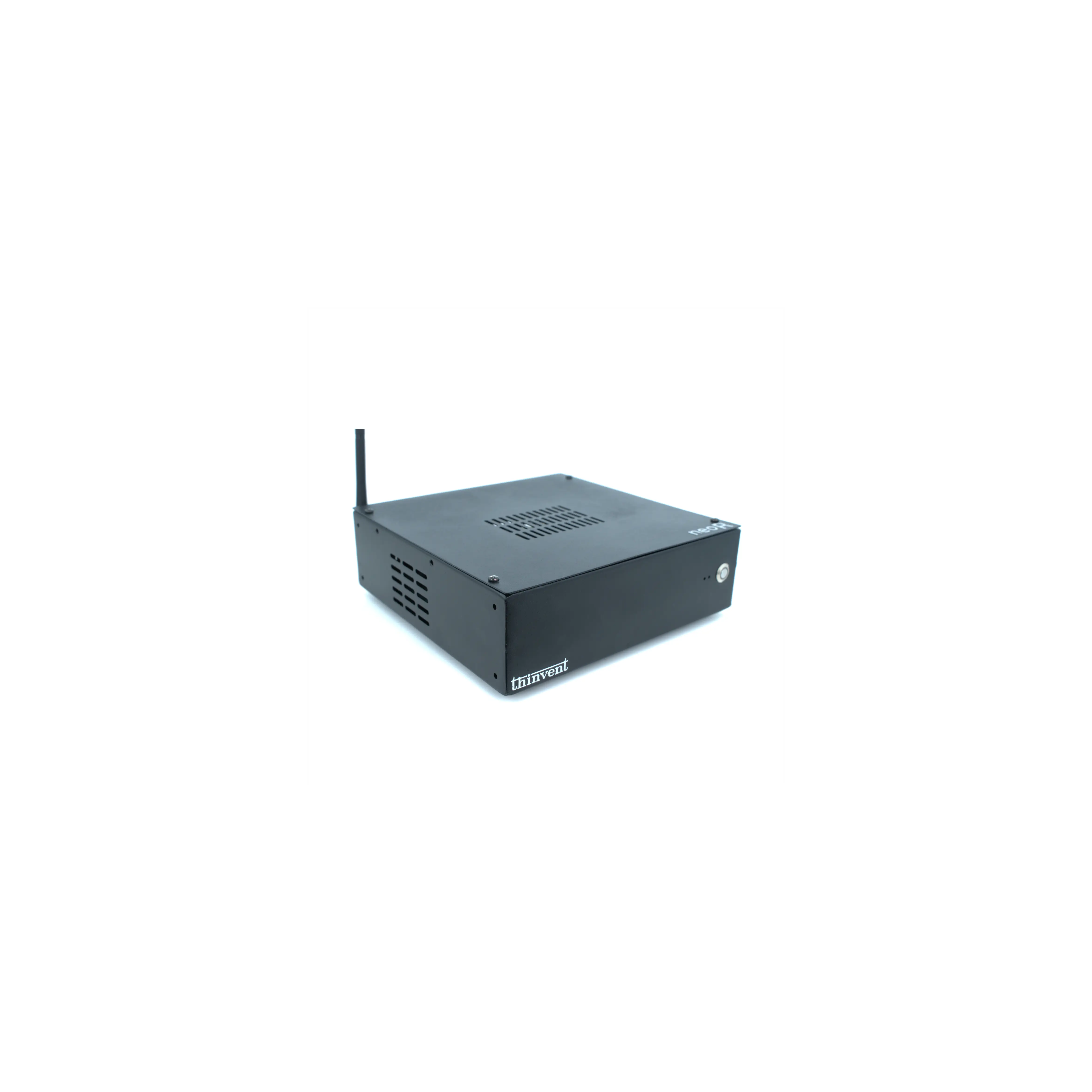
Thinvent designs its industrial computing solutions around carefully selected processors to match real-world operational demands. Our product range includes fanless Mini PCs powered by efficient Intel N-series CPUs for space-constrained and harsh environments, robust Industrial PCs with Intel Core i-series processors for automation control, and versatile All-in-One panels perfect for interactive kiosks and control rooms. Each system is engineered to leverage the full potential of its processor, ensuring stable, long-term performance with comprehensive I/O connectivity for industrial peripherals.