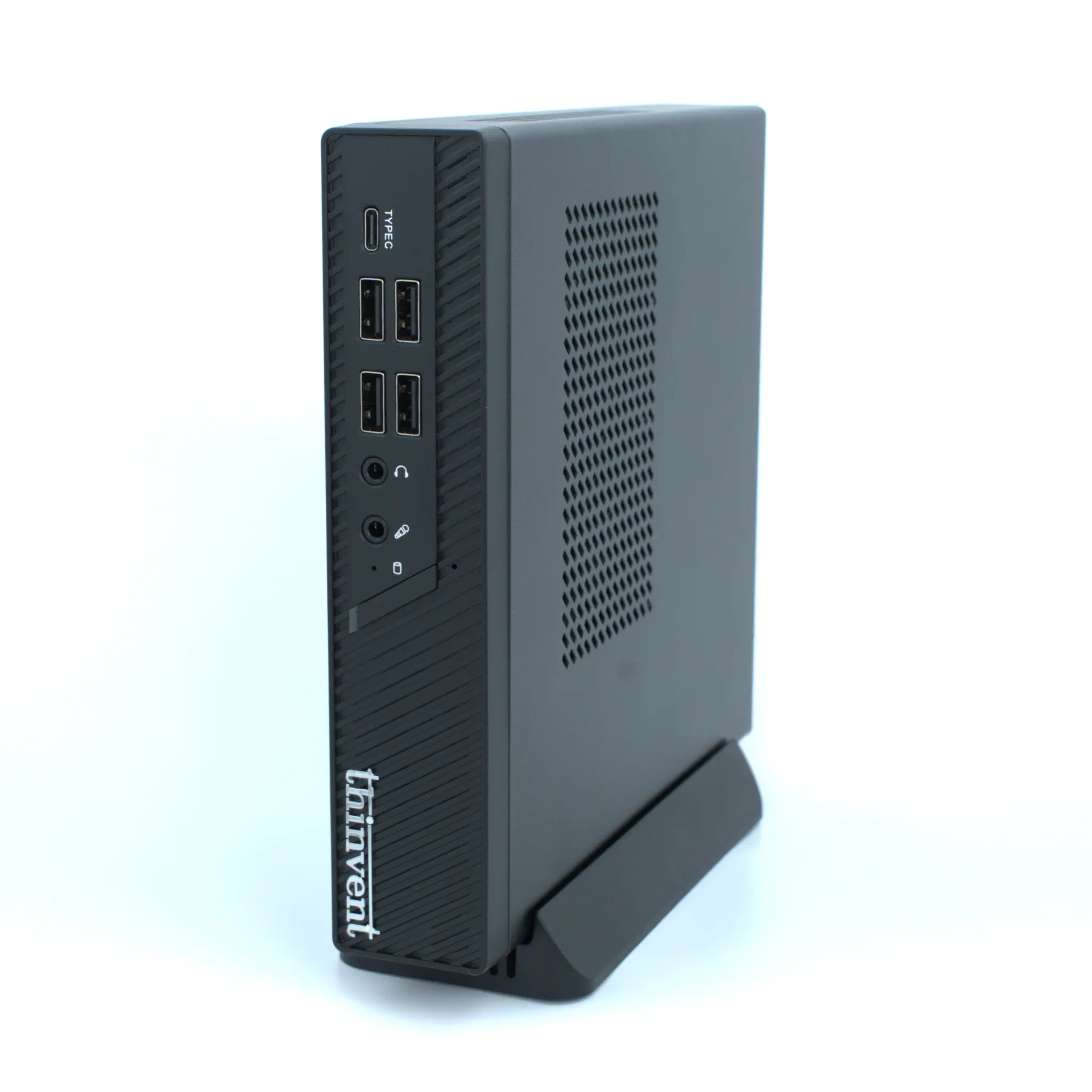
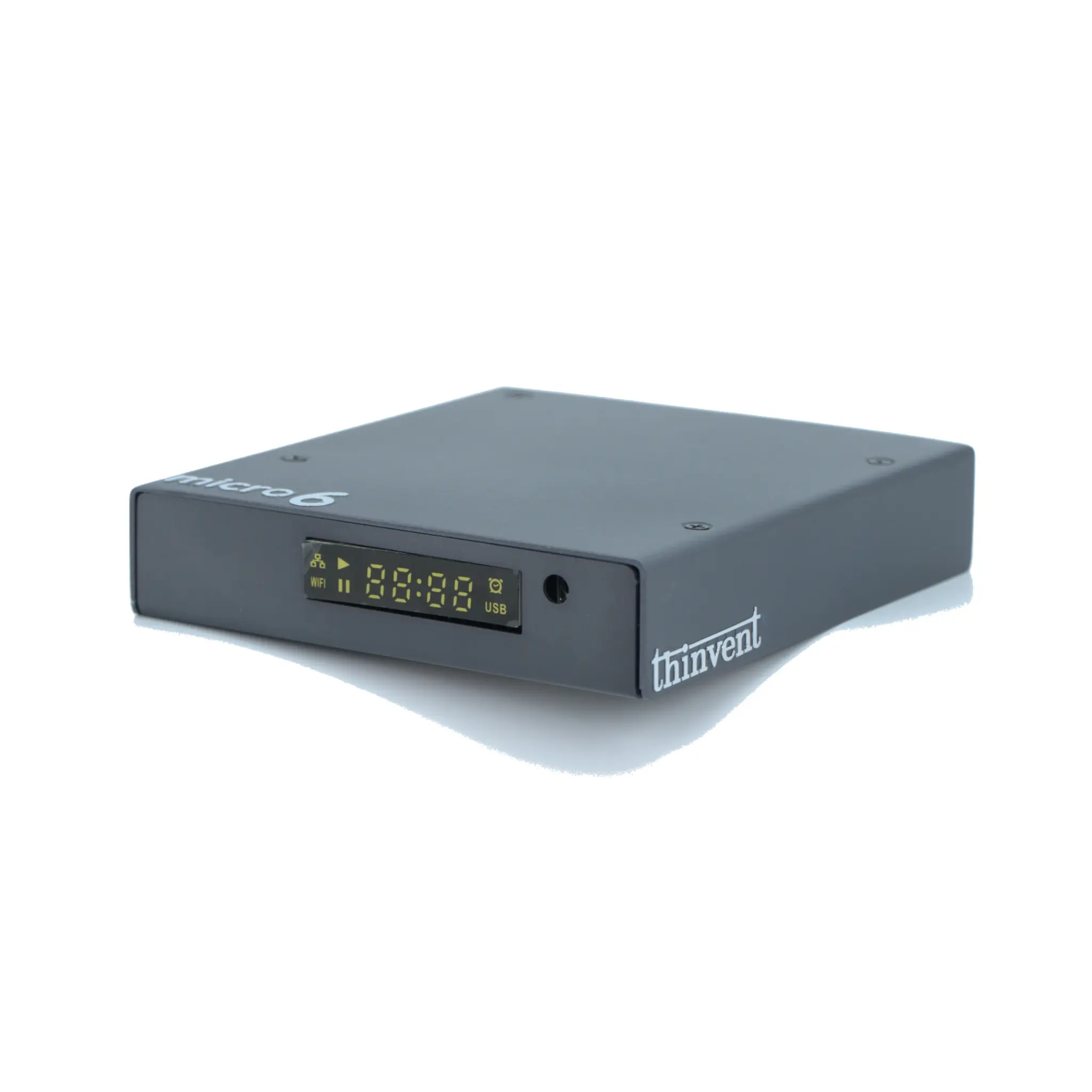
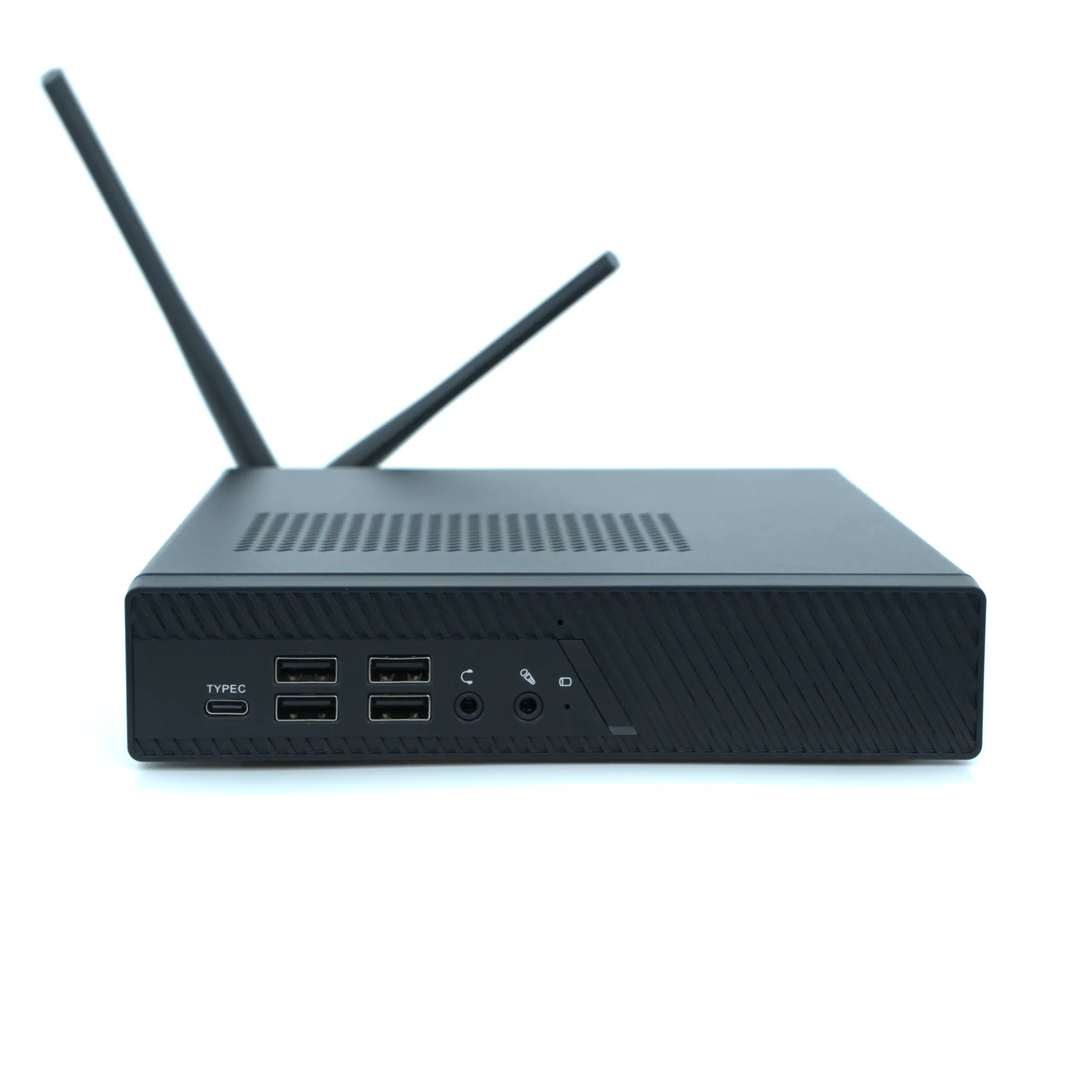
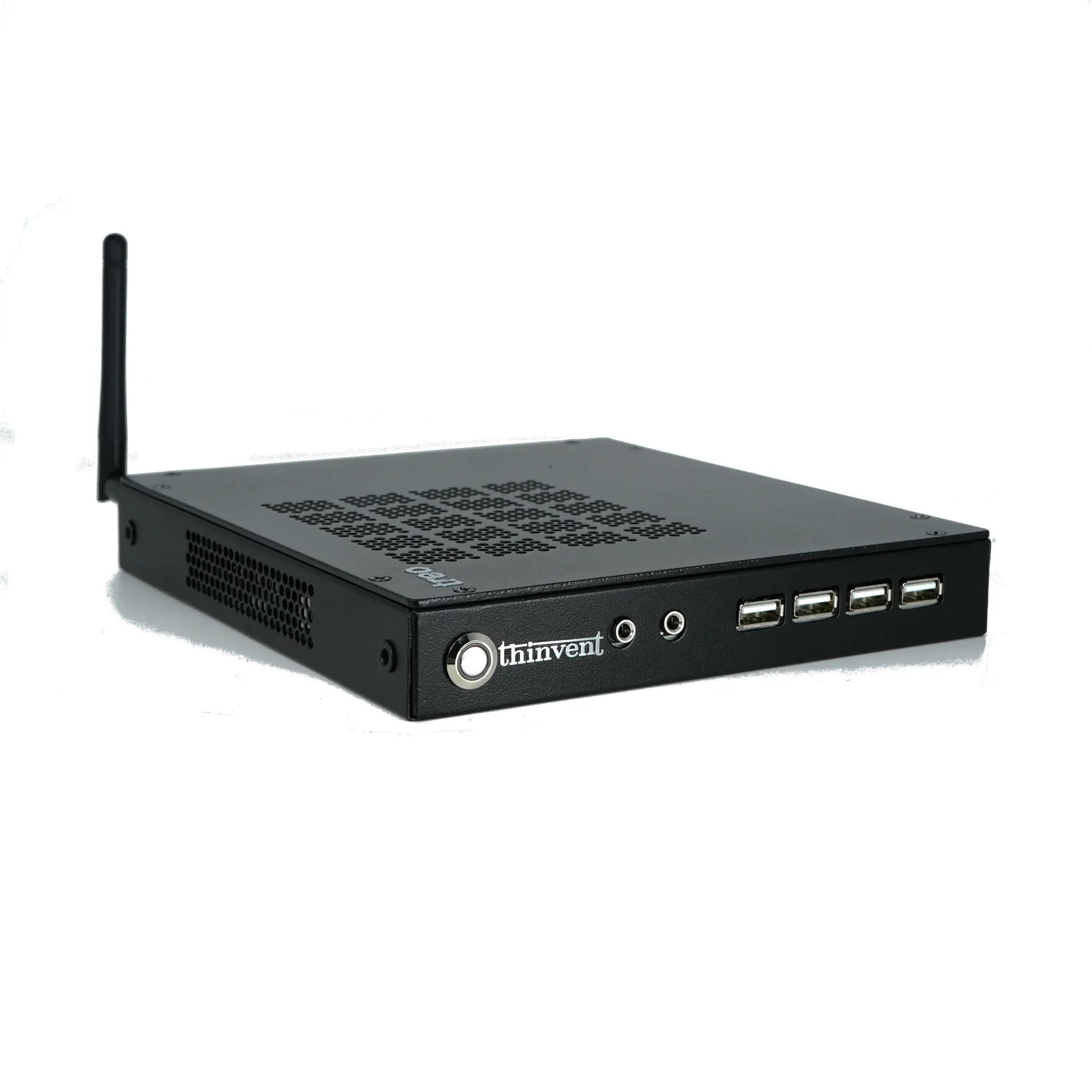
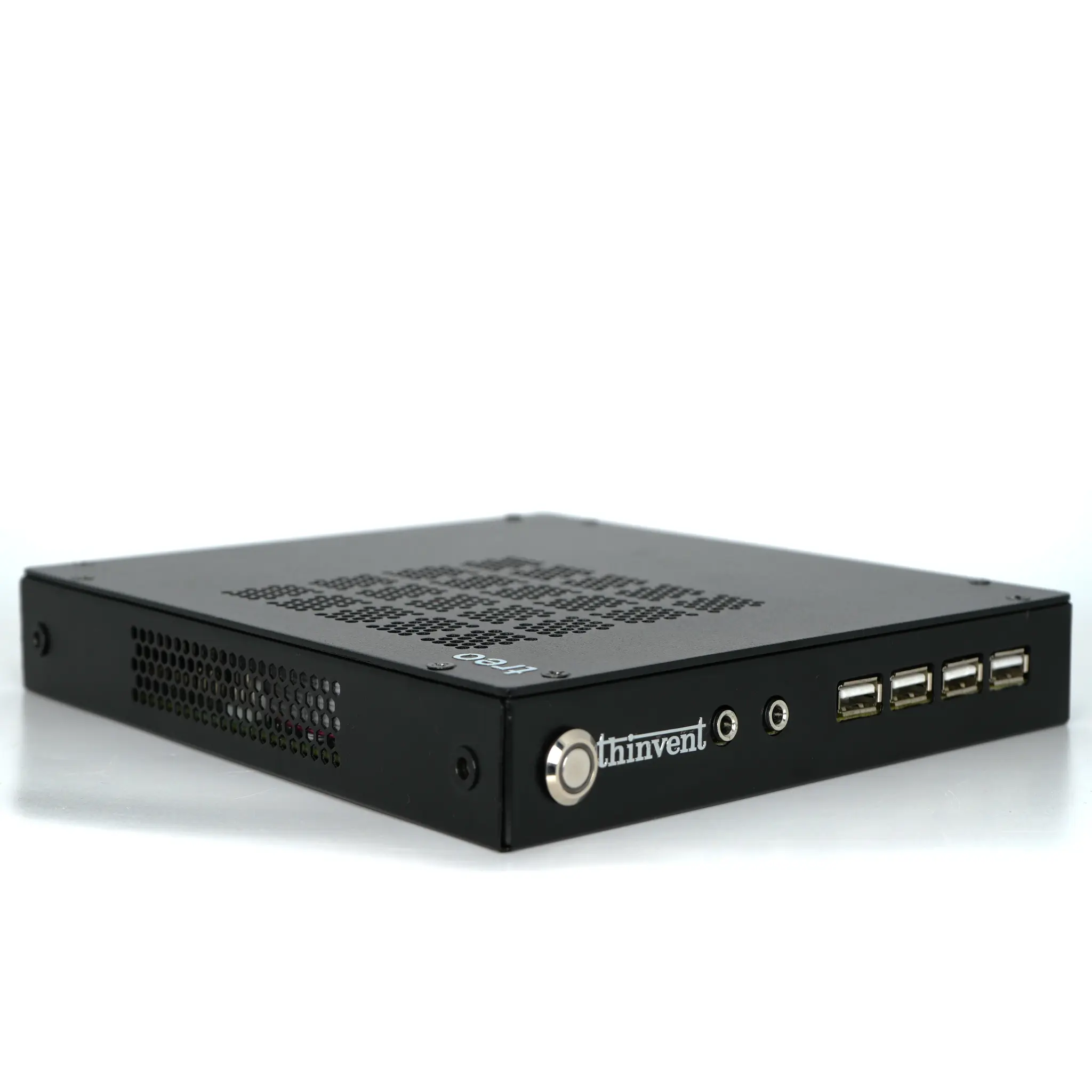
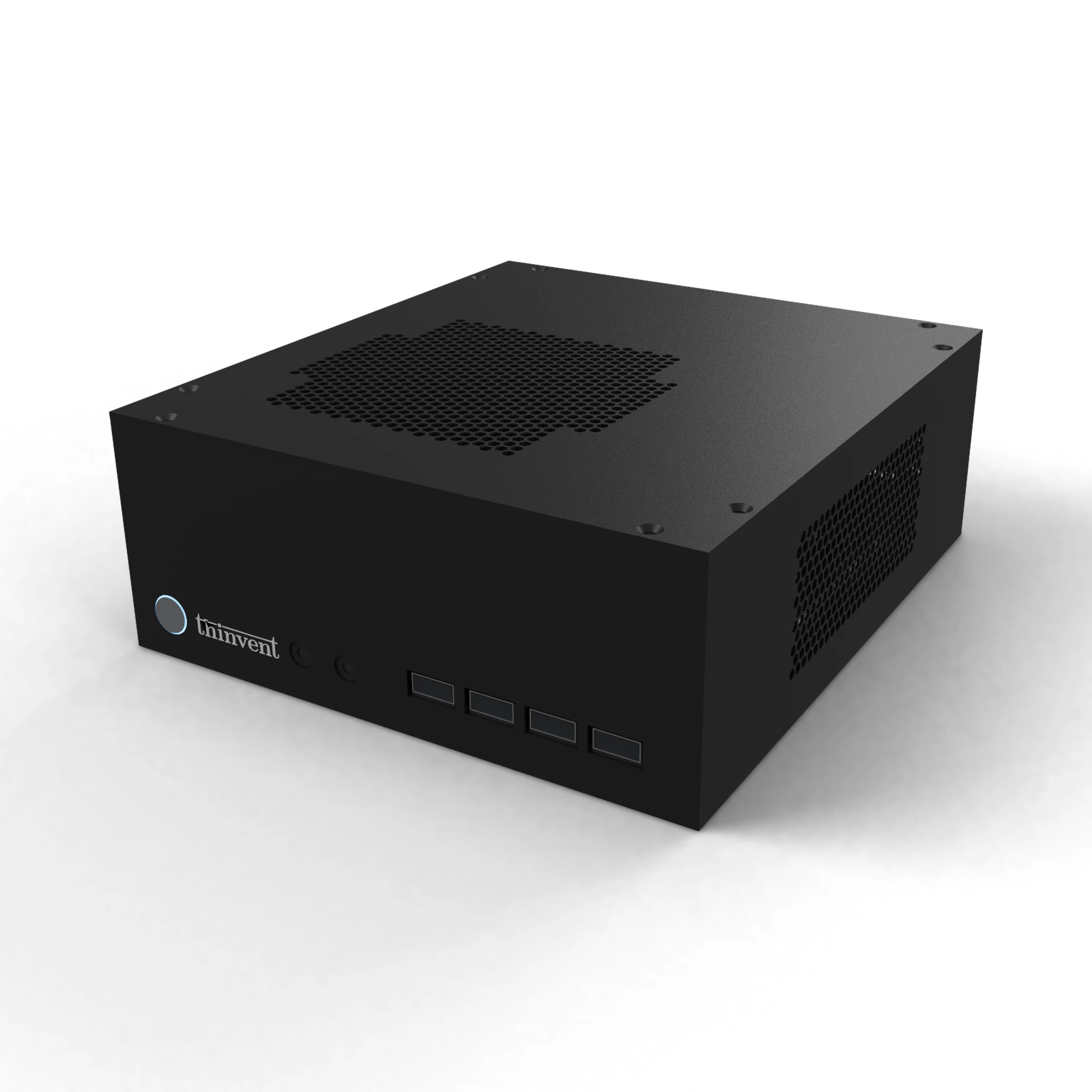
The Radxa Cubie A7S is a compact single-board computer built on the Allwinner A733, with an 8-core ARM CPU, a 3 TOPS NPU, LPDDR5 memory and PCIe NVMe expansion, in a 51 × 51 mm form factor. The closest Thinvent match is the Thinvent Micro 6 Pro Mini PC, which uses an ARM Cortex A55 processor and is also an ARM-based compact system. Both are aimed at small embedded and edge deployments.
Radxa Cubie A7S vs Thinvent Micro 6 Pro Mini PC
| Radxa Cubie A7S | Thinvent Micro 6 Pro Mini PC | |
|---|---|---|
| Processor | Allwinner A733 (ARM) | ARM Cortex A55, Amlogic S905X3 |
| Cores/Threads | 8 cores | 4 cores |
| RAM | Up to 16 GB | 4 GB |
| Storage | Up to 256 GB (per product listing); PCIe NVMe expansion | 32 GB eMMC |
| Form Factor | 51 × 51 mm single-board computer | Mini PC, 102 × 90 × 21 mm, fanless |
| Operating System | Not confirmed | Thinvent Thinux™ Embedded Linux |
| Ethernet Ports | 2 | 1 (100 Mbps) |
| Wireless | Not confirmed | Wi-Fi, dual antenna, dual band |
Key differences
-
The Radxa Cubie A7S has 8 cores against 4 in the Thinvent Micro 6 Pro, and supports up to 16 GB of RAM against 4 GB.
-
The Radxa Cubie A7S has a 3 TOPS NPU for on-device AI inference. The Thinvent Micro 6 Pro does not have an NPU.
-
The Thinvent Micro 6 Pro has a fanless metal housing and Wi-Fi with dual antenna and dual band. The Thinvent Micro 6 Pro has a 1.9 GHz Cortex A55 CPU, which shares its Amlogic S905X3 chip with the Thinvent Micro 6 Pro's design.
-
The Thinvent Micro 6 Pro ships with Thinux™ Embedded Linux, with a browser, RDP, VNC and SSH tools included.
-
We could not confirm the Radxa Cubie A7S's operating system or wireless specification from the provided information.
Which one should you choose?
Choose the Radxa Cubie A7S for edge AI, vision and multi-core workloads that need more RAM and an NPU. Choose the Thinvent Micro 6 Pro Mini PC for a fanless, ready-to-deploy compact system with Thinux™ Embedded Linux and built-in wireless.