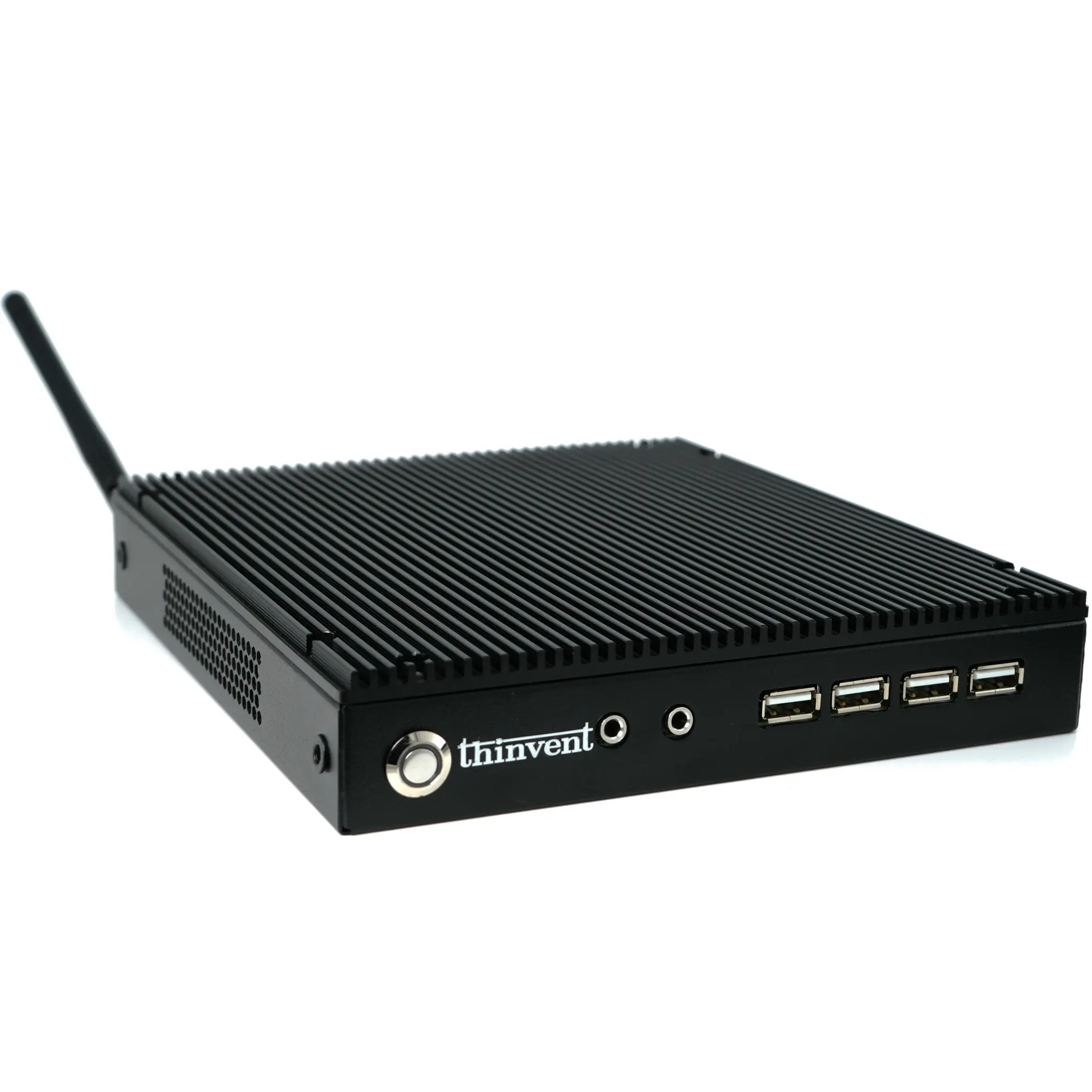
What Are Samsung CPU Computers?
A "Samsung CPU Computer" typically refers to a computing system powered by a processor designed or manufactured by Samsung. While Samsung is a major player in the semiconductor industry, it's important to clarify that their most prominent CPU architectures are based on ARM technology. These processors are renowned for their exceptional power efficiency and integrated graphics performance, making them ideal for specific industrial and commercial applications. They are commonly found in mobile devices, embedded systems, and specialized computing platforms where low heat generation and long-term reliability are critical.
Key Specifications and Technical Details
Samsung's Exynos series of System-on-Chip (SoC) processors are their flagship CPU offerings. These are complex chips that integrate multiple components, including ARM-based CPU cores, a powerful GPU (often ARM Mali), a memory controller, and various connectivity modules. Key technical highlights include:
-
Architecture: ARM-based, offering excellent performance-per-watt ratios.
-
Manufacturing Process: Often built on advanced, power-efficient fabrication nodes (e.g., 5nm, 4nm).
-
Integrated Graphics: Feature capable GPUs suitable for multimedia and light graphical workloads.
-
Connectivity: Typically include integrated support for modern standards like Wi-Fi 6, Bluetooth 5.x, and 5G modems in some variants.
-
Thermal Design: Their inherent efficiency allows for fanless, completely silent operation, which is a significant advantage in dust-sensitive or noise-restricted environments.
Primary Use Cases and Applications
Computers utilizing Samsung (ARM) processors excel in scenarios where traditional x86 PCs might be overkill or unsuitable. Their primary applications include:
-
Digital Signage & Kiosks: Perfect for driving displays in retail, hospitality, and public information systems due to silent operation and low power draw.
-
Thin Clients & VDI Terminals: Their efficiency and capability to run modern operating systems make them excellent endpoints for virtual desktop infrastructure.
-
Embedded IoT Gateways: Serve as hubs for IoT networks, processing data from sensors with minimal energy consumption.
-
Edge Computing Nodes: Process data locally in smart factories, retail analytics, or security systems, reducing latency and bandwidth needs.
-
Light-Duty Office & Productivity: Capable of handling web-based applications, office suites, and media playback for general business use.
Comparison: ARM vs. x86 for Industrial Use
| Feature | Samsung (ARM) Processors | Traditional x86 (Intel/AMD) |
|---|---|---|
| Power Efficiency | Excellent (Designed for mobile) | Varies (Generally higher consumption) |
| Thermal Output | Very Low (Often fanless) | Moderate to High (Often requires active cooling) |
| Software Ecosystem | Linux, Android, Chrome OS, Windows on ARM | Broad (Full Windows, Linux, legacy support) |
| Performance Profile | Optimized for efficiency & integrated tasks | Optimized for high single-thread & complex compute |
| Ideal For | Embedded, signage, thin clients, edge IoT | Workstations, industrial automation, legacy software |
Thinvent Products Featuring ARM Technology
Thinvent offers a range of robust industrial computing solutions that leverage the power efficiency and reliability of ARM-based architectures, similar to Samsung's design philosophy. Our fanless systems are engineered for 24/7 operation in challenging environments. While our current showcased lineup features Intel processors, our product development roadmap includes platforms utilizing advanced ARM SoCs. These future systems will be tailored for applications like ultra-silent digital signage, compact IoT gateways, and secure thin client deployments, providing customers with a wider choice of power-efficient, reliable computing hardware for specialized industrial tasks.