What Are X86 Single Board Computers (SBCs)?
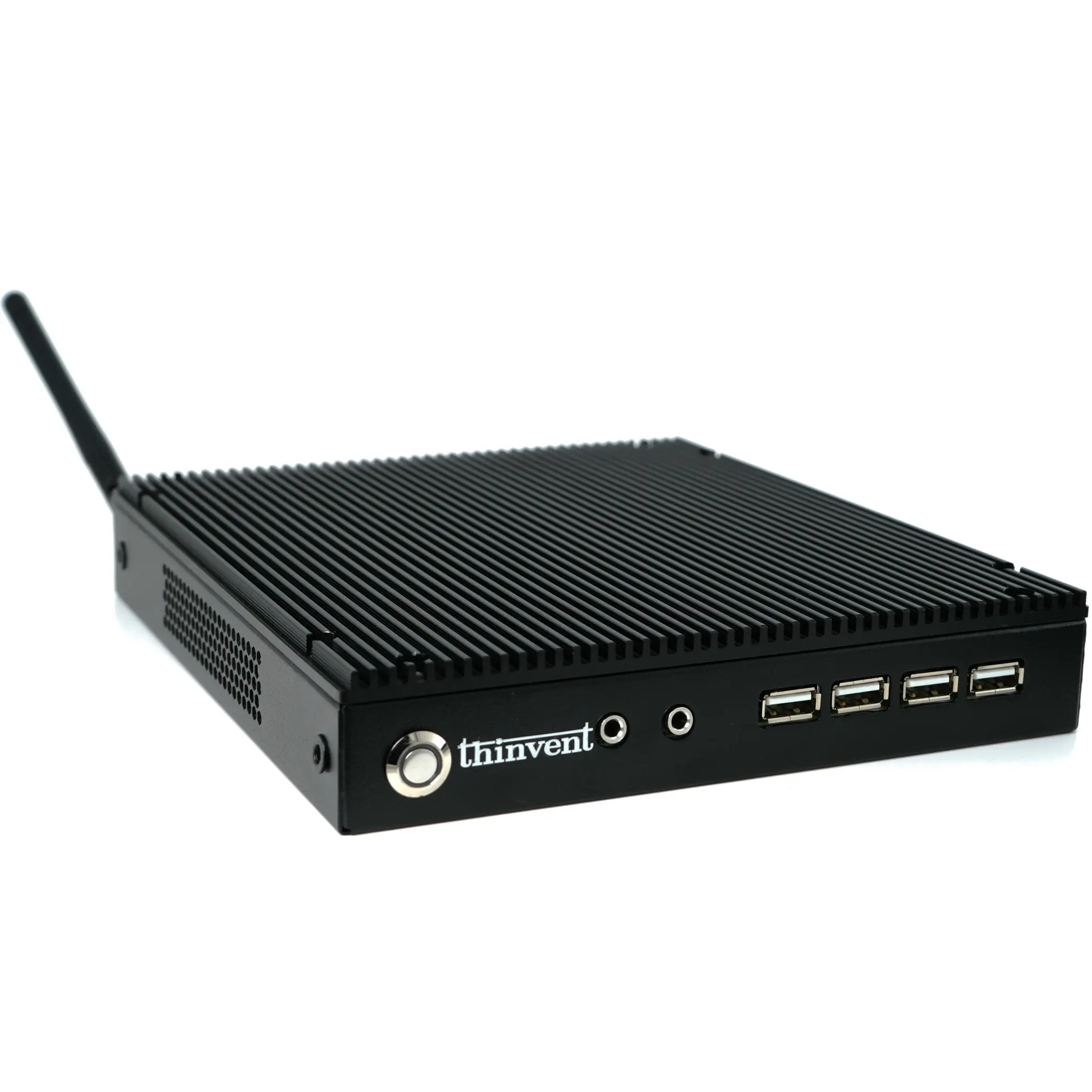
X86 Single Board Computers (SBCs) are compact, integrated computing platforms built around the ubiquitous x86 microprocessor architecture. Unlike traditional PCs with separate motherboards and components, an SBC integrates the CPU, memory, storage, and I/O interfaces onto a single, robust circuit board. This design is engineered for reliability, space efficiency, and deployment in demanding industrial environments where consistent performance, low power consumption, and extended operational life are critical.
Key Specifications and Technical Advantages
Industrial x86 SBCs are defined by their robust specifications tailored for 24/7 operation. They typically feature Intel processors from the efficient N-series (like the N100) up to powerful Core i-series CPUs (i3, i5, and beyond), offering a wide performance spectrum. Key attributes include fanless designs for silent, dust-resistant operation, wide operating temperature ranges, and support for industrial-grade storage (SSDs) and memory (DDR4). They provide rich connectivity through multiple USB ports, Ethernet, HDMI/DisplayPort, and expansion options via interfaces like M.2 or mini-PCIe for adding cellular, WiFi, or specialized industrial I/O modules.
Primary Use Cases and Industrial Applications
The reliability and compact form factor of x86 SBCs make them ideal for embedded and edge computing applications. They serve as the brains for:
-
Digital Signage & Kiosks: Powering interactive displays and self-service terminals in retail, hospitality, and public spaces.
-
Industrial Automation & Control: Acting as controllers for PLCs, HMIs, and machine vision systems on the factory floor.
-
Thin Client & VDI Solutions: Providing secure, managed endpoints for accessing virtualized desktop infrastructures.
-
IoT Gateways: Aggregating and processing data from sensors and devices at the network edge.
-
Transportation & In-Vehicle Computing: Used in fleet management, surveillance, and passenger information systems.
X86 SBCs vs. ARM-Based Alternatives
While both serve embedded roles, key differences guide selection:
| Feature | X86 SBCs (e.g., Intel N100, Core i5) | ARM-Based SBCs (e.g., Cortex-A55) |
|---|---|---|
| Architecture | Complex Instruction Set Computing (CISC) | Reduced Instruction Set Computing (RISC) |
| Software Ecosystem | Broad compatibility with Windows, Linux, and legacy industrial software. | Primarily Linux/Android; excellent for custom embedded OS. |
| Performance Profile | High single-thread performance, ideal for complex applications and x86-native software. | Excellent power efficiency, often fanless, ideal for lightweight, dedicated tasks. |
| Use Case Focus | Applications requiring high compute, PC compatibility, or specific x86 drivers. | Cost-sensitive, ultra-low-power, and thermally constrained deployments. |
Thinvent's Range of Industrial X86 Computing Solutions
Thinvent offers a comprehensive portfolio of industrial-grade computing devices powered by x86 architecture, from compact SBC-inspired designs to full-featured industrial PCs. Our product line scales from the entry-level Thinvent Treo Mini PC and IPC1 Industrial PC with the efficient Intel N100 processor, perfect for digital signage and basic control, up to the high-performance Thinvent Aero Mini PC and IPC5 Industrial PC featuring Intel Core i3, i5, and i7 processors for demanding automation, edge analytics, and virtualization workloads. Every Thinvent device is built for reliability with fanless cooling options, robust metal enclosures, and support for industrial operating systems like Thinux™ Embedded Linux, Ubuntu Linux, and Windows IoT/Pro, ensuring a perfect fit for any industrial application worldwide.