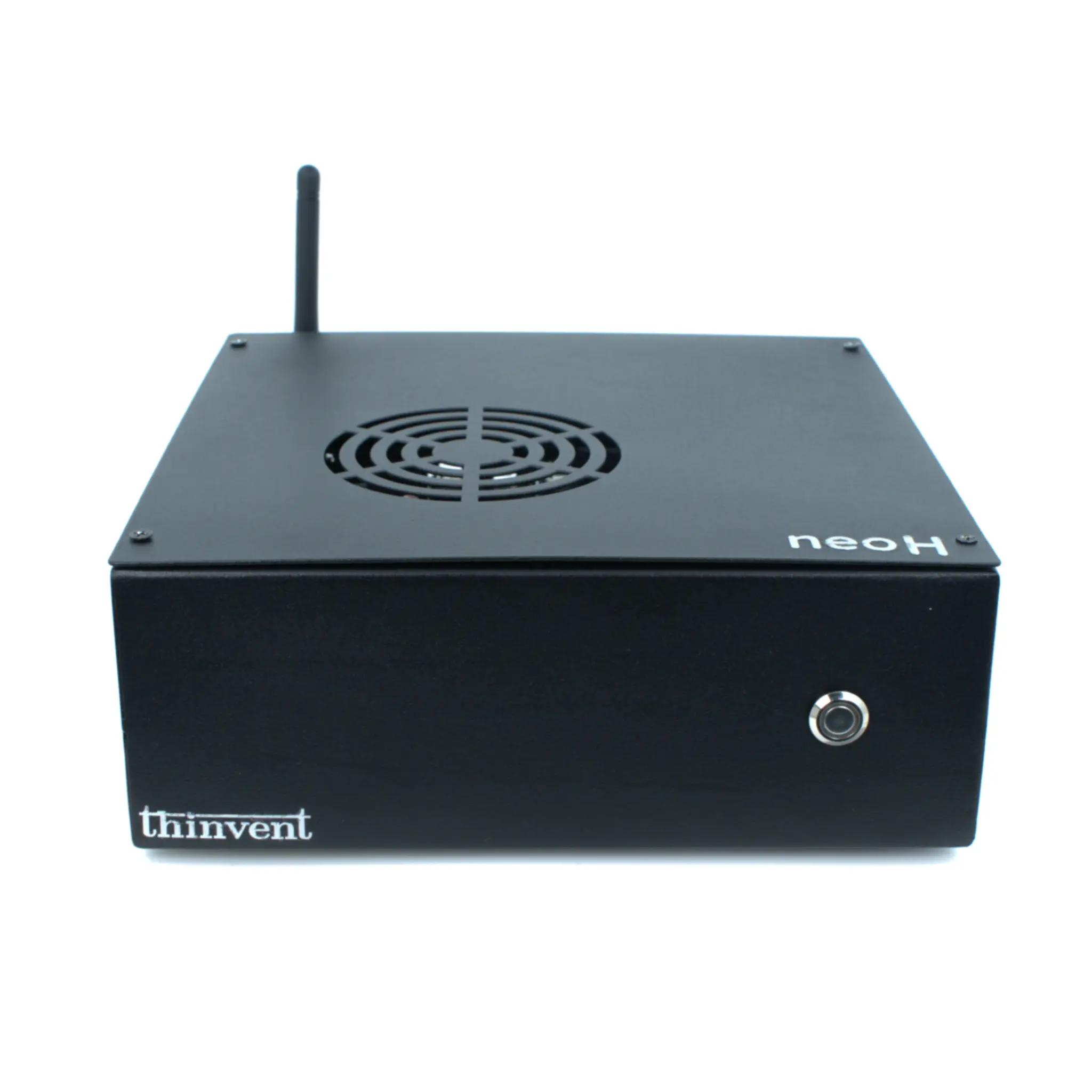
What is an SFF PC?
SFF stands for Small Form Factor, a category of compact desktop computers designed to minimize physical footprint while delivering full computing functionality. Unlike traditional tower PCs, SFF systems prioritize space efficiency, making them ideal for environments where desk or installation space is limited. These systems typically maintain standard PC connectivity and performance but in a significantly reduced chassis size, often using low-power, thermally efficient components to manage heat in a confined space.
Key Specifications and Technical Details
Modern SFF PCs are engineered with specific hardware to balance performance, power consumption, and thermal management. Common features include:
-
Form Factors: Typically Mini PC or compact Industrial PC designs.
-
Processors: Utilize efficient, low-TDP (Thermal Design Power) CPUs from Intel's N-series (e.g., N100, N95) or U-series mobile processors. These provide adequate performance for everyday tasks without generating excessive heat.
-
Cooling: Often employ fanless or ultra-quiet active cooling solutions for silent operation, crucial for office and digital signage environments.
-
Memory & Storage: Support standard SO-DIMM RAM (e.g., 8GB, 16GB) and M.2 NVMe or 2.5" SATA SSDs (128GB to 1TB), offering fast boot times and application loading.
-
Connectivity: Equipped with multiple USB ports (including USB-C), HDMI/DisplayPort outputs for multi-monitor setups, and Gigabit Ethernet for reliable wired networking.
Use Cases and Applications
The compact nature of SFF PCs makes them exceptionally versatile across numerous industries:
-
Digital Signage & Kiosks: Easily mounted behind displays or in tight enclosures for retail, hospitality, and corporate lobbies.
-
Office & Workspace Computing: Provides a clutter-free desk setup for general office productivity, web browsing, and communication software.
-
Industrial Automation: Serves as a control unit or HMI (Human-Machine Interface) in manufacturing settings where space in control panels is constrained.
-
Thin Client & VDI Endpoints: Ideal for virtual desktop infrastructure, offering a low-maintenance, centralized computing model.
-
Home Entertainment: Functions as a compact media center or home theater PC (HTPC) connected to a TV.
Comparison of Common SFF Processor Types
| Processor Series | Typical Cores/Threads | Use Case Focus | Key Advantage |
|---|---|---|---|
| Intel N-series (e.g., N100) | 4 cores / 4 threads | Basic Computing, Digital Signage, Thin Clients | Exceptional power efficiency, fanless design capability, low cost. |
| Intel Celeron / Pentium | 2-4 cores / 2-4 threads | Entry-level Office, Point-of-Sale | Reliable performance for light tasks, good value. |
| Intel Core i3/i5 U-series | 6-10 cores / 8-12 threads | General Office, Light Creative Work, Advanced Kiosks | Stronger multi-threaded performance for more demanding applications. |
Thinvent's SFF Computing Solutions
Thinvent offers a robust range of Small Form Factor PCs designed for reliability and performance in constrained spaces. Our Aero Mini PC series exemplifies this category, featuring efficient Intel processors like the N100 in an ultra-compact, fanless chassis. These systems are built for 24/7 operation and come configured with various memory, storage, and operating system options—including Windows 11 Pro, IoT, Ubuntu Linux, and our own Thinux™ Embedded Linux—to suit diverse application needs. From digital signage and office workstations to industrial edge computing, Thinvent's SFF solutions provide a powerful, space-saving computing foundation.