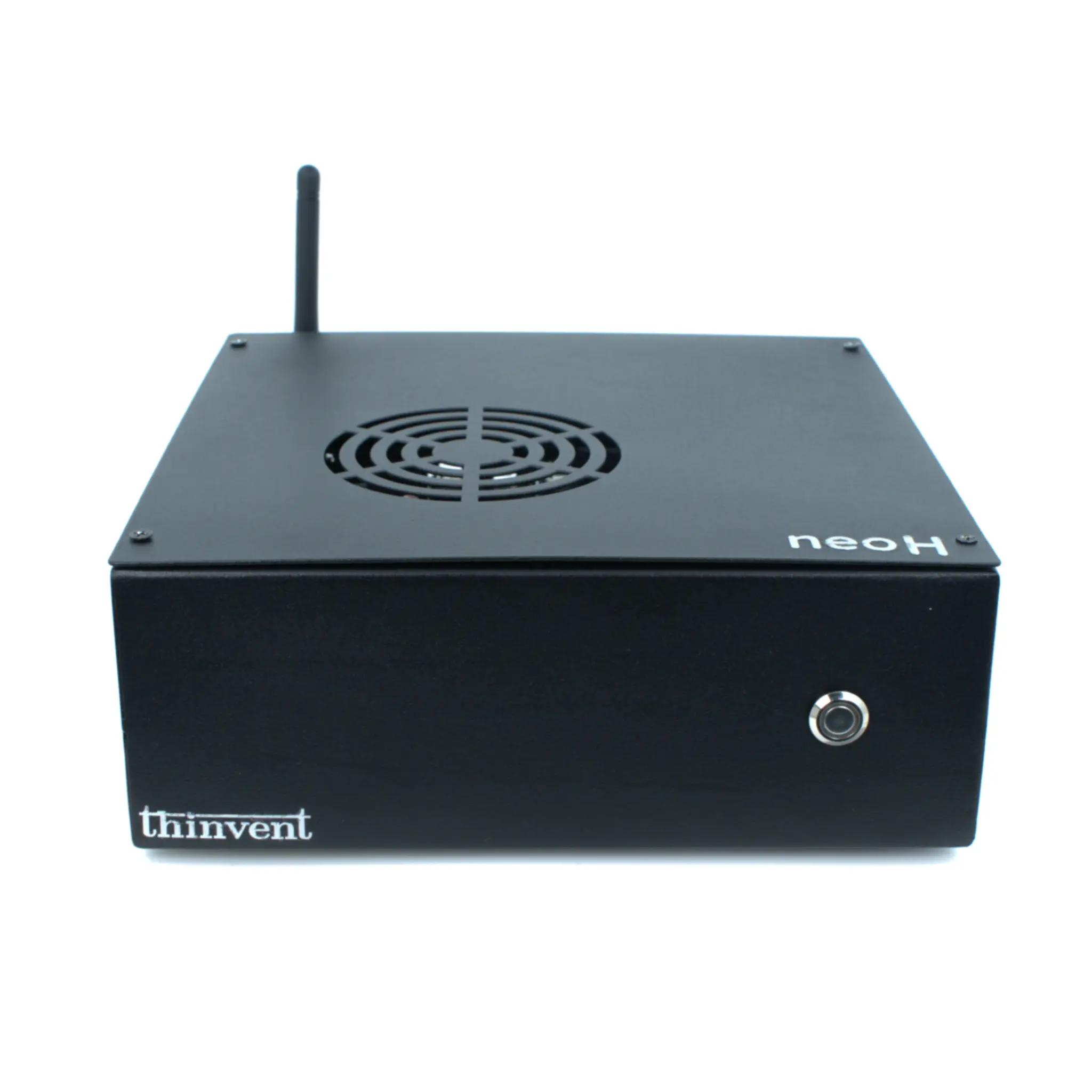
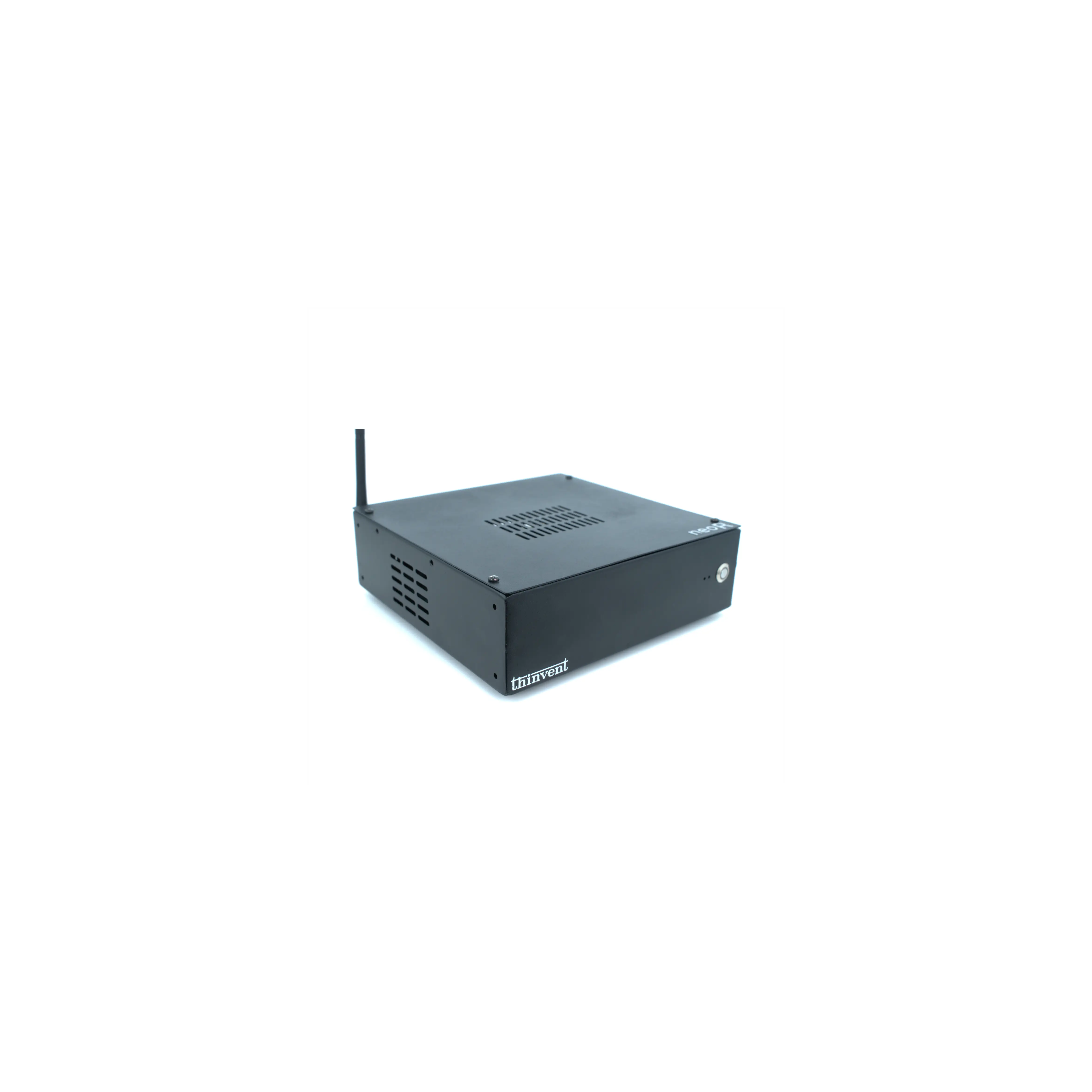
What is a Fanless PC?
A fanless PC is a computer system designed to operate without any internal moving cooling fans. Instead, it relies on passive cooling techniques, such as advanced heat sinks and thermally conductive chassis designs, to dissipate heat. This fundamental design choice eliminates common points of failure associated with fans, such as dust accumulation, bearing wear, and motor burnout, resulting in a significantly more reliable and durable computing solution.
Key Specifications and Technical Advantages
The core of a modern fanless PC is typically a low-power, high-efficiency processor, such as the Intel® N-series. These CPUs are engineered for a balance of performance and minimal thermal design power (TDP), making them ideal for silent, fanless operation. Key specifications include:
-
Processor: Efficient multi-core CPUs (e.g., 4-core Intel N100) with integrated graphics.
-
Memory: Standard DDR4 or DDR5 RAM, typically ranging from 8GB to 16GB for robust multitasking.
-
Storage: Fast solid-state drives (SSDs) for quick boot times and data access.
-
Connectivity: Multiple USB ports (including USB 3.2), HDMI/DisplayPort outputs, and Gigabit Ethernet for network reliability.
-
Power: Low-voltage DC input (e.g., 12V), enabling flexible deployment and often compatibility with Power-over-Ethernet (PoE) options.
The absence of fans allows for a completely sealed chassis, providing an ingress protection (IP) rating against dust and liquids. This makes the systems impervious to harsh environmental contaminants.
Primary Use Cases and Applications
Fanless PCs are indispensable in environments where reliability, silence, and environmental ruggedness are paramount. Common applications include:
-
Industrial Automation: Controlling machinery on factory floors where dust, vibrations, and extreme temperatures are present.
-
Digital Signage & Kiosks: Powering displays in public spaces, retail stores, and transportation hubs, where silent operation and 24/7 reliability are required.
-
Thin Clients & VDI: Serving as durable endpoints for virtual desktop infrastructure in offices, hospitals, and call centers.
-
Edge Computing & IoT Gateways: Collecting and processing data at the network edge in smart cities, agriculture, and energy sectors.
-
Medical & Laboratory Equipment: Integrating into diagnostic devices where fan noise and airborne particles must be eliminated.
Comparison: Fanless vs. Traditional Fan-Cooled PCs
| Feature | Fanless Industrial PC | Traditional Fan-Cooled PC |
|---|---|---|
| Cooling Method | Passive (Heat Sinks/Chassis) | Active (Fans) |
| Noise Level | Silent (0 dB) | Audible (30-50 dB) |
| Dust & Debris | Sealed, Highly Resistant | Vents allow ingress, requires cleaning |
| Mechanical Failure | No moving parts to fail | Fans are a common point of failure |
| Operating Temp Range | Wider (e.g., -20°C to 70°C) | Narrower (standard office environment) |
| Maintenance | Minimal to none | Regular fan and vent cleaning required |
| Ideal For | Harsh, silent, 24/7 environments | Standard office/desktop computing |
Thinvent Fanless Computing Solutions
Thinvent specializes in robust, fanless industrial computers built for demanding global applications. Our product range includes compact Mini PCs and Industrial PCs that leverage efficient Intel processors, like the N-series, to deliver reliable performance without compromise. For example, our Aero Mini PC series features the Intel N100 processor, up to 16GB RAM, and SSD storage, packaged in a silent, fanless metal chassis. These systems are pre-configured with your choice of operating system—including Windows 11, Ubuntu Linux, or our lightweight Thinux™ platform—making them ready to deploy for digital signage, automation, or as thin clients. Engineered for longevity and stability, Thinvent fanless PCs are the trusted core for critical computing tasks worldwide.