Understanding Thin Clients with Windows 10
A thin client with Windows 10 is a compact, secure, and energy-efficient endpoint device that runs a full, local installation of Microsoft Windows 10 (or the newer Windows 11) to connect to centralized resources. Unlike traditional PCs, these devices are designed for managed environments where the primary workload and data reside on servers or in the cloud. They provide the familiar Windows interface while offering superior security, easier IT management, and lower total cost of ownership due to reduced hardware complexity and power consumption.
Key Specifications & Technical Details: Modern thin clients, like those from Thinvent, are built with specific hardware optimized for connectivity and reliability rather than raw local processing power. Common specifications include:
-
Processors: Low-power, efficient Intel processors (e.g., Celeron J-series, Intel N-series) with integrated graphics.
-
Memory: Typically 4GB to 16GB of DDR4 RAM, sufficient for the OS and remote session workloads.
-
Storage: Small-capacity, reliable SSDs (32GB to 256GB are common) or MLC SSDs for the OS and local caching.
-
Connectivity: Multiple USB ports, Ethernet, and often Dual-Band WiFi for network access.
-
Power: Uses external adapters (e.g., 12V/19V) with very low power draw, often under 20W.
-
OS: Runs Windows 10/11 IoT Enterprise or Pro editions, optimized for long-term stability and remote management.
Primary Use Cases and Applications: Thin clients with Windows are ideal for any scenario requiring standardized, secure, and easily managed workspaces.
-
Virtual Desktop Infrastructure (VDI): Accessing virtual desktops from Citrix, VMware, or Microsoft Remote Desktop Services.
-
Task-Based Workstations: For call centers, banking terminals, retail POS systems, and digital signage.
-
Healthcare & Industrial Settings: Where data security is paramount and devices need to be locked down to run specific applications.
-
Remote & Branch Offices: Enabling secure access to corporate resources without deploying full PCs.
Windows 10 IoT vs. Pro for Thin Clients: For enterprise deployments, the choice of OS is critical. Here’s a brief comparison:
| Feature | Windows 10/11 IoT Enterprise | Windows 10/11 Pro |
|---|---|---|
| Primary Purpose | Fixed-function devices, long-term service stability | General-purpose use with more flexibility |
| Update Control | 10-year lifecycle, update control via servicing channels | Standard update cycle, less IT control |
| Lockdown Features | Enhanced write filters, unified write filters, shell launchers | Standard Group Policy management |
| Licensing | Often embedded with device, per-device | Traditional user/device licensing |
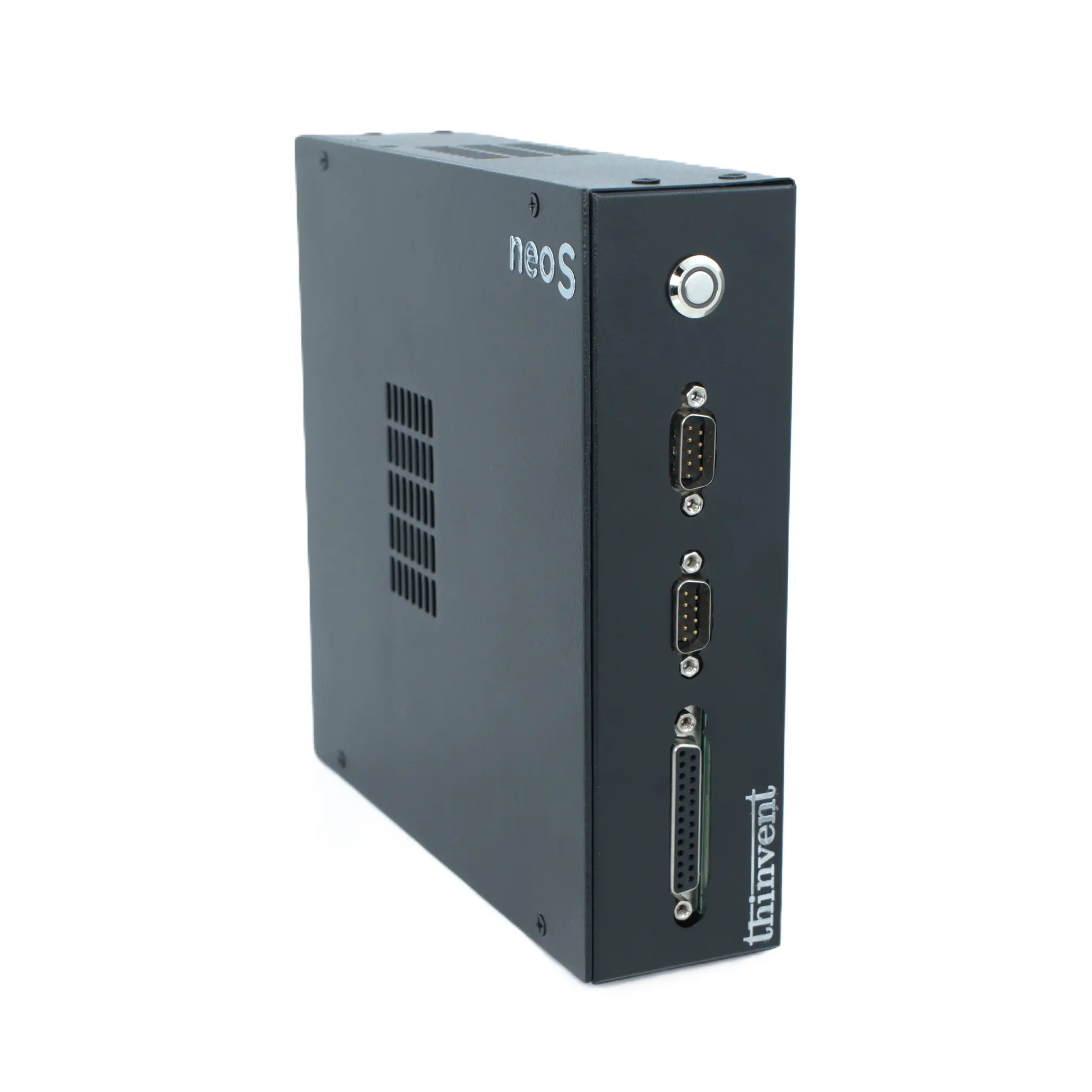
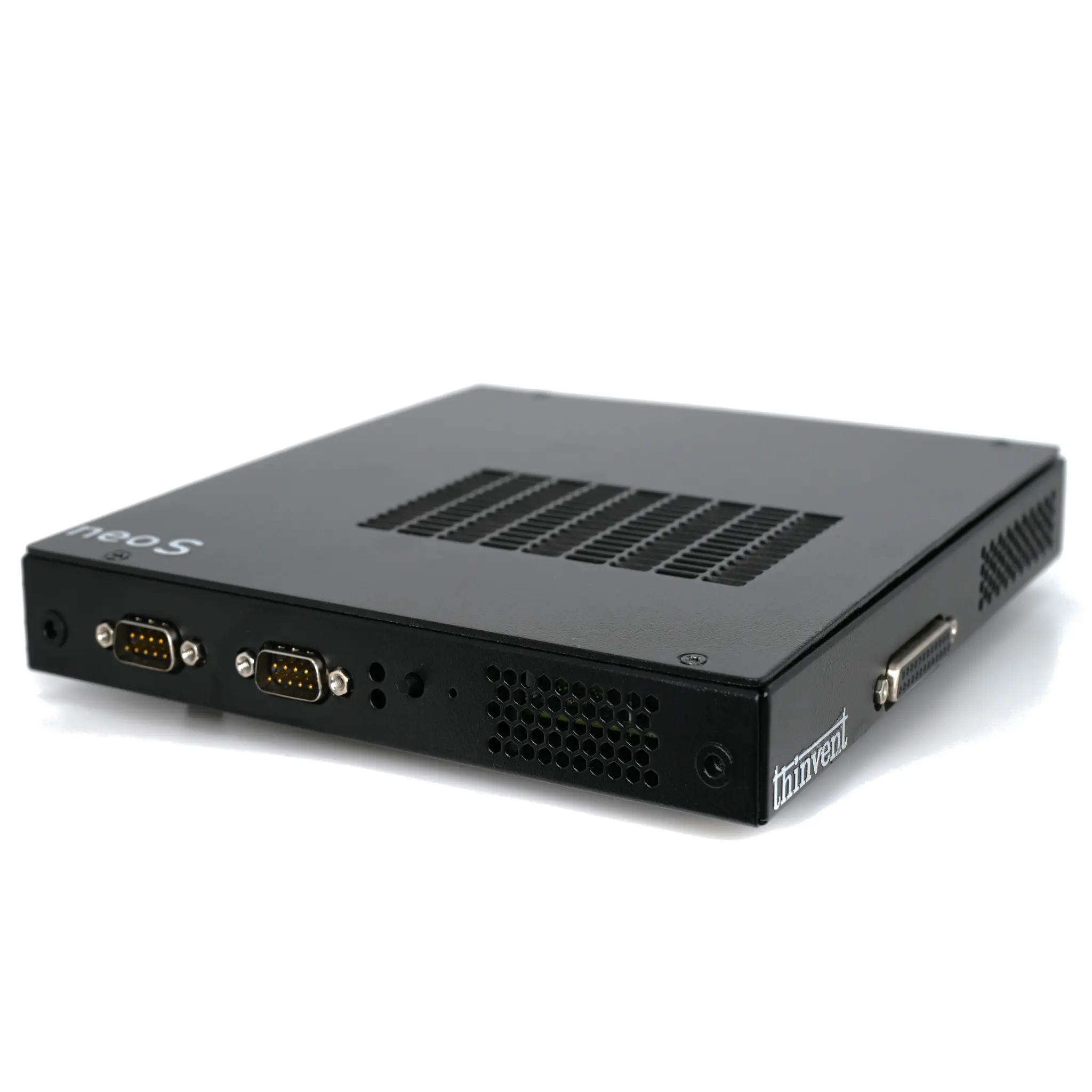
Thinvent's Neo S Thin Client Range with Windows
Thinvent's Neo S series exemplifies modern thin client design, offering a versatile range of configurations to meet diverse global enterprise needs. Built with reliable Indian manufacturing, these devices provide global customers with robust options featuring either the efficient Intel® Celeron J4125 or the more recent and powerful Intel® Processor N100. This allows customers to select the perfect balance of performance and power efficiency for their specific use case.
The series offers extensive customization in memory (from 4GB to a substantial 64GB DDR4), storage types (including standard SSD, MLC SSD, and dual SSD setups), and connectivity options (with or without Dual-Band WiFi). Crucially, each model can be configured with either Windows 11 Pro for flexible general-purpose use or Windows 11 IoT for locked-down, long-term service scenarios, ensuring seamless integration into any existing Windows-based IT infrastructure. This modular approach ensures that whether you need a simple terminal for VDI access or a more capable endpoint for local processing, Thinvent has a reliable, professionally-managed solution.