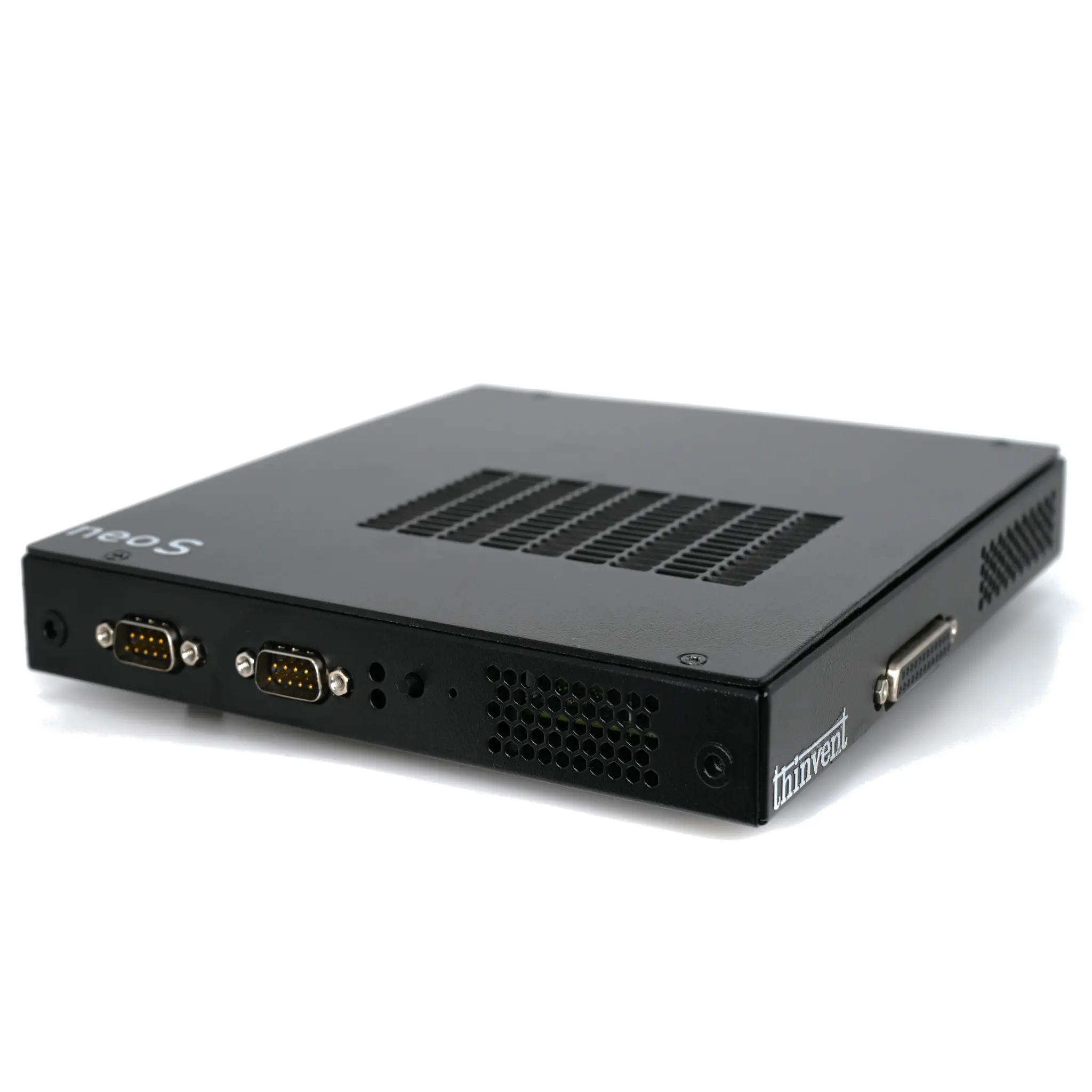
What Are Fanless Thin Clients for pfSense?
Fanless thin clients are compact, energy-efficient computing devices designed to run specialized firewall and routing software like pfSense. Unlike traditional PCs with cooling fans, these devices use passive cooling, making them completely silent, more reliable due to fewer moving parts, and ideal for deployment in dust-sensitive or noise-restricted environments. When configured as a dedicated pfSense appliance, a thin client provides robust network security, traffic management, and VPN services for small to medium-sized businesses, branch offices, or home labs.
Key Specifications and Technical Advantages
The ideal fanless thin client for pfSense features a modern, low-power Intel processor (like the quad-core N100), sufficient RAM (8GB or more), and reliable solid-state storage. The fanless design ensures 24/7 operation without overheating. Key technical advantages include:
-
Low Power Consumption: Typically uses under 15W, reducing electricity costs.
-
Multiple Ethernet Ports: Many models offer dual or more Gigabit Ethernet ports, which are essential for segregating WAN and LAN traffic in a firewall setup.
-
Compact Form Factor: A small footprint allows for flexible placement (e.g., on a shelf, in a network rack, or wall-mounted).
-
Hardware Reliability: Solid-state components and no fans minimize points of failure, leading to higher uptime.
Use Cases and Applications
Fanless thin clients running pfSense are versatile solutions for various networking scenarios:
-
Office Network Security: Acting as the primary firewall and router, protecting the internal network from external threats.
-
Branch Office Connectivity: Managing secure site-to-site VPN tunnels between a main office and remote locations.
-
Guest Wi-Fi Segmentation: Isolating guest network traffic from the main corporate network for enhanced security.
-
Home Lab & Prosumer Use: Providing advanced networking features like VLANs, traffic shaping, and ad-blocking for tech enthusiasts.
-
IoT Network Isolation: Creating a separate, firewalled network for Internet of Things devices.
Comparison: Thin Client vs. Traditional Hardware for pfSense
| Feature | Fanless Thin Client | Traditional Desktop/Server |
|---|---|---|
| Form Factor & Noise | Compact, silent (fanless) | Larger, often noisy with fans |
| Power Efficiency | Very high (10-15W typical) | Lower (50W+ common) |
| Hardware Reliability | Higher (no moving parts) | Lower (fans & HDDs can fail) |
| Deployment Flexibility | High (fits anywhere) | Limited by size and noise |
| Cost of Ownership | Lower (energy & maintenance) | Higher over time |
| Performance for pfSense | Excellent for SMB/typical use | Can be overkill, but scalable |
Thinvent Fanless Thin Clients for pfSense
Thinvent offers a range of robust, fanless thin clients perfectly suited for transforming into a dedicated pfSense firewall. Devices like the Thinvent Neo S Thin Client are engineered for this task, featuring the efficient Intel N100 processor, up to 16GB of DDR4 RAM, and fast SSD storage. Their completely silent operation and compact design make them an excellent choice for any environment. Thinvent provides these systems with a choice of operating systems—including DOS, Linux (Ubuntu or Thinux™), or Windows—allowing you to install and configure pfSense on a clean, optimized platform. With multiple configuration options and reliable hardware, Thinvent's fanless thin clients deliver a professional, dependable foundation for your network security infrastructure.