What Are the Generations of Computers?
The generations of computers are five stages in the history of computing. Each stage is defined by a major change in the core hardware technology. The stages run from the first generation of vacuum tube machines to the fifth generation of artificial intelligence-enabled systems.
The Five Generations
| Generation | Core Technology | Key Characteristics |
|---|---|---|
| First (1940-1956) | Vacuum tubes | Large, bulky, used for calculation, storage and control, consumed a lot of electricity |
| Second (1956-1963) | Transistors | Smaller, faster and cheaper than vacuum tube machines |
| Third (from the mid-1960s) | Integrated circuits (ICs) | Smaller and faster again than second-generation computers |
| Fourth | Microprocessors (VLSI) | Fit on a desk, made the laptop possible |
| Fifth | Artificial intelligence (ULSI) | AI-enabled systems, such as IBM's Watson |
First-generation computers used vacuum tubes. They filled a full room and consumed a large amount of power. Second-generation computers replaced vacuum tubes with transistors, which made machines smaller, faster and cheaper to build. Third-generation computers used integrated circuits, which reduced size further and increased speed. Fourth-generation computers used the microprocessor, or CPU, which allowed computers to fit on a desk. Fifth-generation computers use artificial intelligence, and most sources still place current computers in this stage.
Use Cases Across the Generations
Each generation expanded the range of work that computers could do. Early machines handled calculation, storage and control tasks. Later machines supported personal computing, portable laptops and AI applications. Today, compact computing hardware is used in industrial control, retail, offices and digital signage.
Thinvent Products Built on Modern Processor Technology
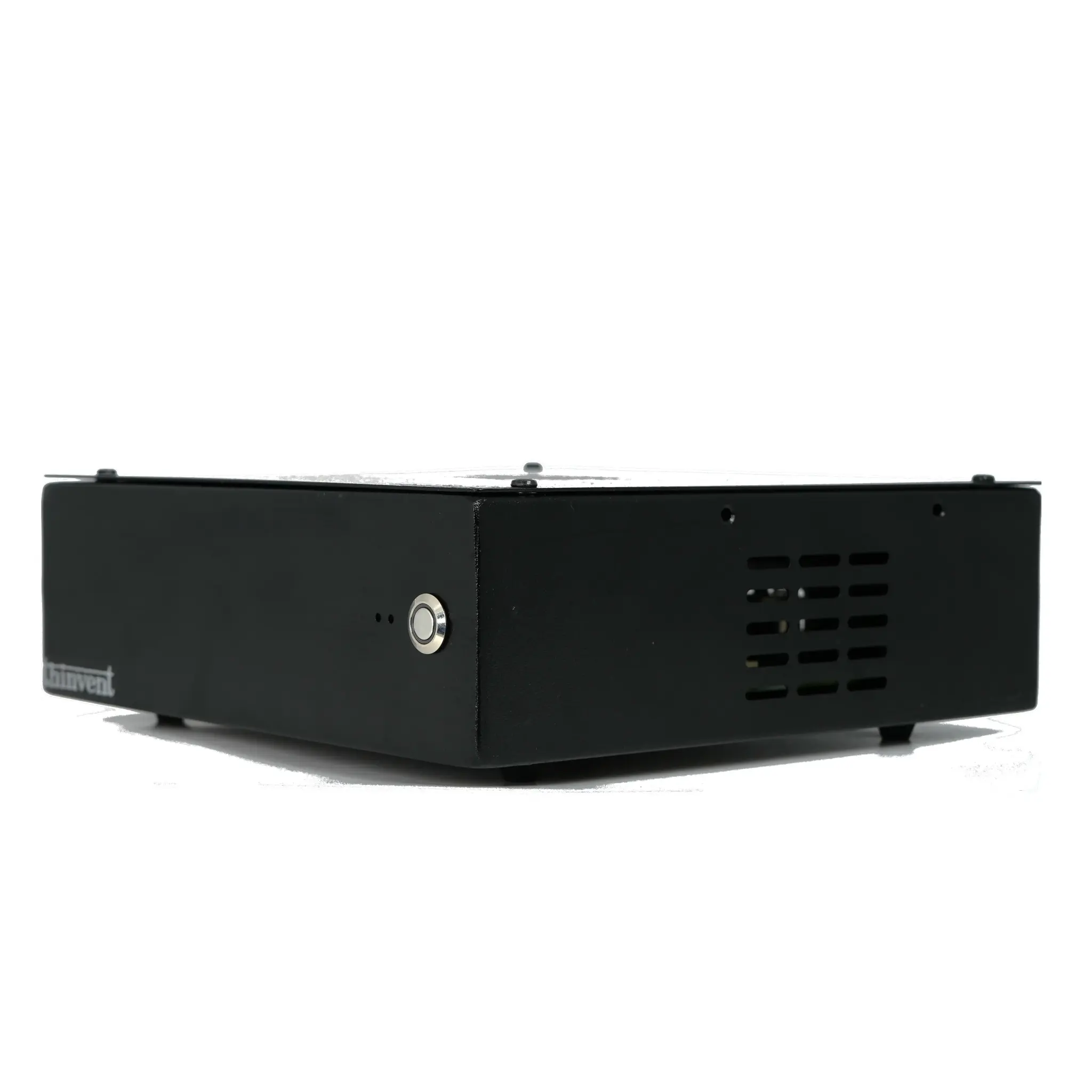
The Thinvent® Neo S Thin Client uses the Intel® processor J1900, a 7th generation Celeron processor with 4 cores, up to 2.4 GHz and 2 MB cache. The Neo S range has 4 GB or 8 GB DDR3 RAM and 32 GB, 128 GB or 256 GB SSD storage. Operating system options include Ubuntu Linux, Windows 11 Pro, Windows 11 Professional, DOS, or no operating system. Each model has no WiFi. The Thinvent® Neo S Thin Client range shows how a compact 7th generation processor can serve a thin client role in modern deployments.