What is a Wi-Fi Device in Industrial Computing?
A Wi-Fi device in the context of industrial computing refers to a rugged computer system equipped with integrated wireless networking capabilities. These devices are engineered to provide reliable, cable-free connectivity in environments where wired Ethernet is impractical or too costly to install. They are not standard consumer gadgets but robust machines built to withstand harsh conditions like extreme temperatures, dust, and vibration while maintaining a stable wireless connection.
Key Specifications and Technical Details
Industrial Wi-Fi computers feature specific components to ensure reliable operation. They typically include:
-
Dual-Band Wi-Fi Adapters: Support for both 2.4 GHz and 5 GHz bands, with standards like Wi-Fi 5 (802.11ac) or Wi-Fi 6 (802.11ax) for better speed, range, and network efficiency.
-
Rugged Design: Fanless cooling systems, wide operating temperature ranges, and durable enclosures protect internal components.
-
Industrial-Grade Processors: Low-power, high-efficiency CPUs from Intel's Celeron, N-series, or Core families ensure stable performance with minimal heat.
-
Secure Connectivity: Support for advanced wireless security protocols (WPA3) and often feature TPM chips for enhanced data protection.
-
Flexible I/O: Alongside Wi-Fi, they include multiple Ethernet ports, USB, serial ports (RS-232/485), and display outputs for comprehensive integration.
Use Cases and Applications
Wi-Fi-enabled industrial PCs are critical for modern automation and data acquisition systems. Common applications include:
-
Mobile & Remote Monitoring: Deploying computers on AGVs (Automated Guided Vehicles), forklifts, or remote kiosks where constant wired connection is impossible.
-
Factory Floor Connectivity: Connecting machines, HMIs (Human-Machine Interfaces), and sensors in dynamic layouts where cabling is a constraint.
-
Digital Signage & Kiosks: In retail, transportation hubs, or public spaces for easy content updates and management over the network.
-
IoT Gateways: Acting as a local hub to collect data from wireless sensors and devices before transmitting it to a central server or cloud.
Comparison: Wi-Fi vs. Wired-Only Industrial PCs
| Feature | Wi-Fi Industrial PC | Wired-Only Industrial PC |
|---|---|---|
| Primary Connectivity | Integrated Wireless (Wi-Fi) + Wired Ethernet | Wired Ethernet Only |
| Installation Flexibility | High - Ideal for mobile or hard-to-wire locations | Low - Requires physical cable runs |
| Deployment Speed | Faster, less infrastructure-dependent | Slower, requires cabling setup |
| Network Redundancy | Can use Wi-Fi as a backup to wired connection | Relies solely on physical cable integrity |
| Typical Use Case | Mobile equipment, temporary setups, retrofit projects | Fixed stations, control cabinets, high-bandwidth static nodes |
Thinvent's Wi-Fi Enabled Industrial Solutions
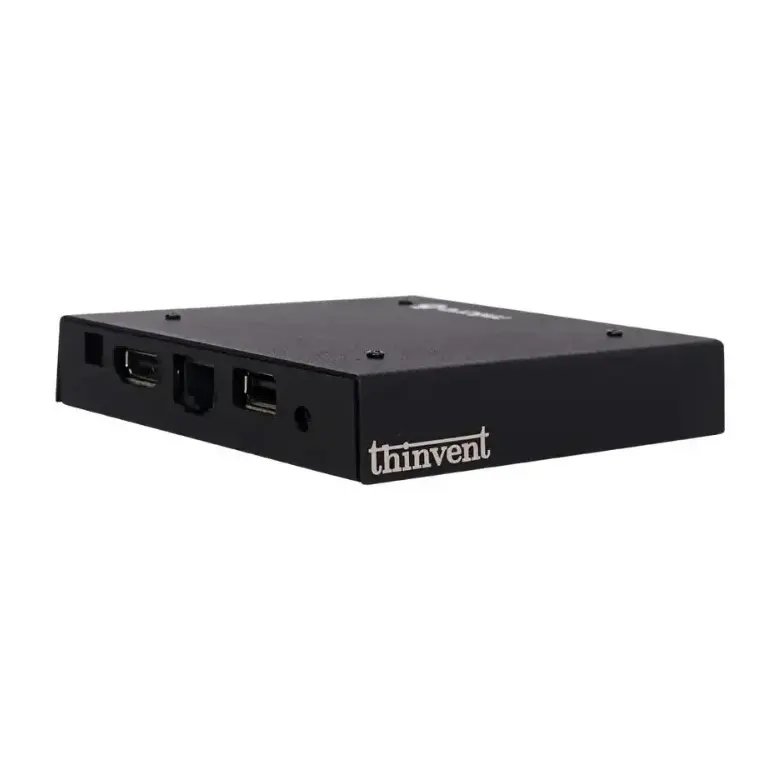
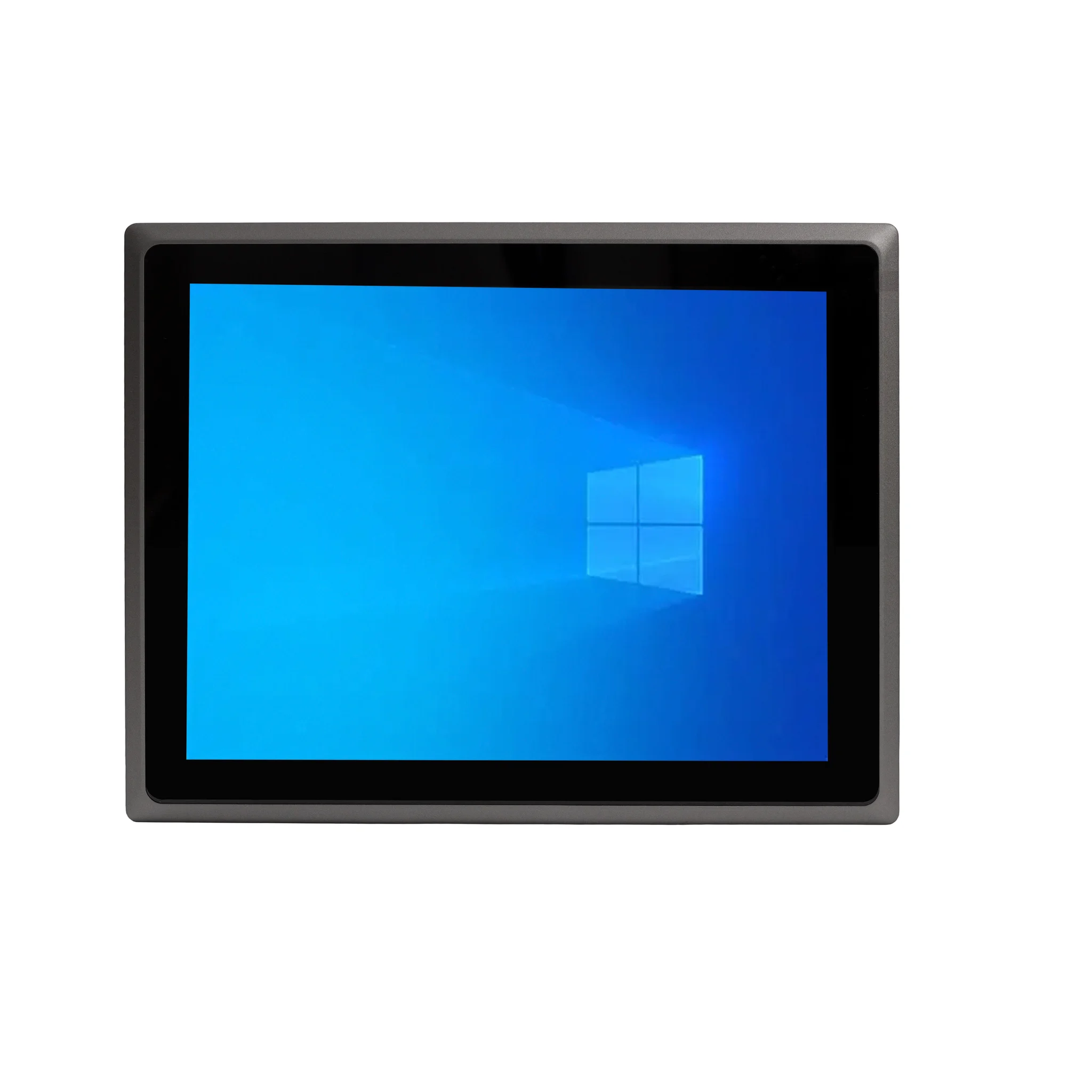
Thinvent offers a range of robust computing solutions designed with reliable connectivity in mind. While many of our industrial computers come equipped with Gigabit Ethernet as standard, we understand the growing need for wireless flexibility. Our product engineers can integrate certified industrial-grade Wi-Fi modules into various form factors—including our fanless Mini PCs, Panel PCs, and Box PCs—based on specific project requirements. This allows for tailored solutions that combine the rugged reliability Thinvent is known for with the deployment freedom of wireless networking, perfect for modern industrial IoT and automation challenges.