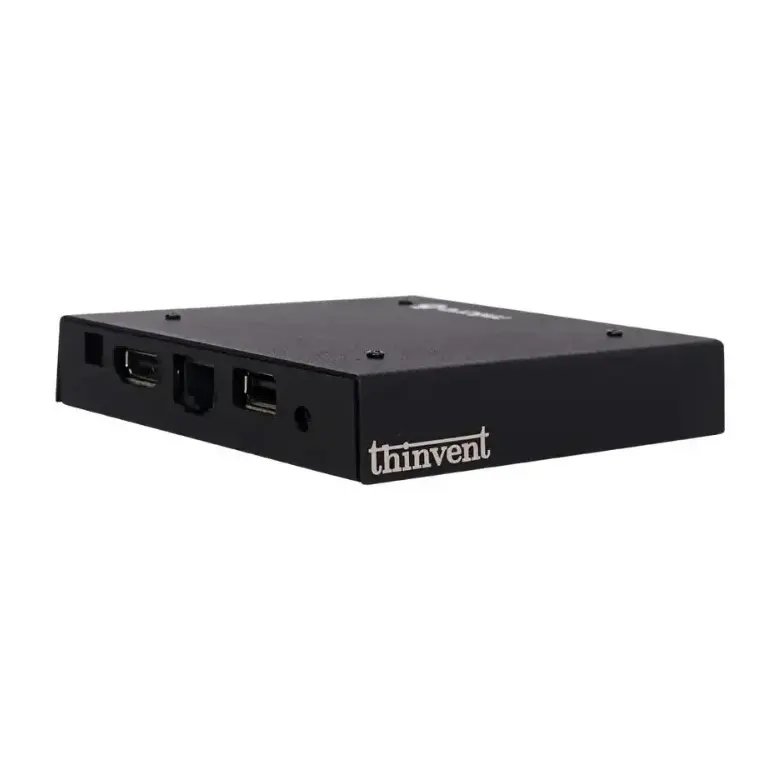
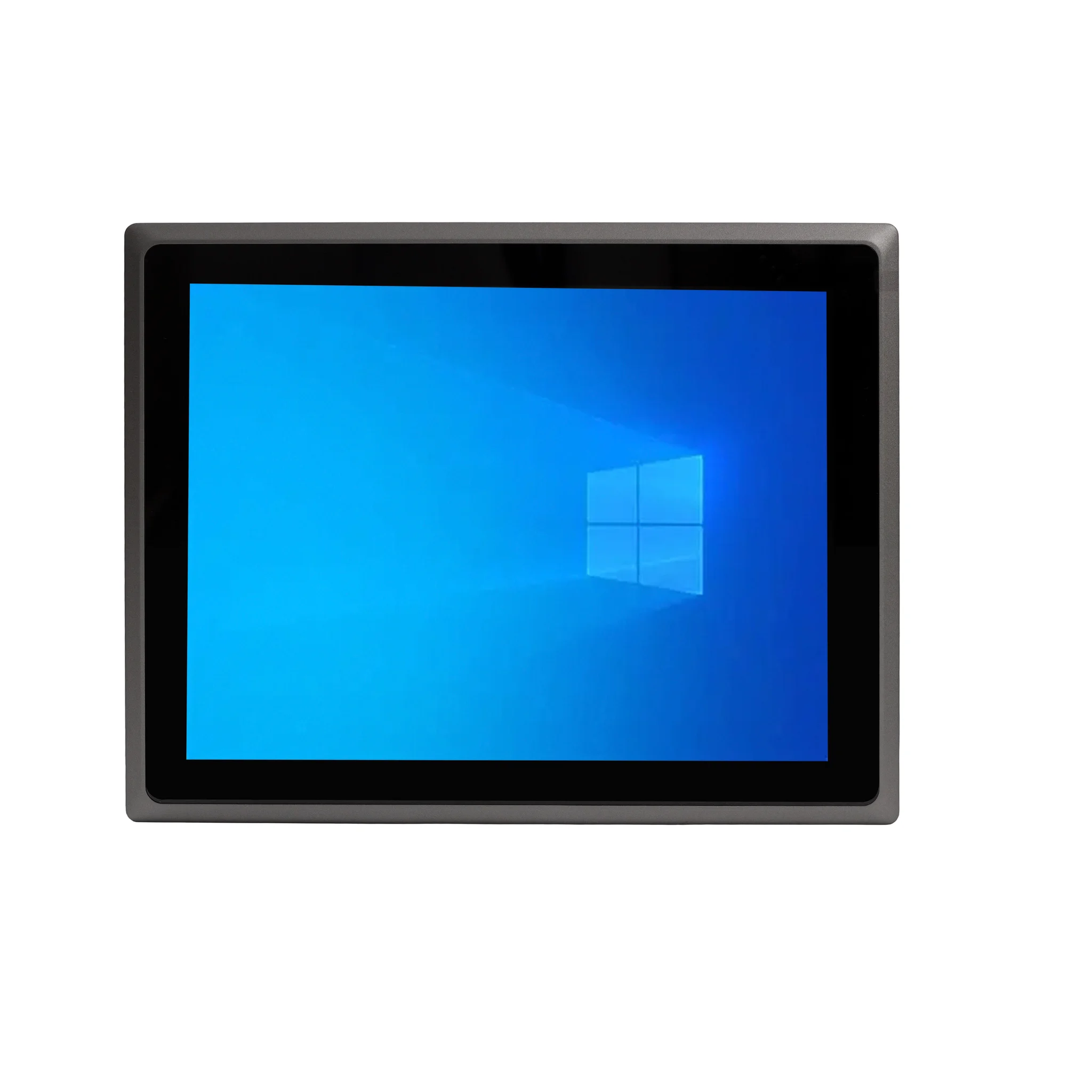
What is a WiFi desktop PC?
A WiFi desktop PC is a compact or industrial computer with built-in wireless networking. Each product on this page includes a Dual Band WiFi module, so the computer connects to 2.4 GHz and 5 GHz networks without a separate adapter. Buyers can choose between Intel Core, AMD Ryzen and ARM processors, and between Windows 11 Pro, Ubuntu Linux, Thinux Embedded Linux, or no operating system.
Key specifications
The Thinvent range on this page covers several processor families and memory sizes:
-
Intel Core i7-1255U: 10 cores, up to 4.7 GHz, 12 MB cache.
-
Intel Core 5 120U: 10 cores, up to 5.0 GHz, 12 MB cache.
-
Intel Core i5-1240P: 12 cores, up to 4.4 GHz, 12 MB cache.
-
AMD Ryzen 5 7430U: 6 cores, up to 4.3 GHz, 16 MB cache.
-
ARM Cortex-A53: 4 cores, up to 2.0 GHz, 2 GB onboard RAM, 16 GB eMMC storage.
-
ARM Cortex-A55: 4 cores, up to 1.9 GHz, 4 GB onboard RAM, 32 GB eMMC storage.
Memory options for the x86 models range from 8 GB to 64 GB DDR4. Storage options include 256 GB and 512 GB SSD on the mini PCs and 512 GB and 1 TB SSD on the industrial PCs.
Comparison of the range
| Model | Processor | Memory | Storage | OS |
|---|---|---|---|---|
| Industrial PC IPC5 | Intel Core i7-1255U | 16 GB or 64 GB | 512 GB or 1 TB SSD | Windows 11 Pro, Ubuntu Linux, or none |
| Industrial PC IPC5 | Intel Core i5-1240P | 16 GB or 32 GB | 512 GB or 1 TB SSD | Windows 11 Pro or none |
| Aero Mini PC | Intel Core 5 120U | 16 GB | 512 GB SSD | Windows 11 Pro |
| Treo Mini PC | AMD Ryzen 5 7430U | 8 GB or 16 GB | 256 GB or 512 GB SSD | Windows 11 Pro |
| Micro 5R Thin Client | ARM Cortex-A53 | 2 GB | 16 GB eMMC | Thinux Embedded Linux |
| Micro 6 Pro Mini PC | ARM Cortex-A55 | 4 GB | 32 GB eMMC | Thinux Embedded Linux |
Use cases
Industrial PCs with dual LAN suit factory floors, machine control and kiosks that need wired and wireless links at the same time. Mini PCs with Windows 11 Pro suit offices, digital signage and point-of-sale. Thin clients and the ARM-based Micro models suit low-power terminals, remote access and simple embedded tasks.
Thinvent WiFi desktop PCs
Thinvent builds the WiFi desktop PCs described above, including the IPC5 industrial PC, the Aero and Treo mini PCs, and the Micro thin clients and mini PCs. Each model is listed with its processor, memory, storage and operating system so buyers can match the configuration to the task.