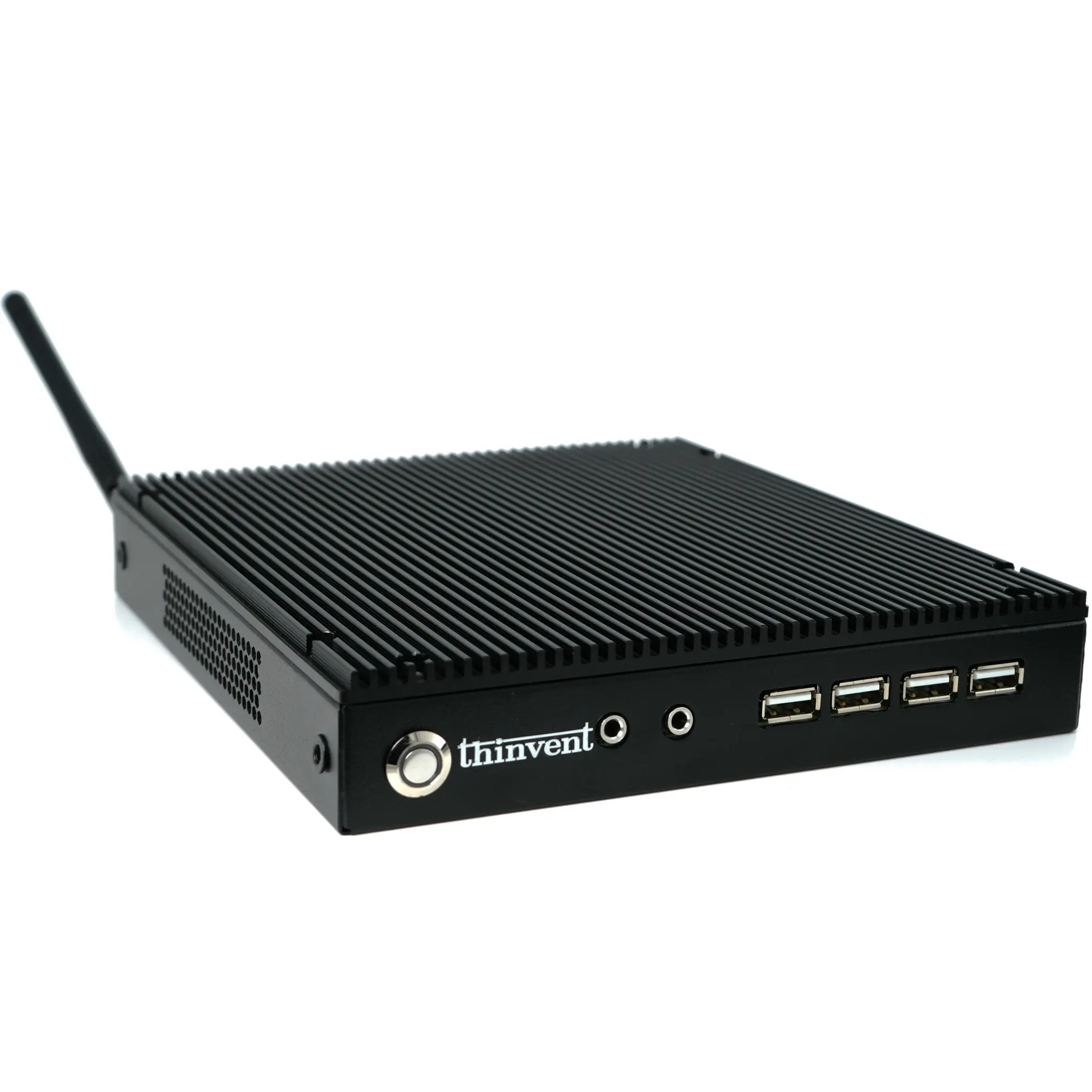
What Are Xeon Servers?
Intel Xeon processors are purpose-built for server-grade workloads, offering higher core counts, larger cache sizes, and support for error-correcting code (ECC) memory compared to consumer CPUs. Xeon servers are designed to handle demanding tasks such as virtualization, data analytics, edge computing, and industrial AI inference with uncompromising reliability and uptime.
Key Specifications and Technical Details
Xeon-based systems typically feature:
-
Multi-core architectures – from 4 to 28+ cores per socket, enabling parallel processing for heavy workloads.
-
ECC memory support – detects and corrects single-bit memory errors, critical for financial, medical, and mission-critical applications.
-
Large L3 cache – up to 38.5 MB on modern Xeon Scalable processors, reducing latency.
-
Advanced RAS features (Reliability, Availability, Serviceability) for 24/7 operation.
-
High TDP support – requiring robust thermal solutions (active cooling or large heatsinks).
Use Cases and Applications
Xeon servers excel in environments where downtime is not