What is an Industrial Computer Processor?
An industrial computer processor is the central processing unit (CPU) designed and selected for use in demanding, non-office environments. Unlike consumer-grade CPUs, these processors are often integrated into systems built for 24/7 operation, wide temperature ranges, shock and vibration resistance, and long-term reliability. The core function remains the same—executing instructions and processing data—but the emphasis is on stability, efficiency, and durability over raw peak performance.
Key Specifications and Technical Details
When evaluating an industrial processor, several key specifications are critical:
-
Processor Brand & Architecture: Primarily Intel x86 or ARM. Intel dominates the market with its Celeron, Pentium, Core i3/i5/i7, and specialized Atom/N-series processors, offering a wide performance range. ARM-based processors are favored for ultra-low power and fanless designs.
-
Cores and Threads: Core count determines multitasking capability. Dual or quad-core processors (e.g., Intel N100) are common for basic HMI and kiosk applications, while hexa-core and higher (e.g., Intel i5-1250P) are used for data acquisition and edge computing.
-
Thermal Design Power (TDP): Lower TDP (e.g., 6W-15W) is crucial for fanless, sealed designs common in industrial settings, as it minimizes heat output and eliminates moving parts that can fail.
-
Longevity & Support: Industrial processors are often part of long-term availability programs, guaranteeing supply and driver support for 7-15 years, which is essential for product lifecycle management in industrial automation.
Use Cases and Applications
The right industrial processor is selected based on the application's computational and environmental demands:
-
Light-Duty & IoT Gateways: Low-power Intel N-series or Celeron processors are ideal for digital signage, thin clients, and simple machine HMI interfaces.
-
Machine Vision & Automation: Mid-range Core i3/i5 processors with higher clock speeds and integrated GPU capabilities handle real-time image processing and PLC communication.
-
Rugged Edge Computing: Processors with a wide operating temperature range and support for ECC memory are used in transportation, energy, and outdoor installations.
-
High-Performance Workstations: For design, simulation, and complex data analytics on the factory floor, high-core-count Core i5/i7 or Xeon processors are deployed.
Processor Series Comparison for Industrial Use
| Series | Typical Use Case | Core Count | TDP Range | Key Strengths |
|---|---|---|---|---|
| Intel N-Series | Thin Clients, Basic Kiosks, IoT | 4-8 | 6W - 15W | Ultra-low power, fanless design, cost-effective |
| Intel Celeron/Pentium | HMIs, Digital Signage, Retail POS | 2-4 | 6W - 15W | Balanced performance & efficiency, long-term availability |
| Intel Core i3 | Advanced HMIs, Light Edge Computing | 2-4 (with HT) | 15W - 28W | Good single-thread performance, Intel UHD Graphics |
| Intel Core i5/i7 | Machine Vision, Automation, CAD | 6-14 | 15W - 45W | High multi-threaded performance, powerful integrated GPU |
Thinvent Industrial Computers with Optimized Processors
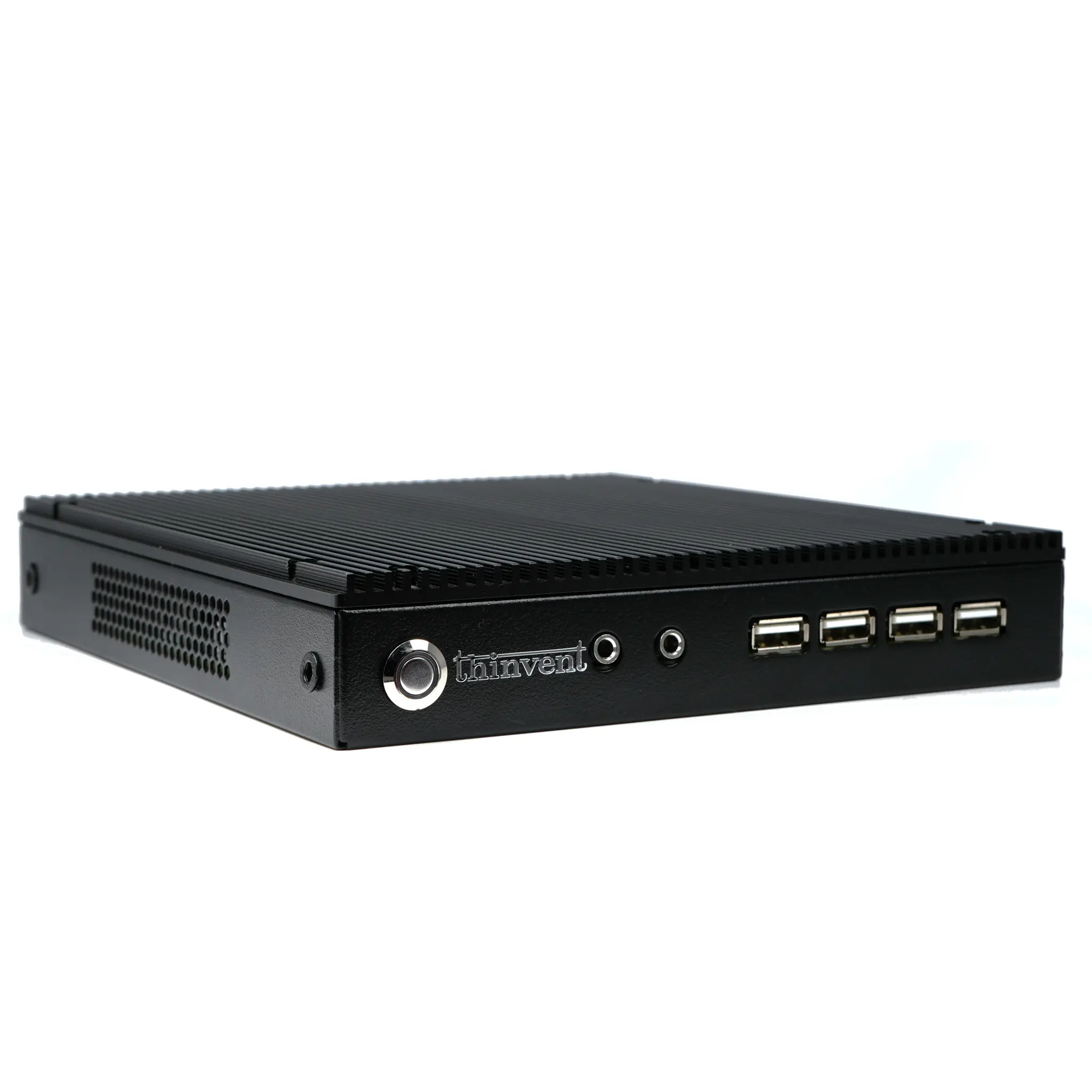
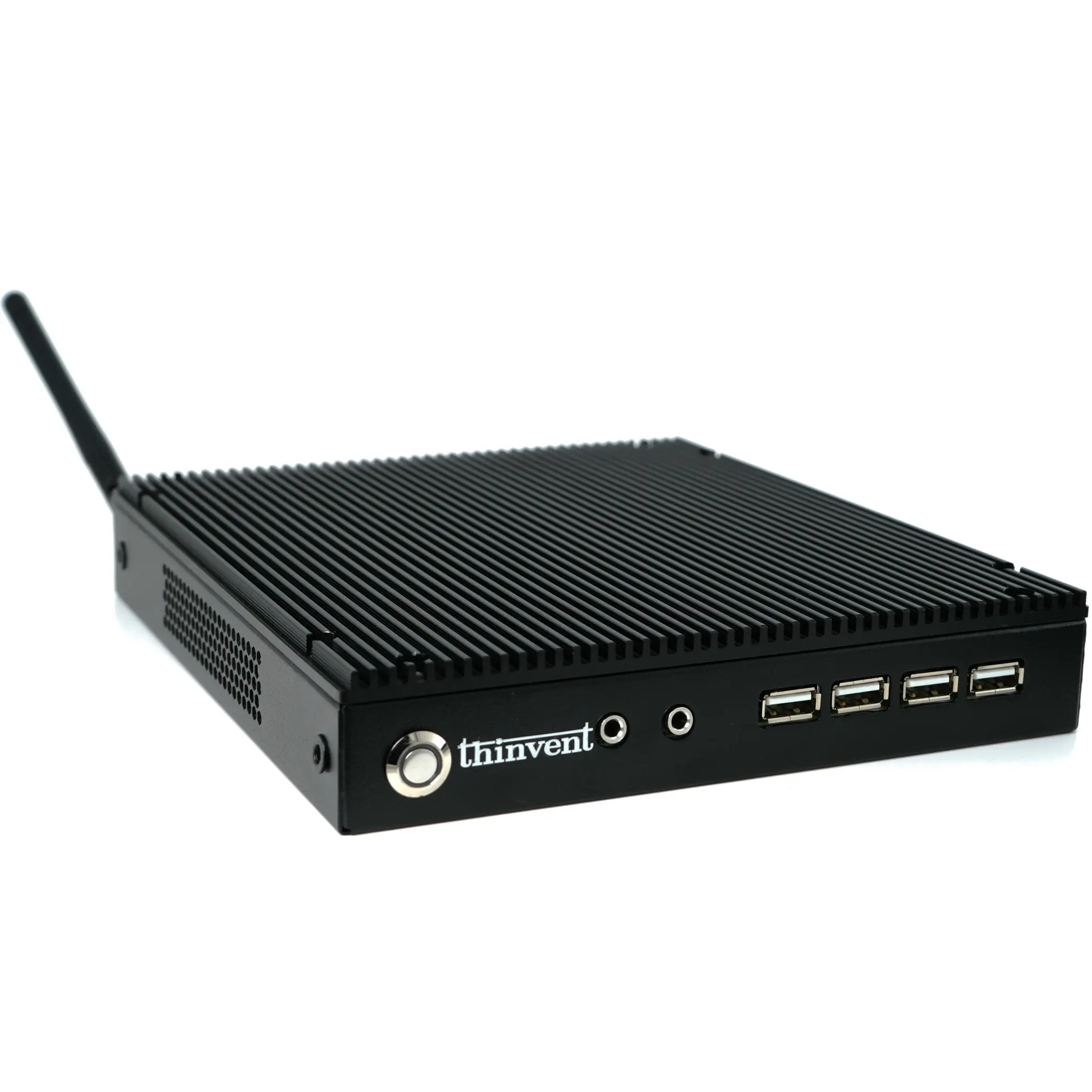
Thinvent designs its industrial computing solutions around carefully selected processors to match specific operational challenges. Our product range includes fanless Mini PCs powered by efficient Intel N-series CPUs for space-constrained and harsh environments, robust Industrial PCs with Core i-series processors for demanding automation tasks, and versatile All-in-One panels perfect for interactive kiosks and control rooms. Each system is engineered to leverage the processor's capabilities while ensuring reliability through passive cooling, wide voltage input, and extended temperature operation, providing a stable computing foundation for global industrial applications.