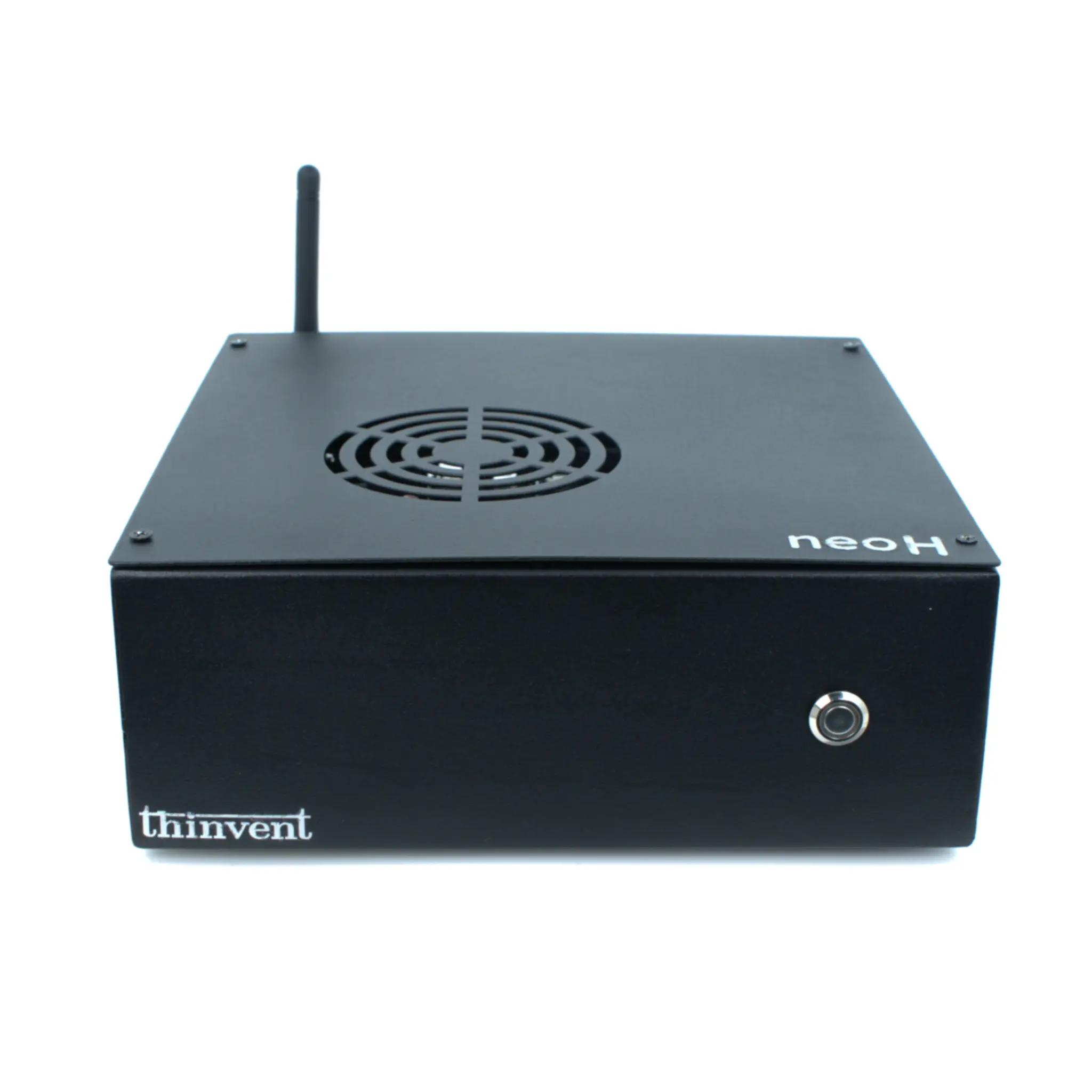
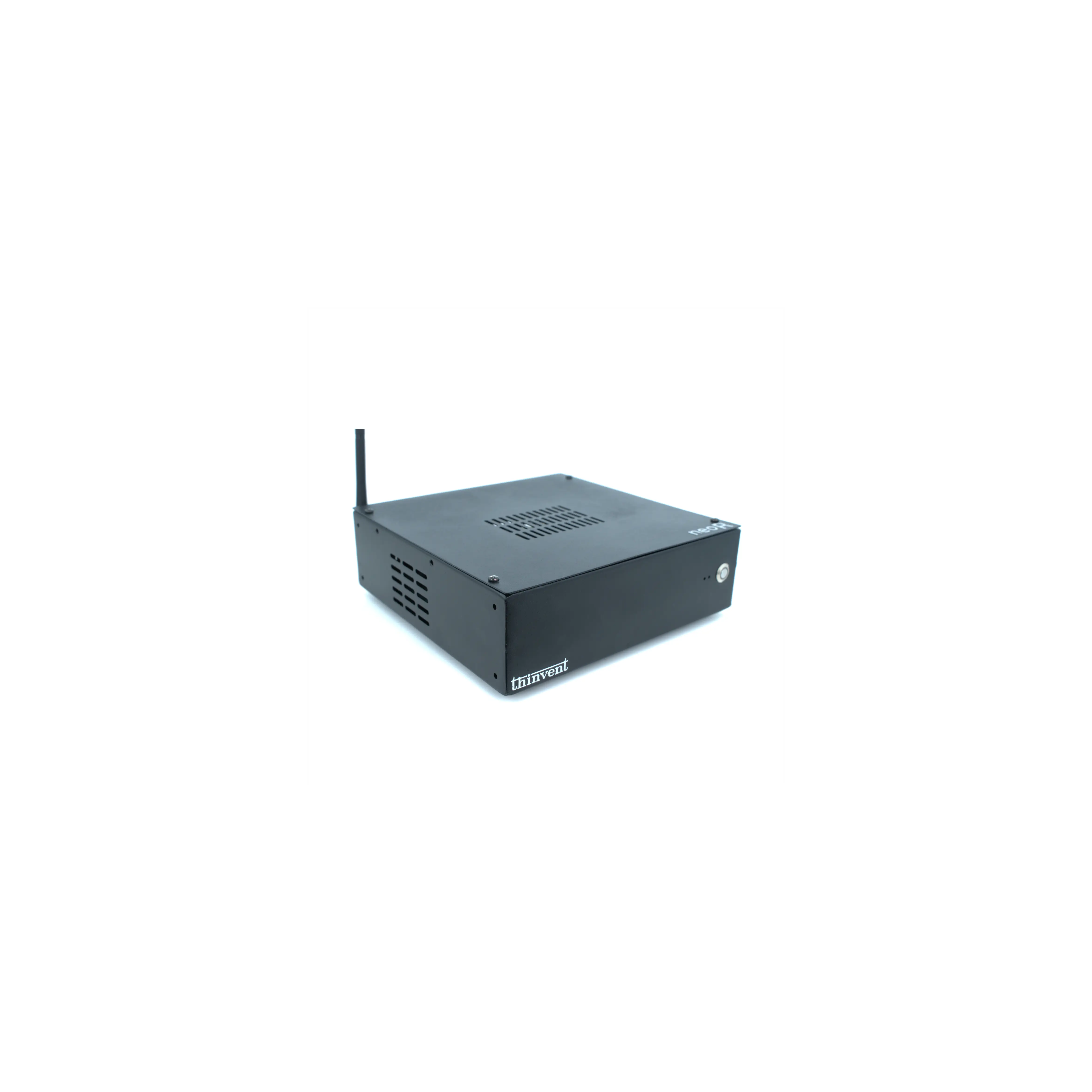
What is a Mini PC?
A Mini PC is a fully functional desktop computer compressed into a compact, space-saving form factor, typically smaller than a traditional tower or all-in-one unit. It provides the core computing capabilities of a standard PC—including a processor, memory, storage, and connectivity—but in a chassis that can often fit in the palm of your hand or be mounted discreetly behind a monitor. These systems are engineered for efficiency, low power consumption, and quiet, often fanless operation, making them ideal for environments where space, noise, and heat are critical concerns.
Key Specifications and Technical Details
Modern Mini PCs are powered by efficient processors from brands like Intel, featuring series such as Celeron, N-series, i3, i5, and newer generations. They are equipped with DDR4 or DDR5 RAM (commonly 8GB to 32GB), solid-state drives (SSD) for storage (128GB to 1TB), and a comprehensive set of I/O ports including USB 3.2, USB-C, HDMI, and Gigabit Ethernet. A defining technical feature is their thermal design; many utilize passive, fanless cooling to ensure silent operation and eliminate dust-related failures, which is crucial for 24/7 industrial applications. They typically operate on low-voltage DC power (e.g., 12V), further enhancing their energy efficiency.
Use Cases and Applications
The compact and robust nature of Mini PCs makes them exceptionally versatile. Common applications include:
-
Digital Signage & Kiosks: Reliably powering displays in retail, hospitality, and public spaces.
-
Office & Productivity: As space-efficient workstations for general office tasks, web browsing, and document processing.
-
Industrial Automation: Serving as a control unit in manufacturing, embedded within machinery due to their durability and wide operating temperature ranges.
-
Thin Client & VDI: Acting as endpoints for virtual desktop infrastructure, centralizing management and security.
-
Home Entertainment: Functioning as a compact media center or home theater PC (HTPC).
-
Edge Computing: Processing data locally in IoT networks, reducing latency and bandwidth usage.
Comparison: Mini PC vs. Traditional Desktop
| Feature | Mini PC | Traditional Desktop Tower |
|---|---|---|
| Size/Footprint | Extremely compact (often < 1L volume) | Large, requires significant desk/floor space |
| Power Consumption | Very low (often 10W-65W TDP) | Moderate to High (65W+ TDP) |
| Noise Level | Silent (fanless models) or very quiet | Audible fan noise, especially under load |
| Upgradeability | Limited; often RAM and SSD only | Highly upgradeable (GPU, CPU, multiple drives) |
| Typical Use Case | Embedded, space-constrained, office, signage | High-performance gaming, workstations, servers |
| Deployment Flexibility | VESA-mountable, easily hidden or embedded | Stationary placement required |
Thinvent Mini PCs
Thinvent specializes in industrial-grade Mini PCs designed for reliability and continuous operation in demanding environments. Our range includes fanless models built with robust metal chassis for superior heat dissipation and durability. Featuring the latest Intel processors (including efficient N-series and powerful Core i-series), multiple RAM and storage configurations, and a choice of operating systems (Windows, Linux, or without OS), Thinvent Mini PCs are engineered for applications from digital signage and kiosks to factory automation and edge computing. Explore our catalog to find a compact computing solution that balances performance, efficiency, and unwavering reliability.