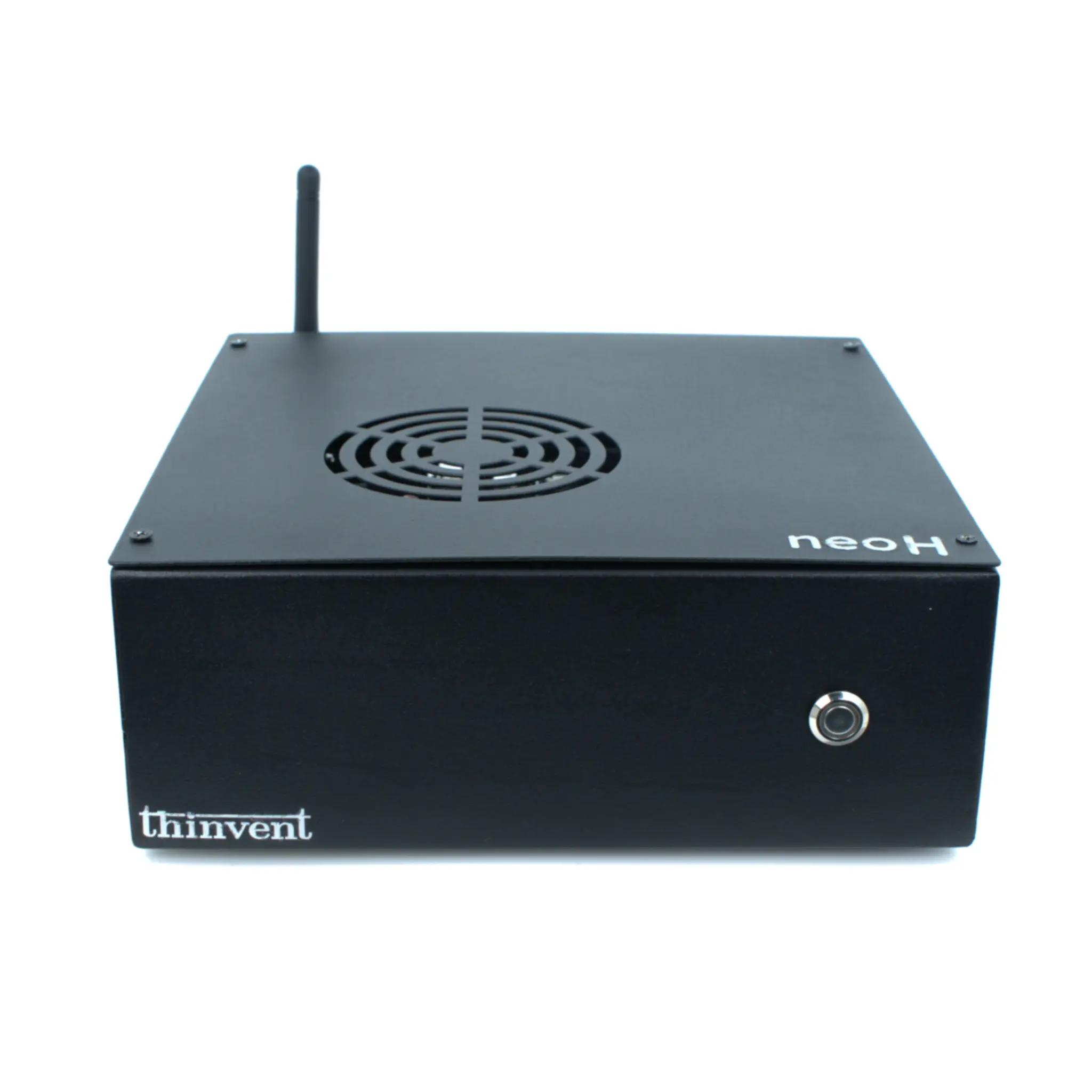
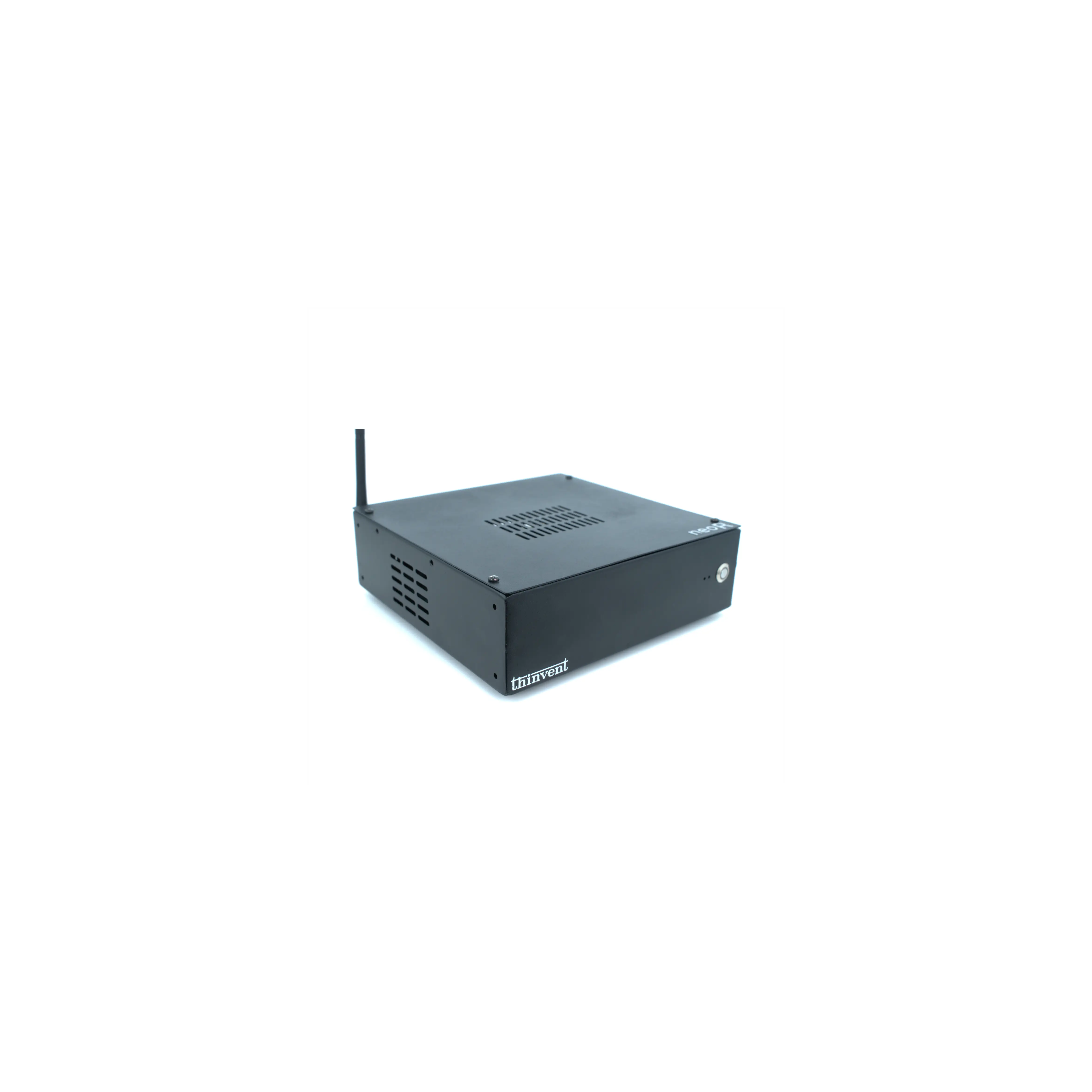
What Are Compact Mini PCs?
Compact Mini PCs, often referred to as "ultra-small form factor" or "tiny" PCs, are highly space-efficient desktop computers designed for environments where physical footprint, power efficiency, and silent operation are critical. They pack essential computing components into a chassis significantly smaller than a traditional desktop tower, often using low-power, fanless processors to eliminate noise and moving parts. These systems are ideal for digital signage, point-of-sale (POS) terminals, kiosks, office workstations, and embedded industrial applications where reliability in constrained spaces is paramount.
Key Specifications and Technical Details
A modern compact Mini PC typically features an efficient Intel processor from the N-series (like the N100) or a low-power Core i-series. Key specifications include:
-
Form Factor: Extremely small, often measuring less than 0.5 liters in volume.
-
Processor: Low-TDP (Thermal Design Power) CPUs, such as Intel's N100 (4 cores, up to 3.4 GHz), which balance performance with minimal heat generation.
-
Memory: Configurations typically range from 8GB to 16GB of DDR4 RAM.
-
Storage: Utilizes M.2 SSDs, commonly from 128GB to 512GB, for fast boot times and application loading.
-
Cooling: Primarily fanless (passive cooling) designs for silent, maintenance-free operation.
-
Connectivity: Multiple USB ports (including USB-C), HDMI/DisplayPort outputs for dual displays, and Gigabit Ethernet for reliable network connectivity. Wireless options like Wi-Fi and Bluetooth are often available.
Use Cases and Applications
The small size and robust design of compact Mini PCs make them versatile for numerous professional and industrial scenarios:
-
Digital Signage & Kiosks: Mounted discreetly behind displays in retail, hospitality, or public information points.
-
Office Workstations: As primary desktops for general office productivity, web browsing, and communication software, freeing up desk space.
-
Thin Clients: In virtual desktop infrastructure (VDI) environments to access centralized computing resources.
-
Industrial Automation: Embedded within machinery or control panels for process monitoring and HMI (Human-Machine Interface) applications due to their fanless, rugged nature.
-
Home Theater PCs (HTPCs): For media streaming in living room setups where silence is essential.
Comparison: Compact Mini PC vs. Traditional Desktop
| Feature | Compact Mini PC | Traditional Desktop Tower |
|---|---|---|
| Size & Footprint | Extremely small (< 0.5L) | Large, requires significant space |
| Noise Level | Silent (fanless) or very quiet | Audible fan noise under load |
| Power Consumption | Very low (10W-30W typical) | Moderate to high (65W+ typical) |
| Expandability | Limited (RAM/Storage only) | High (multiple PCIe slots, drive bays) |
| Typical Use Case | Embedded, space-constrained, office | High-performance gaming, workstations |
| Deployment | Wall-mountable, VESA mountable | Desk or floor placement |
Thinvent's Compact Mini PC Solutions
Thinvent offers a range of industrial-grade compact Mini PCs designed for reliability and performance in demanding environments. Our Aero Mini PC series, for example, features the efficient Intel® processor N100, providing a balance of capable processing power in a completely fanless chassis. These systems are built for 24/7 operation and come with flexible configuration options, including choice of operating system (Windows 11 IoT/Pro, Ubuntu Linux, or DOS), memory up to 16GB, and SSD storage. Ideal for digital signage, kiosks, and lean office deployments, Thinvent's Mini PCs deliver professional computing power without compromising on space or silence.