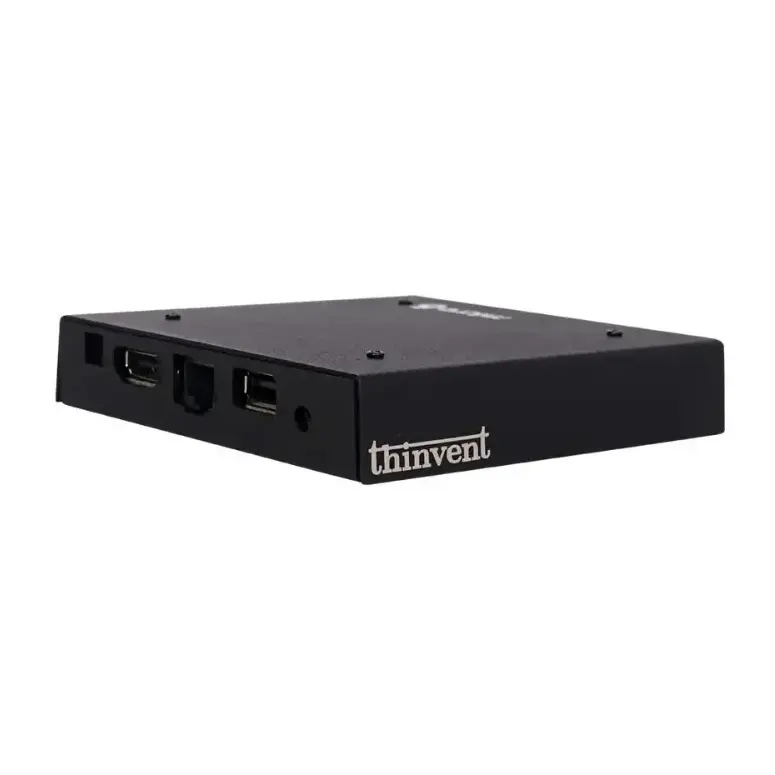
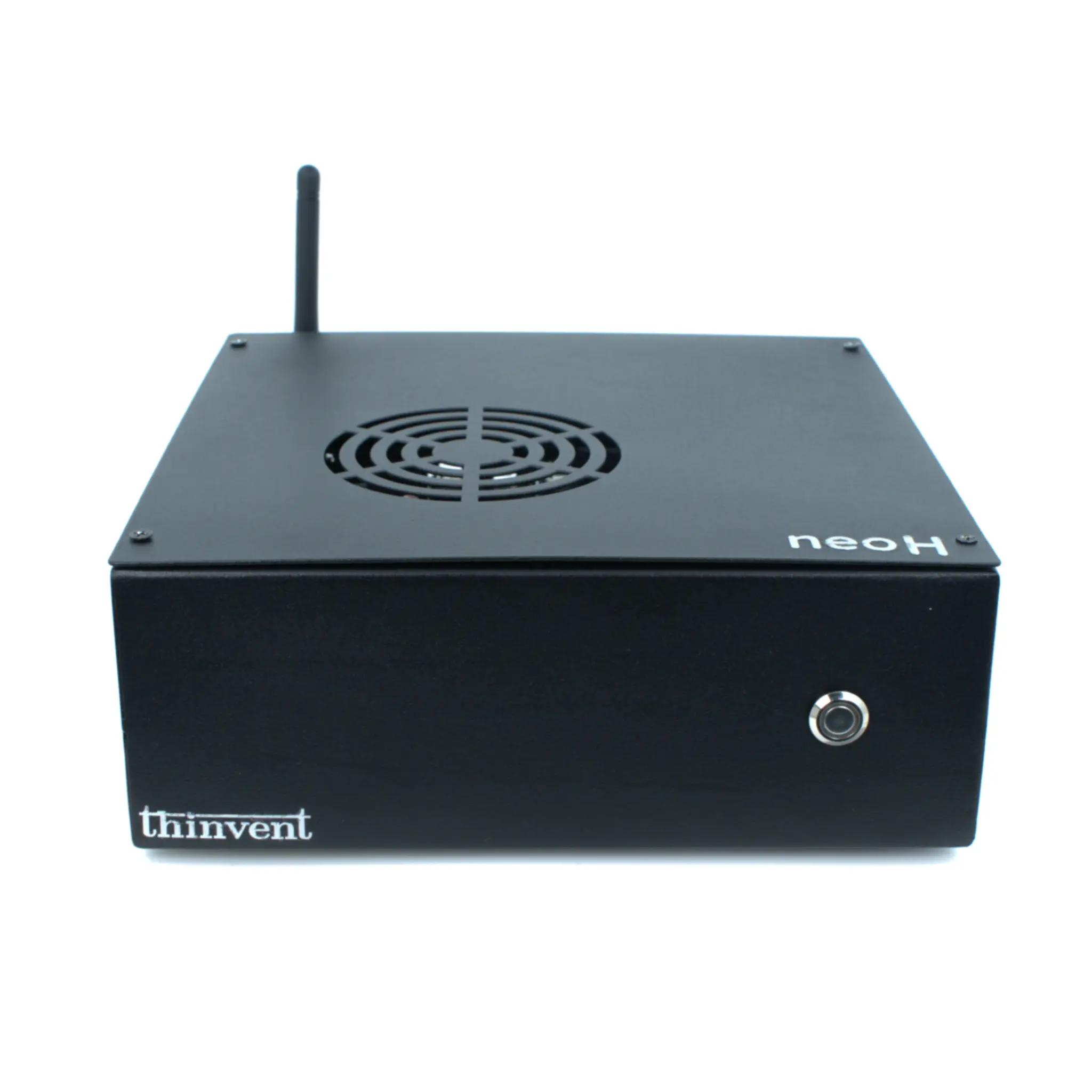
Understanding the NUC (Next Unit of Computing) PC
The term "ナック PC" is the Japanese pronunciation of "NUC PC," referring to Intel's Next Unit of Computing standard – a compact, ultra-small form factor (USFF) desktop computer. NUCs are renowned for their tiny footprint (often around 10cm x 10cm), low power consumption, and surprising performance capabilities. Originally popularized by Intel, the NUC concept has become a benchmark for mini PCs used in home offices, digital signage, industrial automation, and thin client deployments. These systems typically offer flexible mounting options, including VESA mounting behind a monitor, making them ideal for space-constrained environments.
Key Specifications and Technical Details
A typical NUC-style mini PC features a compact chassis housing a mobile-class processor, soldered RAM or SODIMM slots, and M.2 or eMMC storage. Key specifications include:
-
Processor Options: Intel Core i3/i5/i7 U-series (10-28W TDP) or efficient N-series (6-15W TDP). Some NUCs also use ARM Cortex processors for ultra-low power.
-
Memory: 4GB to 32GB DDR4/DDR5, often dual-channel capable.
-
Storage: M.2 NVMe SSDs (128GB-1TB) or eMMC (16GB-64GB) for entry-level models.
-
Connectivity: Dual HDMI/DisplayPort, USB 3.2 Gen 2 (Type-A and Type-C), Intel Gigabit Ethernet, and optional WiFi 6/6E.
-
Power: Typically 12V DC input with 45W-90W power adapters, enabling silent fanless operation in many models.
Use Cases and Applications
NUC PCs excel in diverse scenarios:
-
Home & Office: As space-saving desktops for productivity, web browsing, and media streaming.
-
Digital Signage: Their small size and low heat output make them perfect for behind-screen mounting in retail or corporate displays.
-
Industrial Automation: Fanless NUCs with wide temperature ranges can operate reliably in factory floors or kiosks.
-
Thin Client & VDI: Low-power NUCs serve as cost-effective endpoints for virtual desktop infrastructure (VDI) with centralized management.
-
Embedded Systems: Customizable NUCs are used in medical carts, POS terminals, and IoT gateways.
Comparison: NUC vs. Traditional Desktop
| Feature | NUC Mini PC | Traditional Desktop Tower |
|---|---|---|
| Size | ~10cm x 10cm x 4cm | 20-50cm tall |
| Power Consumption | 15-65W (idle: 5-10W) | 100-500W+ (idle: 30-80W) |
| Noise | Fanless or near-silent | Audible fans |
| Upgradeability | Limited (RAM/SSD only) | Full upgrade path |
| Mounting | VESA, desk, or wall | Floor or desk only |
| Typical Cost | $200-$800 | $500-$2000+ |
Thinvent's NUC-Replacement Mini PCs
Thinvent offers a comprehensive range of NUC-class mini PCs that match or exceed Intel's original specifications. Our lineup includes:
-
Thinvent Micro Series: Ultra-compact ARM-based thin clients (Cortex A53/A55) with 2-4GB RAM and 16-64GB eMMC, ideal for low-power VDI and embedded Linux applications.
-
Thinvent Treo Series: Intel N95/N100-based mini PCs with 4GB-8GB DDR4 and 128GB SSD, perfect for home office and light productivity.
-
Thinvent Aero Series: Performance-focused mini PCs with Intel Core i3-1215U (6-core) or Core 5 120U (10-core), 16GB RAM, and 512GB SSD, supporting Windows 11 Pro for demanding multitasking.
-
Thinvent Industrial PCs (IPC1/IPC3/IPC5): Ruggedized NUC-form-factor systems with Intel Core i3/i5 12th Gen processors, 8-16GB RAM, and 256-512GB SSD, designed for 24/7 industrial operation.
All Thinvent NUC alternatives offer fanless cooling, VESA mount compatibility, and multiple OS options including Windows 11 IoT, Ubuntu Linux, and Thinux Embedded Linux.