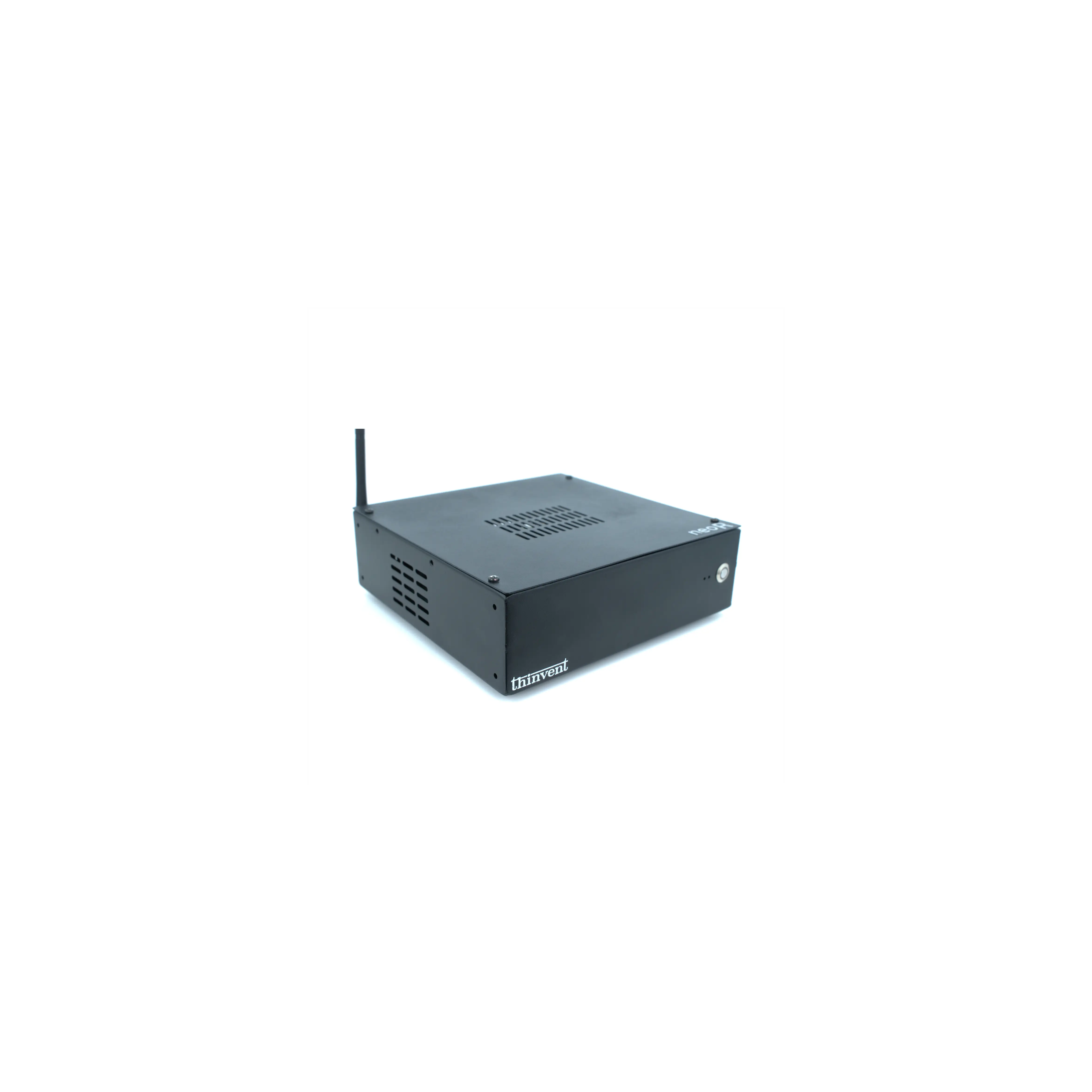
What Makes a Desktop PC "Compact"?
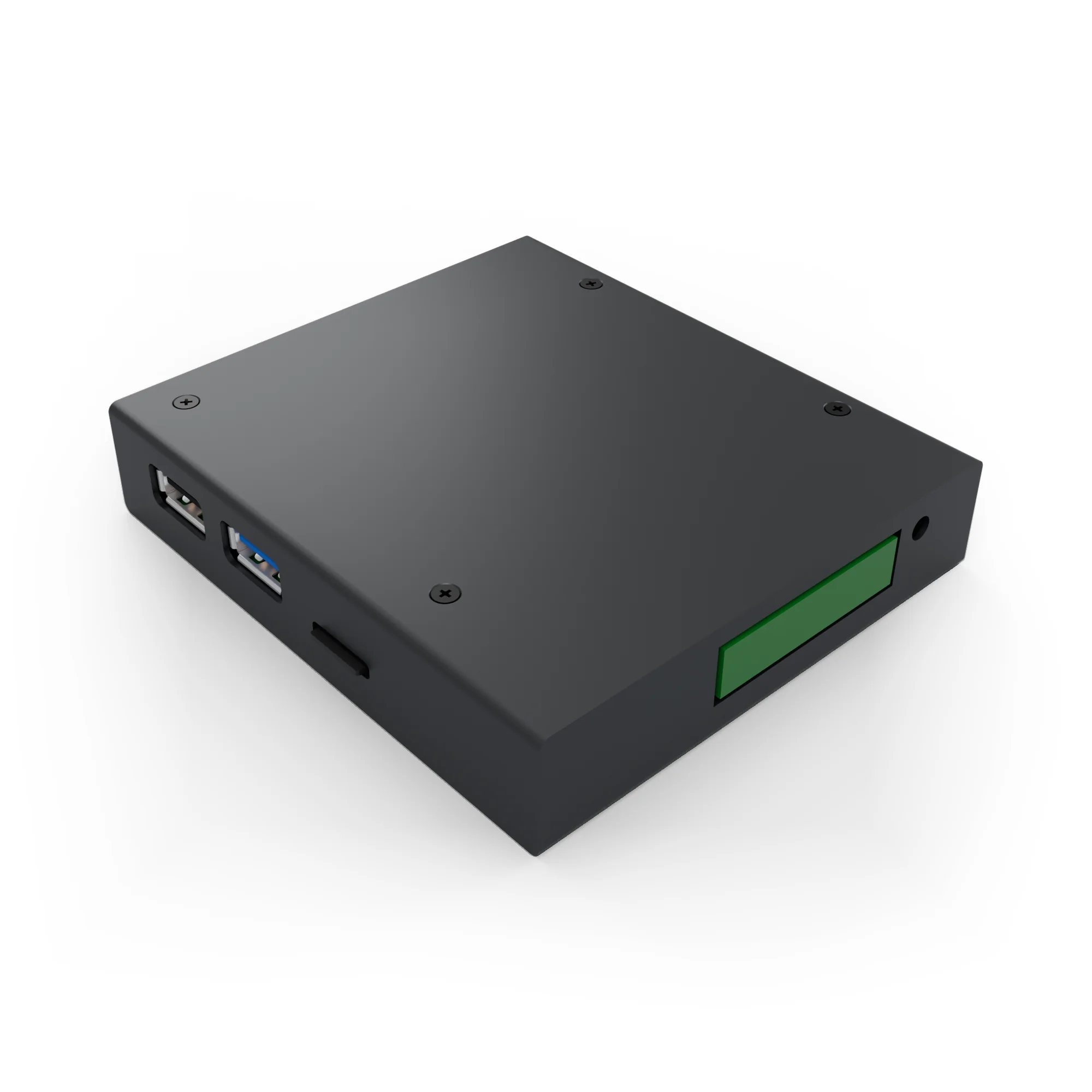
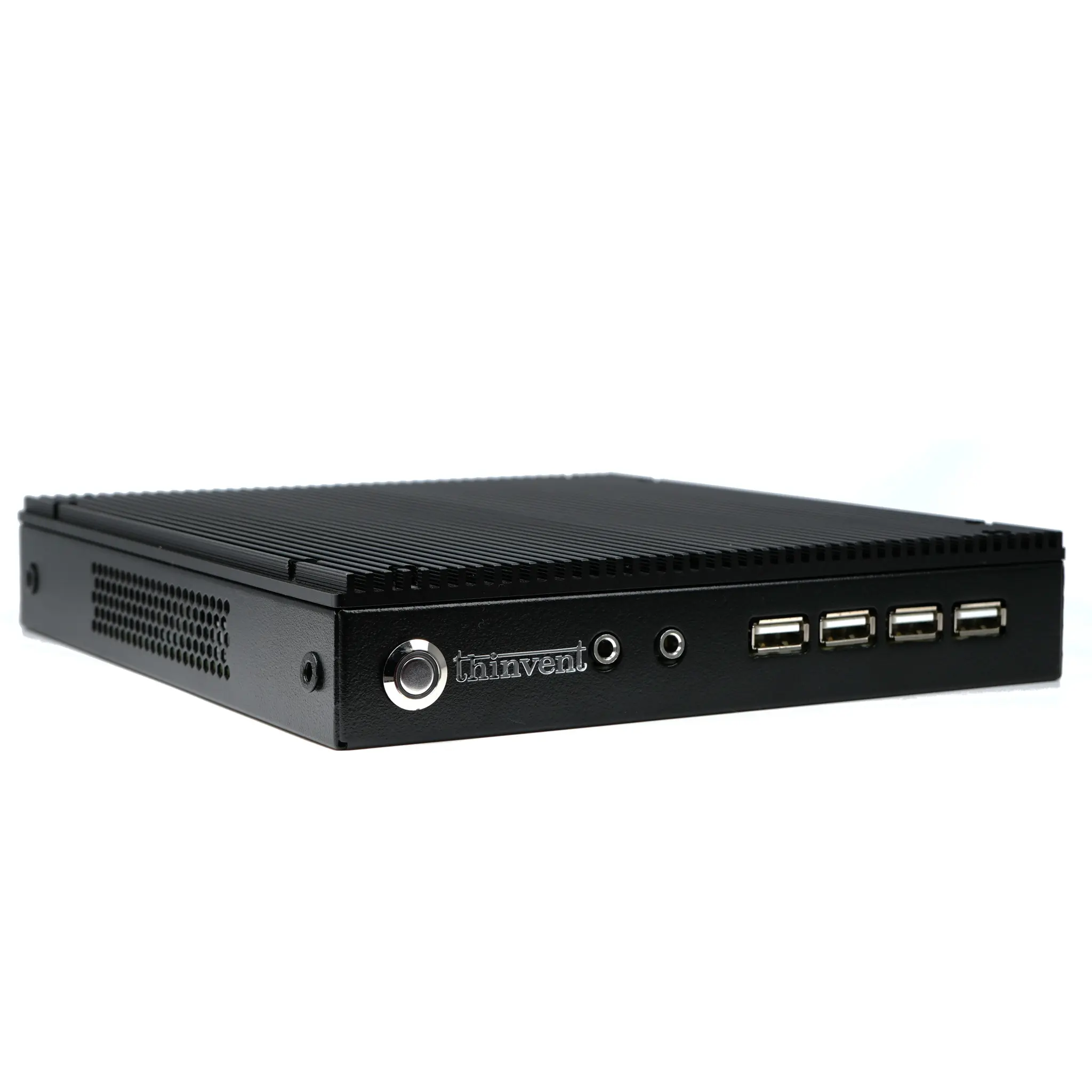
A compact desktop PC is a fully functional computer built into a chassis small enough to sit on a shelf, hide behind a monitor, or mount under a desk. Instead of the bulky tower that once defined the desktop category, a space-saving machine typically measures under 2 litres in volume — some models are barely larger than a paperback book — yet still delivers the CPU, memory, storage and ports needed for everyday work. The trade-off is usually expansion: fewer PCIe slots, fewer drive bays, and a reliance on external power bricks or wide-input DC adapters.
The key components are the same as any desktop: a processor, RAM, an SSD and an operating system. What changes is packaging and thermal design. Low-power Intel processors — Celeron J4125, the N-series (N95, N100, N150), and 12th/13th generation U-series chips such as the Core i3-1215U — are popular in this class because they run cool enough for fanless or low-noise cooling while still handling office suites, browsers with many tabs, point-of-sale software, digital signage and lightweight virtualisation.
Choosing the Right Form Factor
Space-saving computers are not a single product type. The right choice depends on where the machine will live and who will use it.
| Form Factor | Typical Size | Best For | Expansion |
|---|---|---|---|
| Mini PC | 0.5–1.5 L | Office desks, kiosks, home office | 1–2 RAM slots, M.2 SSD |
| Thin Client | 0.5–1 L | VDI, remote desktop, shared workstations | Minimal, network |