Personal computers (PCs) have evolved far beyond the traditional desktop tower. Today, they are categorized by their form factor, intended use, and underlying architecture, each offering distinct advantages for different computing needs. Understanding these categories is crucial for selecting the right device for home, office, or industrial applications.
The Four Main Types of Personal Computers
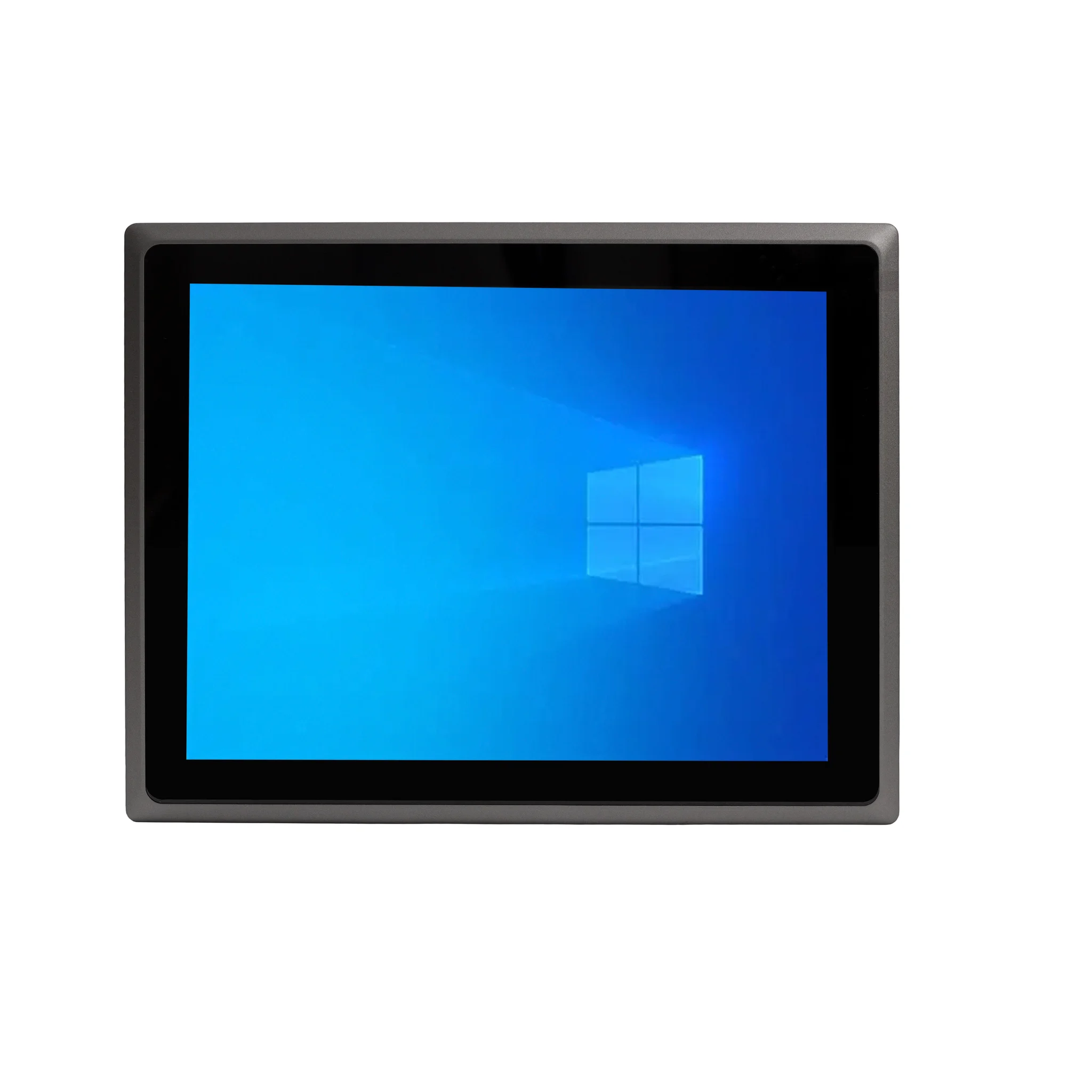
1. Desktop Computers The traditional workhorse, typically consisting of a separate tower, monitor, keyboard, and mouse. They offer the highest potential for performance, customization, and upgradeability, making them ideal for demanding tasks like gaming, video editing, and software development. Modern desktops also include space-saving All-in-One (AIO) PCs, which integrate the computer components directly into the monitor for a clean, cable-free setup perfect for offices, reception areas, and retail kiosks.
2. Laptop Computers Portable, all-in-one devices with an integrated screen, keyboard, and trackpad. Powered by a battery, they provide mobility for students, professionals, and remote workers. Performance ranges from basic models for web browsing to high-performance mobile workstations for on-the-go content creation and engineering.
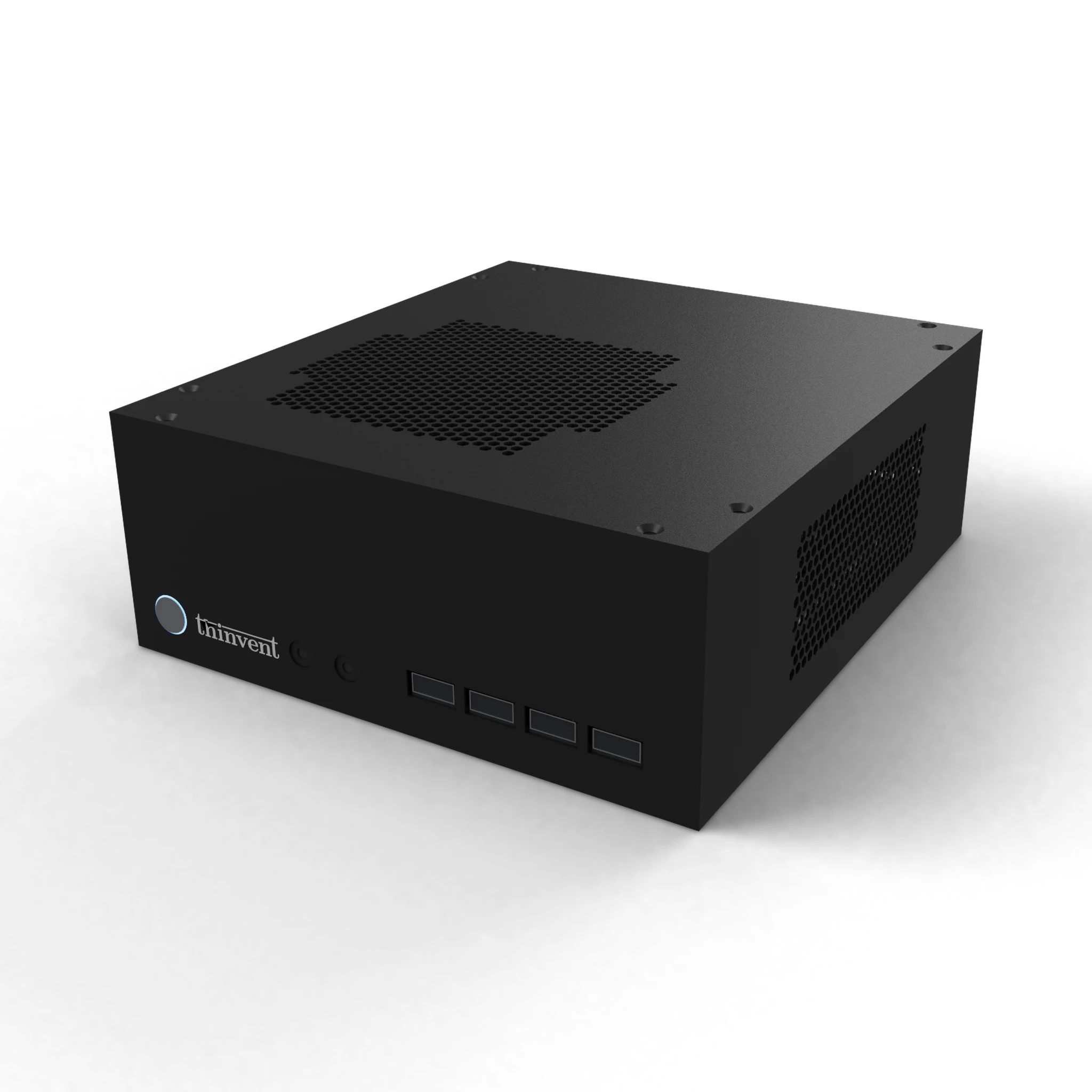
3. Mini PCs Compact, power-efficient computers that deliver desktop-like performance in a fraction of the space. They are often fanless for silent operation and can be mounted behind a monitor or under a desk. Mini PCs are excellent for general office productivity, digital signage, home theater PCs (HTPCs), and as lightweight workstations. They bridge the gap between the power of a desktop and the minimal footprint of a thin client.
4. Thin Clients Ultra-compact, streamlined devices designed primarily to connect to a centralized server or cloud desktop environment (like Virtual Desktop Infrastructure or VDI). They have minimal local processing power and storage, relying on the server for applications and data. This makes them highly secure, easy to manage, and cost-effective for large-scale deployments in call centers, schools, hospitals, and task-based work environments.
Comparison of PC Types
| Feature | Desktop | Laptop | Mini PC | Thin Client |
|---|---|---|---|---|
| Form Factor | Large Tower | Clamshell | Ultra-Compact | Pocket-Sized |
| Performance | Highest | High to Moderate | Moderate | Basic |
| Upgradeability | Excellent | Limited | Moderate | Very Limited |
| Portability | None | High | Moderate (Easy to Move) | High (Easy to Deploy) |
| Primary Use Case | Gaming, Workstations | Mobility, General Use | Space-Constrained Offices, Digital Signage | Centralized/Cloud Computing, Task Workers |
Thinvent's Range of Personal Computing Solutions
Thinvent specializes in manufacturing robust and reliable computing devices that fit into the Mini PC, Thin Client, and All-in-One PC categories. Our product lines are engineered for durability and specific use cases:
-
Thinvent Thin Clients: Such as the Micro series with ARM processors, are built for energy-efficient, secure access to virtualized environments. They run on Thinux™ Embedded Linux for stability.
-
Thinvent Mini PCs: Including the Treo, Aero, and Industrial IPC series, offer a powerful footprint with Intel processors from the efficient N-series up to powerful Core i5 models. They are perfect for turning any display into a full workstation, powering kiosks, or running industrial applications.
-
Thinvent Industrial PCs: Ruggedized versions of our mini PCs, designed to operate reliably in demanding environments with wide temperature ranges and continuous operation.
-
Thinvent All-in-One PCs: Integrate a sleek display with a powerful computing unit, reducing clutter and providing an all-inclusive solution for point-of-sale, interactive displays, and office workstations.