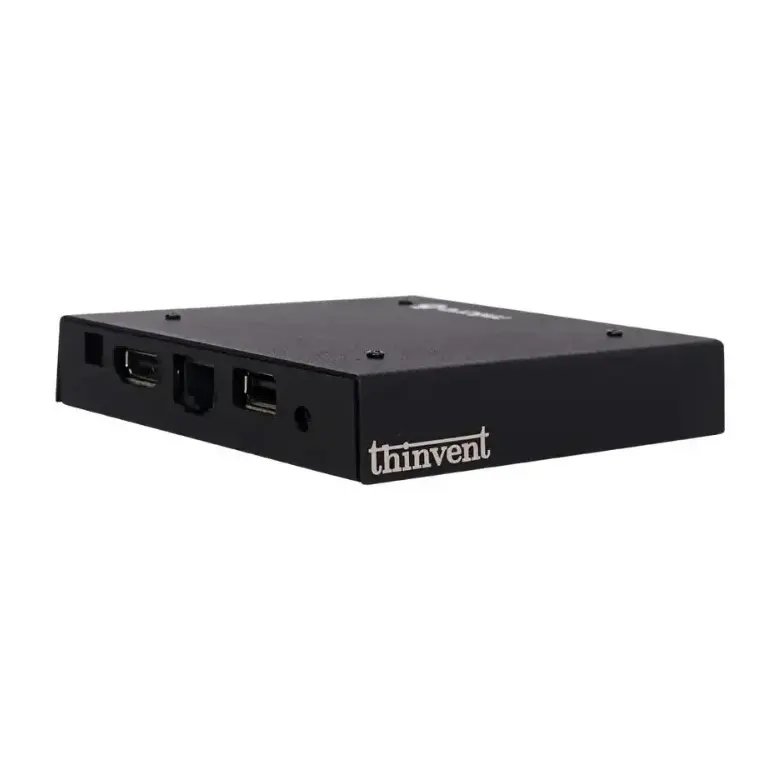
What "Industrial Computer" Means in Practice
An industrial computer is a computing platform engineered for environments where a standard office desktop would not survive: factory floors, outdoor cabinets, vehicles, warehouses, kiosks, and 24/7 control rooms. The reference number in this query does not correspond to a product model or a technical standard, so this page covers what actually defines the category and how to choose within it.
The differences are structural rather than cosmetic. Industrial systems typically use a fanless chassis that conducts heat away through a metal body, wide-temperature-rated components, watchdog timers for automatic recovery after a lock-up, and power input designed for industrial DC supplies rather than a consumer brick. Storage is usually solid state to eliminate moving parts, and I/O is deliberately legacy-friendly — DB9 serial ports, digital I/O, dual Gigabit Ethernet — because plant equipment, PLCs, weighbridges, and POS peripherals still speak RS-232/RS-485.
Key Specifications Worth Checking
| Specification | What to look for | Why it matters |
|---|---|---|
| Processor | Intel N-series, Celeron, or Core i3/i5 (12th–14th gen) | Balances performance per watt against heat budget |
| Cooling | Fanless passive heatsink | No dust intake, no bearing wear, silent operation |
| Memory | 4–64 GB DDR4/DDR5 | Headroom for SCADA, virtualisation, or multi-app kiosks |
| Storage | 128 GB – 1 TB SSD | Shock resistance and low latency |
| Networking | Dual Gigabit Ethernet | Separates OT network from IT network |