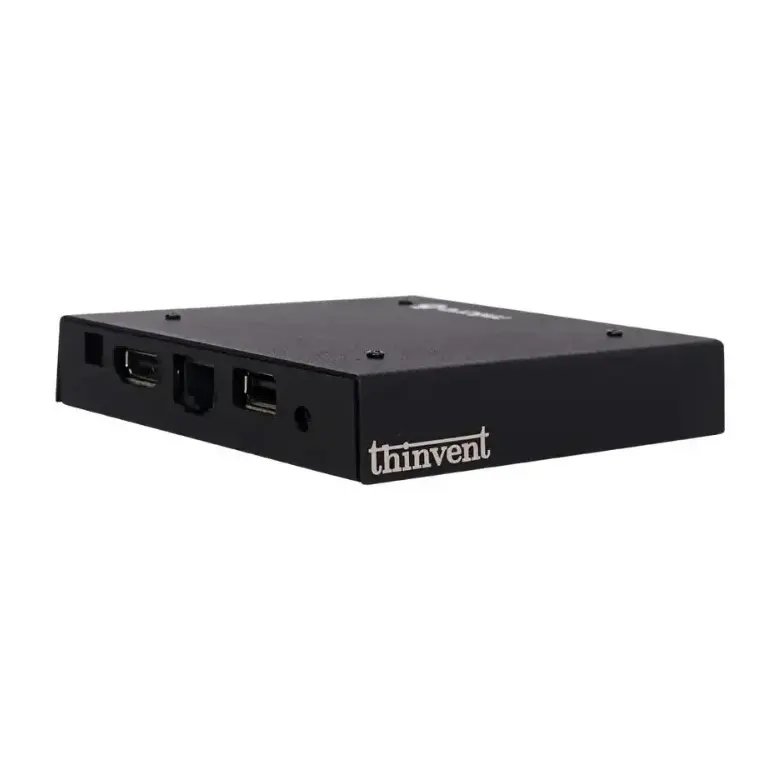
What Are Compact Mini PCs?
Compact Mini PCs, often referred to as tiny desktops or small form factor PCs, are complete computer systems engineered into an exceptionally small footprint. They deliver the core functionality of a traditional desktop tower but in a package that can be as small as a book or a router. These systems are designed for environments where space is at a premium, power efficiency is critical, and silent, fanless operation is often a key requirement. By eliminating bulky components and using efficient, low-power processors, they offer a streamlined solution for a wide range of computing tasks.
Key Specifications and Technical Details
The performance profile of a compact Mini PC is defined by its processor architecture, memory, and storage. Models typically feature either energy-efficient ARM-based processors (like the ARM Cortex A53/A55) or low-power Intel processors (such as the Intel N100, Core i3, i5, and i7). ARM-based units are ideal for lightweight, always-on applications, offering features like onboard RAM and eMMC storage with minimal power draw (e.g., 5V/2A). Intel-based models provide higher performance for more demanding tasks, with options for DDR4 RAM and NVMe SSDs, and typically use 12V adapters. Common connectivity includes HDMI for display output, USB ports, and optional dual-band Wi-Fi. Many models support VESA mounting for discreet installation behind monitors or under desks.
Ideal Use Cases and Applications
The versatility of compact Mini PCs makes them suitable for numerous professional and commercial applications. They are perfect as digital signage players, running content in retail stores or public spaces. In office environments, they serve as space-saving workstations for general productivity, web browsing, and document editing. Their reliability and small size make them excellent for kiosks, point-of-sale (POS) systems, and thin client setups in virtual desktop infrastructure (VDI). Industrial settings benefit from their rugged, often fanless designs for control systems and monitoring. They are also popular for home entertainment as media centers or lightweight gaming consoles.
Comparison of Common Mini PC Configurations
| Feature | Entry-Level ARM (e.g., Micro 5/6) | Mid-Range Intel (e.g., N100 Series) | High-Performance Intel (e.g., Core i5/i7) |
|---|---|---|---|
| Processor | ARM Cortex (4 cores, ~1.5-1.9 GHz) | Intel N100 (4 cores, up to 3.4 GHz) | Intel Core i5/i7 (10-12 cores, up to 5.0 GHz) |
| RAM | 2GB - 4GB Onboard | 4GB - 8GB DDR4 | 8GB - 16GB+ DDR4 |
| Storage | 16GB - 64GB eMMC | 128GB SSD | 256GB - 512GB+ SSD |
| Power | ~10W (5V/2A) | ~15-20W (12V/5A) | ~30W+ (12V/7A) |
| Best For | Digital Signage, Basic Thin Client, Kiosks | Office Productivity, Media Streaming, Light Gaming | Advanced Workstations, CAD, Software Development |
Thinvent's Range of Compact Mini PCs
Thinvent offers a comprehensive portfolio of compact Mini PCs designed to meet diverse performance and application needs. Our Micro Series (Micro 5 Wifi, Micro 6 Pro) utilizes efficient ARM processors for ultra-low-power, fanless operation in always-on scenarios like digital signage and basic computing. For balanced performance, the Treo and IPC1/3 Series feature Intel's efficient N100 and Core i3 processors, ideal for office work, light design, and industrial control panels. For demanding professional workloads, the Aero and IPC5 Series are powered by high-performance Intel Core i5 and i7 processors, providing desktop-level power in a miniaturized form factor. All Thinvent Mini PCs are built for reliability and come with flexible operating system options, including Thinux™ Embedded Linux, Ubuntu Linux, and Windows, ensuring a perfect fit for any global deployment.