What is an SSD NAS?
An SSD NAS (Solid-State Drive Network Attached Storage) is a dedicated file storage device that uses flash-based SSDs instead of traditional hard disk drives (HDDs). It connects directly to a network, allowing multiple users and client devices to retrieve data from a centralized location. The primary advantage of an SSD NAS is its exceptional speed, reliability, and energy efficiency, making it ideal for applications requiring fast data access and high I/O operations.
Key Specifications for an SSD NAS
When selecting hardware for an SSD NAS, several technical specifications are critical. The processor should be efficient and capable of handling network traffic and encryption tasks; modern Intel processors like the N100 are excellent for this role. Adequate RAM (16GB or more) is essential for caching and smooth operation of the NAS operating system. Storage is, of course, central: multiple SATA or NVMe SSD bays are required for capacity and redundancy (RAID). Reliable Gigabit Ethernet (or faster 2.5GbE) ports are a must for network throughput. Finally, a fanless or quiet cooling design ensures 24/7 operation in office or home environments.
Ideal Use Cases and Applications
SSD NAS devices are transformative for specific scenarios where speed and reliability are paramount. They are perfect for small to medium businesses needing a fast shared drive for project files, video editing workgroups requiring low-latency access to large media files, and IT departments deploying virtual machines or containerized applications. For home users and prosumers, an SSD NAS serves as an ultra-responsive media server or a backup target for critical data. Their silent operation and lower power draw also make them suitable for deployment in living spaces or noise-sensitive offices.
Comparing SSD NAS vs. Traditional HDD NAS
| Feature | SSD NAS | HDD NAS |
|---|---|---|
| Speed | Extremely high read/write speeds (500+ MB/s) | Slower speeds (100-200 MB/s) |
| Latency | Very low, near-instant access | Higher latency due to moving parts |
| Power Consumption | Lower, more energy-efficient | Higher, especially during spin-up |
| Noise & Heat | Silent, generates minimal heat | Audible, generates more heat |
| Durability | No moving parts, more shock-resistant | Sensitive to vibration and physical shock |
| Cost per GB | Higher | Significantly lower |
| Best For | Performance-critical apps, random I/O, quiet environments | Bulk storage, archival, large media libraries |
Thinvent Industrial Computers for SSD NAS
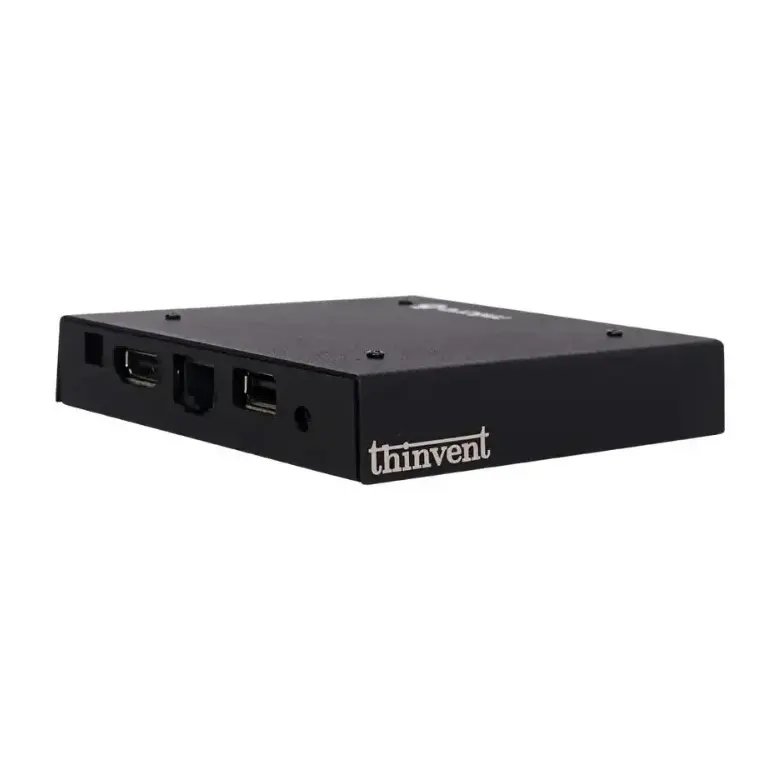
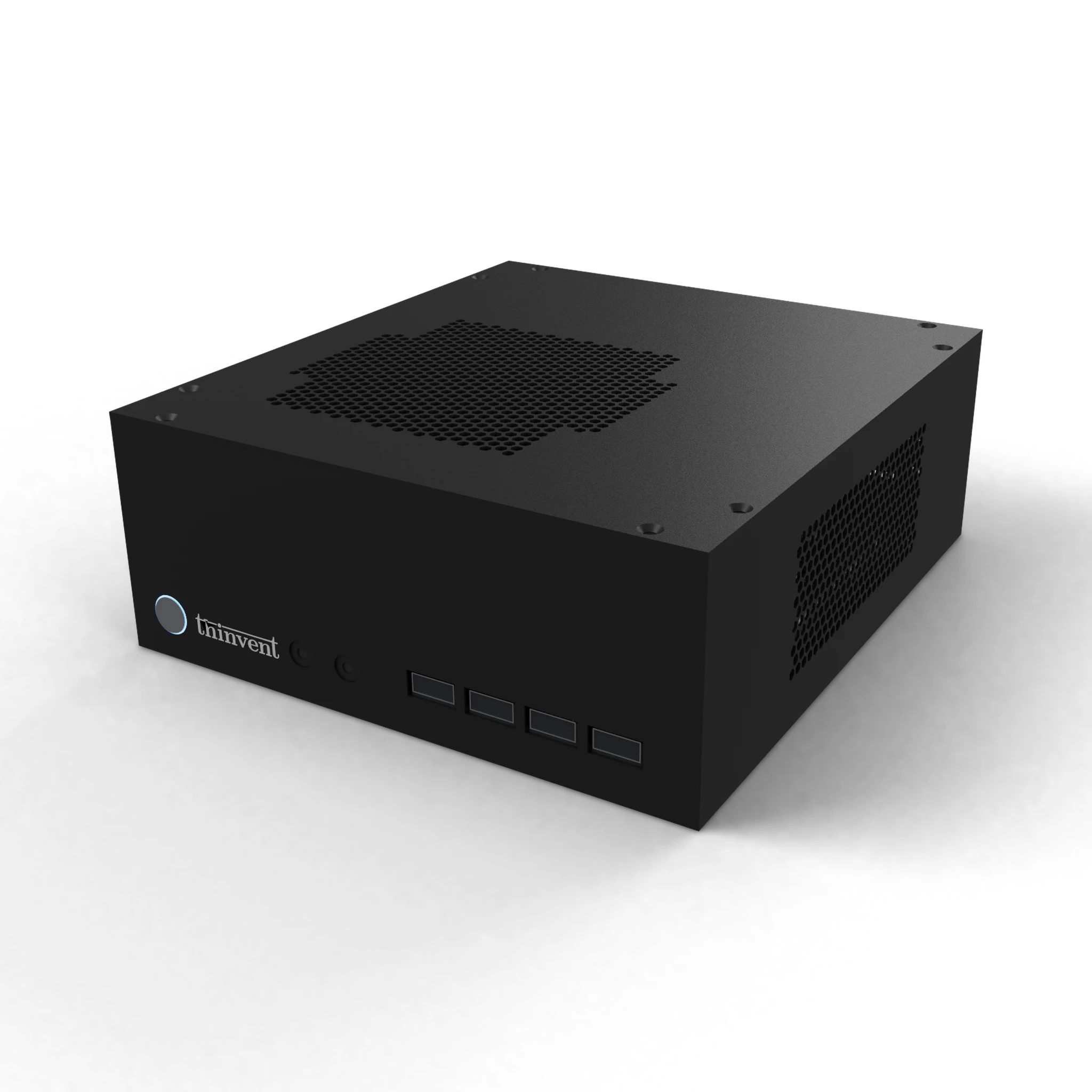
Thinvent's range of compact and robust industrial computers are perfectly suited to be repurposed as powerful, reliable SSD NAS servers. Our fanless Mini PCs, like the Aero series, offer the stable, low-power foundation required for 24/7 NAS operation. With support for multiple operating systems (including Linux distributions popular for NAS software like TrueNAS or OpenMediaVault), ample RAM configurations, and options for high-capacity internal and external SSD storage, these systems provide a customizable hardware platform. Their industrial-grade components ensure the longevity and data integrity demanded in professional storage solutions.