What is a Network Attached Storage (NAS) Device?
A Network Attached Storage (NAS) device is a dedicated file storage server connected to a network, allowing multiple users and client devices to retrieve data from centralized storage. Unlike a general-purpose computer, a NAS is optimized for data storage, sharing, and backup, often running a specialized operating system like TrueNAS, OpenMediaVault, or Unraid. It provides a cost-effective and efficient solution for homes, small businesses, and enterprises to manage digital assets.
Key Specifications for a NAS Computer
When selecting a computer to build or act as a NAS, several technical specifications are critical. The processor should be energy-efficient yet capable of handling file transfers and running background services; modern Intel processors like the N-series are ideal. Adequate RAM (8GB or more) ensures smooth operation, especially when running multiple services or Docker containers. Storage connectivity is paramount, with support for multiple SATA or NVMe drives via expansion, and reliable Gigabit Ethernet (or faster) is essential for network throughput. A fanless, compact form factor ensures silent, 24/7 operation in any environment.
Use Cases and Applications
NAS systems are versatile and serve numerous applications. For home users, they act as a media server for streaming movies and music, a central backup location for family photos and documents, and a personal cloud. In small offices, a NAS facilitates secure file sharing among employees, automated backups of workstations, and can host business applications like customer relationship management (CRM) or email servers. For developers and IT professionals, a NAS can be a powerful platform for hosting virtual machines, testing environments, and containerized applications using Docker.
Comparison: Pre-built NAS vs. DIY NAS Computer
| Feature | Pre-built NAS Appliance | DIY NAS Computer (e.g., Mini PC) |
|---|---|---|
| Cost | Often higher for equivalent specs. | Typically more cost-effective. |
| Flexibility | Limited to vendor's hardware/software. | Highly flexible; choose any OS and expand storage as needed. |
| Performance | Optimized for storage tasks. | Can be tailored for high-performance computing or multiple services. |
| Ease of Setup | User-friendly, plug-and-play. | Requires more technical knowledge for assembly and OS configuration. |
| Upgradability | Often limited. | Easily upgrade RAM, storage, and network cards. |
| Form Factor | Usually designed for drive bays. | Compact and can be fanless for silent operation. |
Thinvent Products for Your NAS Solution
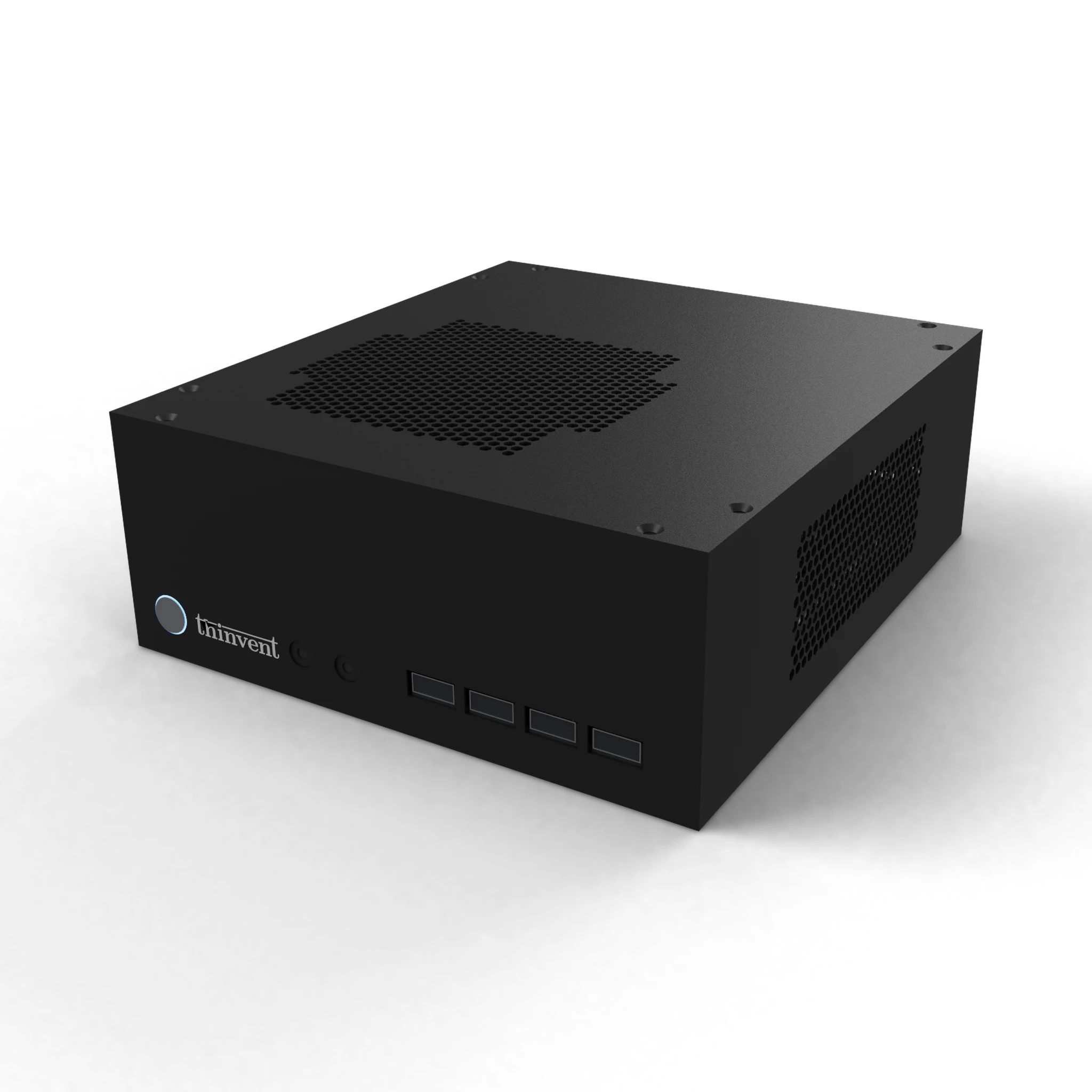
Thinvent's range of industrial-grade mini PCs are perfectly suited for building robust, reliable NAS systems. Our fanless designs ensure silent, maintenance-free operation ideal for always-on environments. Models like the Aero Mini PC, powered by efficient Intel processors, provide the perfect balance of performance and low power consumption. With support for various operating systems—including Linux distributions favored for NAS software—and options for ample RAM and storage, you can customize a Thinvent device to be the powerful, compact heart of your network storage solution. Their rugged build quality and global support make them a dependable choice for critical data storage tasks.