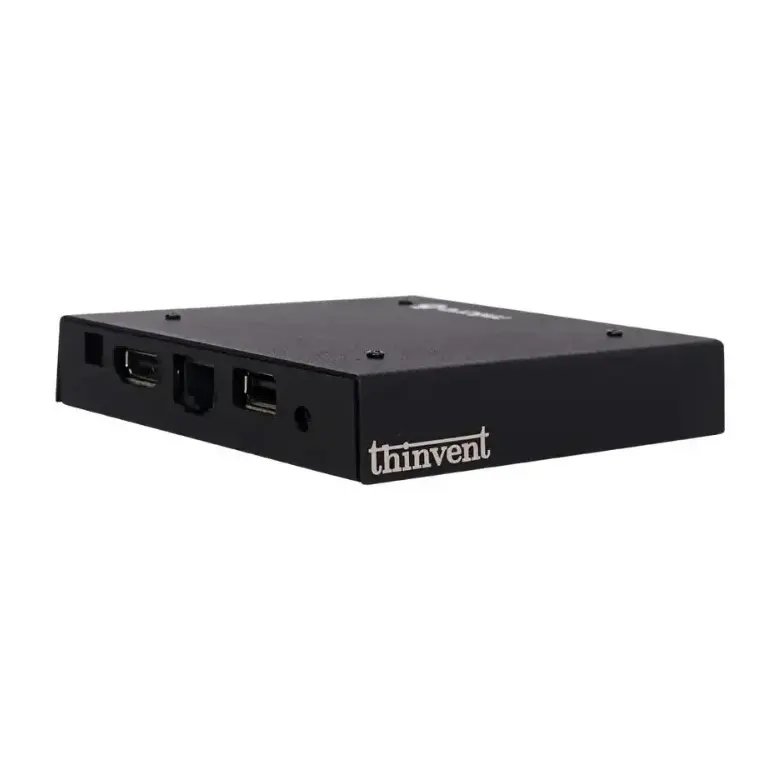
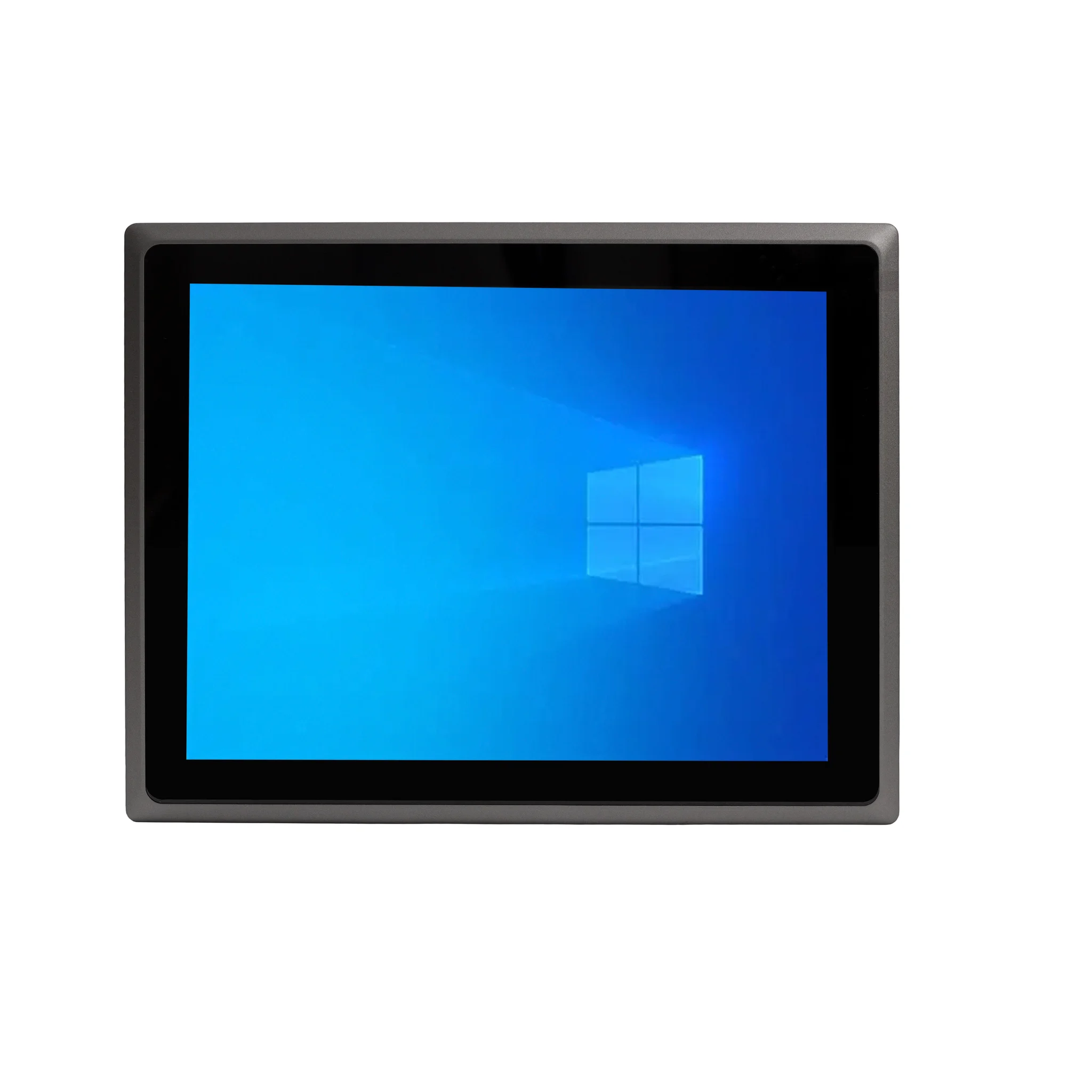
ARK-2230L-U0A2E ਕੀ ਹੈ?
ARK-2230L-U0A2E ਇੱਕ Advantech ਬਾਕਸ PC ਹੈ, ਜੋ 2.0 GHz 'ਤੇ ਚੱਲਣ ਵਾਲੇ Intel Celeron J1900 ਕੁਆਡ-ਕੋਰ ਸਿਸਟਮ-ਆਨ-ਚਿੱਪ (SoC) 'ਤੇ ਅਧਾਰਤ ਹੈ। ਇਹ ਇੱਕ ਮਾਡਿਊਲਰ ਅਤੇ ਫੈਨਲੈੱਸ ਐਂਬੈਡਿਡ ਕੰਪਿਊਟਰ ਹੈ। ਇਸ ਵਿੱਚ ਦੋ ਸੁਤੰਤਰ ਡਿਸਪਲੇਅ ਲਈ VGA ਅਤੇ HDMI ਆਉਟਪੁੱਟ, ਇੱਕ ਲਾਕ ਹੋਣ ਯੋਗ 12V DC ਪਾਵਰ ਜੈਕ, ਅਤੇ ਆਲ-ਇਨ-ਵਨ ਆਰਡਰਿੰਗ ਲਈ 9-36V ਪਾਵਰ ਮਾਡਿਊਲ ਵਿਕਲਪ ਹੈ। ਇਹ -20 ਤੋਂ 60 °C ਤੱਕ ਕੰਮ ਕਰਦਾ ਹੈ। SIM ਹੋਲਡਰ ਵਾਲਾ Mini PCIe ਸਲਾਟ ਕਮਿਊਨੀਕੇਸ਼ਨ ਮਾਡਿਊਲਾਂ ਨੂੰ ਸਪੋਰਟ ਕਰਦਾ ਹੈ।
ਮੁੱਖ ਵਿਸ਼ੇਸ਼ਤਾਵਾਂ
-
ਪ੍ਰੋਸੈਸਰ: Intel Celeron J1900, ਕੁਆਡ ਕੋਰ, 2.0 GHz
-
ਡਿਸਪਲੇਅ ਆਉਟਪੁੱਟ: VGA ਅਤੇ HDMI, ਦੋਹਰਾ ਸੁਤੰਤਰ ਡਿਸਪਲੇਅ
-
ਪਾਵਰ ਇਨਪੁੱਟ: ਲਾਕ ਹੋਣ ਯੋਗ 12V DC ਜੈਕ; 9-36V ਪਾਵਰ ਮਾਡਿਊਲ ਉਪਲਬਧ
-
ਓਪਰੇਟਿੰਗ ਤਾਪਮਾਨ: -20 ਤੋਂ 60 °C
-
ਐਕਸਪੈਨਸ਼ਨ: SIM ਹੋਲਡਰ ਵਾਲਾ Mini PCIe
-
ਡਿਜ਼ਾਈਨ: ਫੈਨਲੈੱਸ
ਆਮ ਵਰਤੋਂ
ARK-2230L-U0A2E ਵਰਗੇ ਫੈਨਲੈੱਸ ਐਂਬੈਡਿਡ ਬਾਕਸ ਉੱਥੇ ਵਰਤੇ ਜਾਂਦੇ ਹਨ ਜਿੱਥੇ ਇੱਕ ਸੀਲਬੰਦ, ਪੱਖੇ-ਰਹਿਤ ਐਨਕਲੋਜ਼ਰ ਦੀ ਲੋੜ ਹੁੰਦੀ ਹੈ। ਆਮ ਵਰਤੋਂ ਵਿੱਚ ਮਸ਼ੀਨ ਕੰਟਰੋਲ, ਡਿਜੀਟਲ ਸਾਈਨੇਜ, ਕਿਓਸਕ ਅਤੇ ਫੈਕਟਰੀ ਮਾਨੀਟਰਿੰਗ ਸ਼ਾਮਲ ਹਨ। ਵਿਸ਼ਾਲ ਤਾਪਮਾਨ ਰੇਂਜ ਵਿੱਚ ਕੰਮ ਕਰਨਾ ਕੈਬਿਨੇਟਾਂ ਅਤੇ ਬਿਨਾਂ ਹਵਾਦਾਰੀ ਵਾਲੀਆਂ ਇੰਸਟਾਲੇਸ਼ਨਾਂ ਲਈ ਢੁਕਵਾਂ ਹੈ।
ਪ੍ਰੋਸੈਸਰਾਂ ਦੀ ਤੁਲਨਾ
| Feature | Intel Celeron J1900 | Intel Core i3-1215U | Intel Core i5-1240P |
|---|---|---|---|
| Cores | 4 | 6 | 12 |
| Max frequency | 2.0 GHz | 4.4 GHz | 4.4 GHz |
| Cache | Not stated in source facts | 10 MB | 12 MB |
Thinvent ਦੇ ਬਦਲ
Thinvent ਰੇਂਜ ਵਿੱਚ Intel Celeron J1900 ਸ਼ਾਮਲ ਨਹੀਂ ਹੈ। ਇਸੇ ਤਰ੍ਹਾਂ ਦੀਆਂ ਲੋੜਾਂ ਲਈ, Thinvent ਕੋਲ ਹੈ:
-
Thinvent Industrial PC IPC3 (Intel Core i3-1215U, 8GB RAM, 256GB SSD, Ubuntu Linux): 12V 7A ਅਡੈਪਟਰ ਅਤੇ Ubuntu Linux ਵਾਲਾ ਇੱਕ ਉਦਯੋਗਿਕ PC।
-
Thinvent Industrial PC IPC5 (Intel Core i5-1240P, 16GB RAM, 512GB SSD, Windows 11 IoT Value): 12V 7A ਅਡੈਪਟਰ ਵਾਲਾ ਇੱਕ ਉਦਯੋਗਿਕ PC।
-
Thinvent Micro 5R Thin Client (ARM Cortex A53, 4 ਕੋਰ, 2.0 GHz, 2GB RAM, 16GB eMMC, WiFi 6 ਅਤੇ Bluetooth, HDMI 2.0): ਇੱਕ ਸੰਖੇਪ ਥਿਨ ਕਲਾਇੰਟ।
-
Thinvent Treo Mini PC (Intel N5095A, 4 ਕੋਰ, 2.9 GHz, 4GB RAM, 128GB SSD, Ubuntu Linux): 12V 5A ਅਡੈਪਟਰ ਵਾਲਾ ਇੱਕ ਮਿੰਨੀ PC, WiFi ਤੋਂ ਬਿਨਾਂ।
Thinvent ਉਦਯੋਗਿਕ PC ਮੈਮੋਰੀ, ਸਟੋਰੇਜ ਅਤੇ ਕਨੈਕਟੀਵਿਟੀ ਦੇ ਵੱਖ-ਵੱਖ ਵਿਕਲਪਾਂ ਨਾਲ ਵੇਚੇ ਜਾਂਦੇ ਹਨ। ਆਪਣੀਆਂ ਪ੍ਰੋਸੈਸਿੰਗ, ਡਿਸਪਲੇਅ ਅਤੇ ਪਾਵਰ ਲੋੜਾਂ ਨਾਲ ਮੇਲ ਖਾਂਦਾ ਮਾਡਲ ਚੁਣੋ।
Intel ਪ੍ਰੋਸੈਸਰਾਂ ਵਾਲੇ Thinvent ਉਤਪਾਦ
Thinvent Intel Core ਅਤੇ Celeron ਪ੍ਰੋਸੈਸਰਾਂ ਦੇ ਨਾਲ-ਨਾਲ AMD Ryzen ਅਤੇ ARM Cortex ਪ੍ਰੋਸੈਸਰਾਂ 'ਤੇ ਅਧਾਰਤ ਉਦਯੋਗਿਕ PC, ਮਿੰਨੀ PC, ਥਿਨ ਕਲਾਇੰਟ ਅਤੇ ਆਲ-ਇਨ-ਵਨ PC ਬਣਾਉਂਦਾ ਹੈ। ਸੰਰਚਨਾਵਾਂ ਦੀ ਤੁਲਨਾ ਕਰਨ ਲਈ Thinvent ਰੇਂਜ ਬ੍ਰਾਊਜ਼ ਕਰੋ।