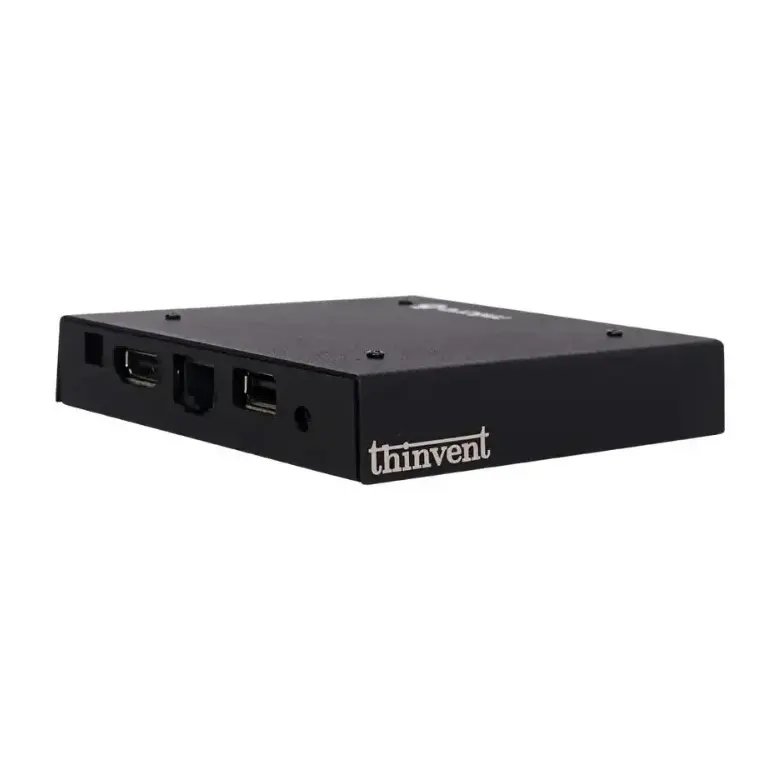
What is an ARM Desktop PC?
An ARM Desktop PC is a personal computer built around a processor architecture designed by ARM Holdings. Unlike traditional x86 processors from Intel and AMD, ARM processors are based on a Reduced Instruction Set Computing (RISC) architecture. This fundamental difference results in key advantages, most notably exceptional power efficiency, low heat generation, and often fanless, silent operation. These systems are ideal for specific workloads where consistent, low-power performance in a compact form factor is more critical than raw, peak computing power.
Key Specifications and Technical Details
ARM-based desktop PCs are characterized by their System-on-a-Chip (SoC) design, where the CPU, GPU, memory controller, and I/O are integrated into a single chip. Common specifications include multi-core ARM Cortex-A or Cortex-X series processors, integrated Mali or Adreno graphics, and support for LPDDR4/LPDDR5 memory. They typically feature multiple USB ports (including USB-C), HDMI/DisplayPort outputs, Gigabit Ethernet, and built-in Wi-Fi 6/6E and Bluetooth. A major technical benefit is their thermal design power (TDP), often ranging from 5W to 15W, which eliminates the need for active cooling in many designs, enabling completely silent operation.
Ideal Use Cases and Applications
The efficiency of ARM architecture makes these PCs perfect for always-on and embedded scenarios. Primary applications include digital signage media players, thin clients for virtual desktop infrastructure (VDI), lightweight office workstations (web browsing, document editing), network-attached storage (NAS) controllers, home theater PCs (HTPCs), and edge computing nodes for IoT deployments. Their low power draw also makes them excellent choices for kiosks, point-of-sale systems, and educational environments where reliability and minimal maintenance are priorities.
ARM vs. x86: A Quick Comparison
| Feature | ARM-Based PCs | Traditional x86 PCs (e.g., Intel/AMD) |
|---|---|---|
| Architecture | RISC (Reduced Instruction Set) | CISC (Complex Instruction Set) |
| Power Efficiency | Excellent (Very Low TDP) | Moderate to High |
| Heat Output | Very Low (Often Fanless) | Higher (Usually requires active cooling) |
| Performance Profile | Consistent, efficient per-watt | High peak performance for demanding tasks |
| Software Ecosystem | Linux, Android, some Windows 11 ARM | Full Windows, Linux, vast legacy software |
| Typical Use Case | Embedded, IoT, Thin Client, Light Desktop | General Computing, Gaming, Workstations |
Thinvent's ARM-Based Computing Solutions
While Thinvent's current portfolio prominently features efficient Intel-based systems like the Aero Mini PC with N-series processors, the principles of compact, reliable, and fanless design align perfectly with the ARM philosophy. Thinvent specializes in creating robust industrial and commercial computing solutions that prioritize durability, silent operation, and tailored configurations for specific vertical markets. For projects requiring the ultimate in power efficiency or specific ARM architecture compatibility, exploring Thinvent's custom solution capabilities is recommended. Their expertise in building systems for digital signage, thin client environments, and edge computing ensures a hardware platform optimized for stability and long-term deployment.