What is an Atrust Device?
An Atrust device is a type of secure, centrally managed thin client or endpoint computing solution. These devices are designed to connect to a central server or virtual desktop infrastructure (VDI), where all applications and data reside. The primary function is to provide a secure, reliable, and low-maintenance endpoint for users, with minimal local processing and storage to enhance security and simplify IT management.
Key Specifications and Technical Details
Atrust-class devices prioritize reliability, security, and energy efficiency. Typical specifications include fanless designs for silent, dust-resistant operation in industrial environments. They often feature low-power Intel or ARM processors, sufficient RAM for remote session connectivity (e.g., 4GB to 16GB), and minimal local SSD storage (e.g., 128GB) primarily for the operating system. Connectivity is robust, with multiple Gigabit Ethernet ports for network redundancy, and a range of display outputs like HDMI. Security is paramount, with features like TPM (Trusted Platform Module) chips, secure boot, and centralized management software that allows IT administrators to deploy, monitor, and update thousands of devices from a single console.
Use Cases and Applications
These devices are ideal for environments requiring high security, centralized control, and reliable operation. Common applications include:
-
Corporate & Financial VDI: Providing secure access to virtual desktops in banks and offices, ensuring data never leaves the data center.
-
Healthcare: Deploying at nurse stations or patient rooms for accessing Electronic Health Records (EHR) systems, offering easy sanitation and reliable uptime.
-
Education: In computer labs or libraries, allowing students to access personalized virtual desktops from any device, simplifying software deployment and maintenance.
-
Industrial & Manufacturing: As HMIs (Human-Machine Interfaces) on the factory floor, where their fanless, rugged design withstands dust, vibrations, and wide temperature ranges.
-
Call Centers: Providing agents with a consistent, secure, and easily managed workspace.
Comparison: Thin Client vs. Traditional Mini PC
| Feature | Atrust-style Thin Client | Traditional Mini PC / Desktop |
|---|---|---|
| Primary Role | Access device for remote sessions/VDI | Local processing and storage |
| Local Storage | Minimal (for OS) | Substantial (for applications & data) |
| Security Model | Centralized; data resides on server | Local; data on the device |
| Management | Centralized software, bulk updates | Individual device management |
| Total Cost of Ownership | Lower (easier maintenance, longer lifespan) | Higher (individual upgrades, repairs) |
| Ideal For | Standardized tasks, secure environments | Performance-intensive local applications |
Thinvent Solutions for Secure Endpoint Computing
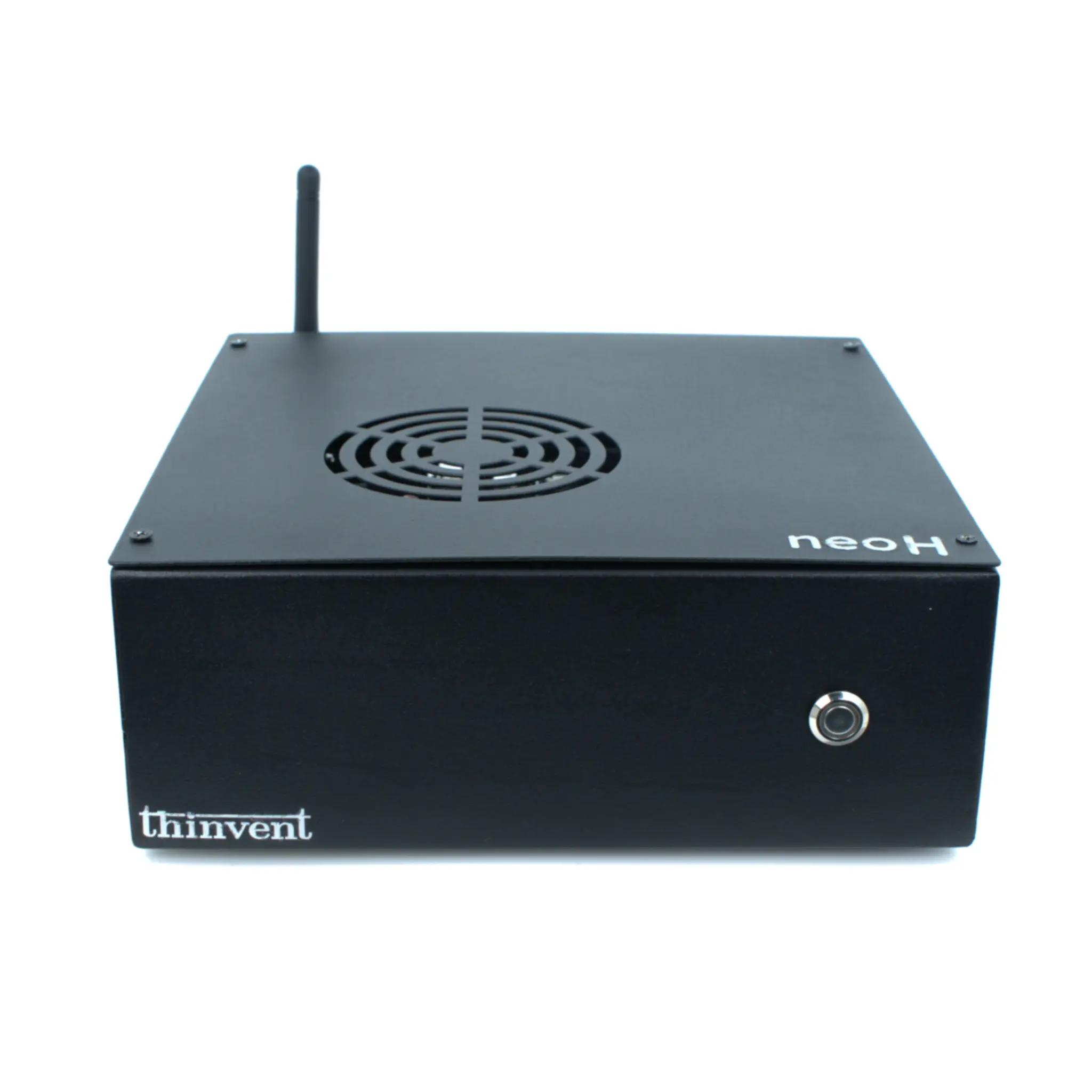
Thinvent offers a range of industrial-grade computing solutions that align with the core principles of Atrust devices—reliability, security, and manageability. Our fanless Aero Mini PC series, for example, embodies these values. Built with efficient Intel processors like the N100, these compact PCs operate silently without moving parts, making them perfect for harsh environments. They support a variety of operating systems, including Windows IoT, Windows Pro, and Linux distributions like Ubuntu, providing flexibility for different management and security protocols. With robust connectivity options and durable construction, Thinvent devices provide a solid hardware foundation for implementing secure, centrally managed endpoint strategies in any industrial or commercial setting.