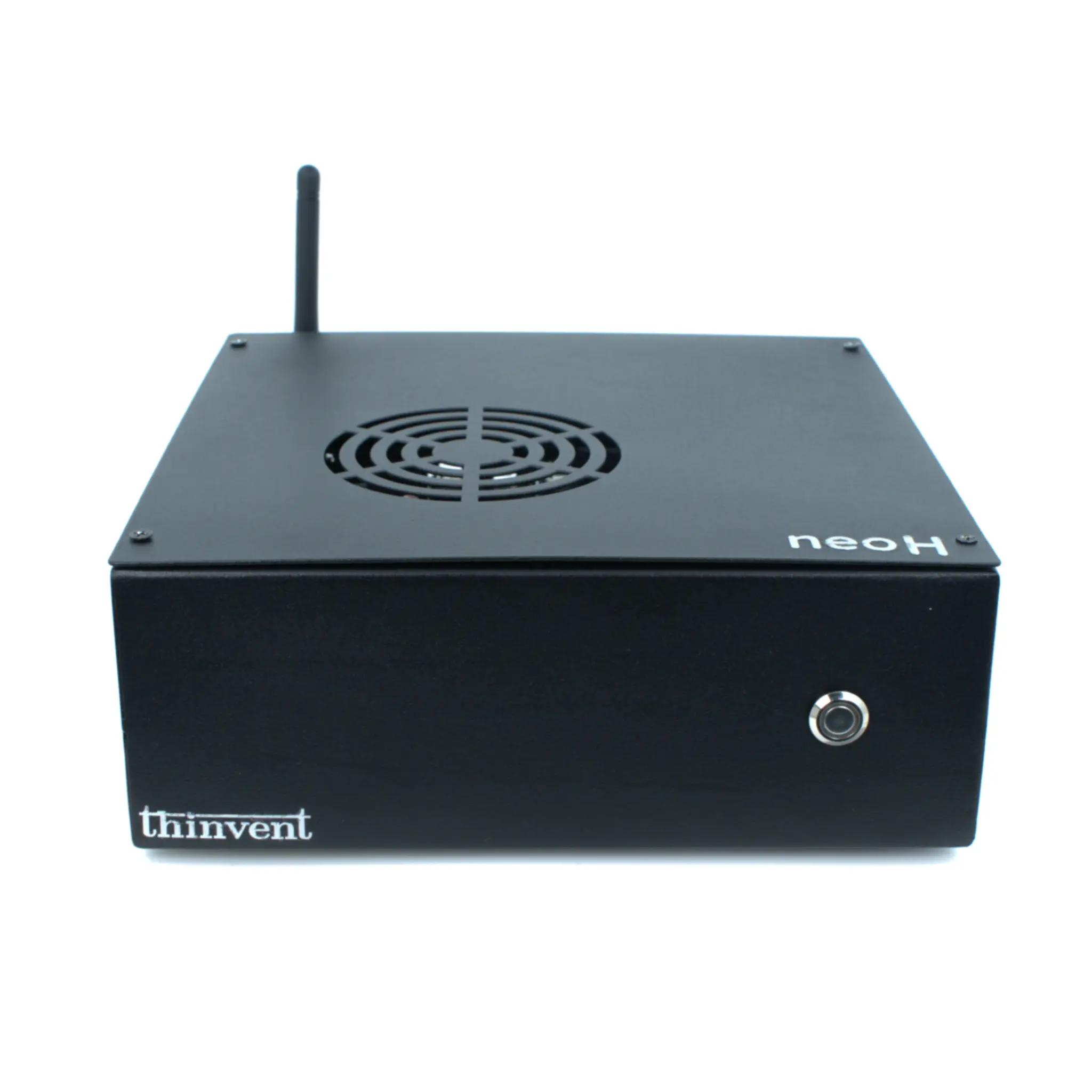
Automotive single board computers (SBCs) are compact, integrated computing platforms designed to withstand the harsh environmental conditions found in vehicles and transportation systems. These rugged SBCs are engineered for reliability, featuring wide operating temperature ranges, resistance to shock and vibration, and often fanless designs for silent, maintenance-free operation. They serve as the central processing unit for a wide array of in-vehicle applications, from infotainment and telematics to advanced driver-assistance systems (ADAS) and autonomous vehicle control modules.
Key specifications for automotive-grade SBCs prioritize durability and consistent performance. They typically utilize low-power, efficient processors from Intel or ARM architectures to manage heat in confined spaces. Critical features include industrial-grade components, extended lifecycle support, and robust I/O connectivity such as multiple Ethernet ports (often with TSN support for real-time networking), CAN bus interfaces, and a range of display outputs. Storage is frequently solid-state (eMMC or industrial SSDs) for better shock resistance, and memory is soldered or uses ruggedized modules to prevent disconnection under vibration.
The primary use cases for these computers are deeply integrated into modern automotive ecosystems.
-
In-Vehicle Infotainment (IVI): Powering touchscreen dashboards, navigation, and media systems.
-
Telematics & Fleet Management: Enabling GPS tracking, vehicle diagnostics, and driver behavior monitoring.
-
Advanced Driver-Assistance Systems (ADAS): Processing data from cameras, radar, and LiDAR for features like lane-keeping and collision avoidance.
-
Autonomous Vehicle Research: Providing a scalable, rugged compute platform for prototyping and testing self-driving algorithms.
-
Commercial Vehicle Systems: Managing digital signage, passenger information, and ticketing in buses and trains.
When selecting a rugged SBC for automotive use, key decision factors include processing power, thermal design, and environmental certifications.
| Feature | Importance for Automotive | Typical Specification Range |
|---|---|---|
| Operating Temperature | Critical for engine bay or external mounting | -40°C to 85°C or wider |
| Power Input | Must handle vehicle electrical noise and surges | 9-36V DC wide-range input |
| Shock & Vibration | Essential for moving vehicles | MIL-STD-810G or similar certification |
| Processor | Balances performance with power/heat | Intel Core i3/i5, Intel N-series, ARM Cortex-A |
| Connectivity | For sensors, networks, and displays | Multiple Ethernet, CAN bus, USB, HDMI/DP |
Thinvent Rugged Computing Solutions for Automotive
Thinvent offers a range of industrial-grade computing solutions that embody the rugged principles required for automotive and transportation applications. Our Industrial PC (IPC) series, such as the IPC5 with Intel Core i5 processors and the IPC1/IPC3 with efficient Intel N-series and Core i3 CPUs, are built for demanding environments. These systems feature robust metal enclosures, wide operating temperature ranges, and fanless designs where applicable, ensuring reliable operation in vehicles subject to temperature extremes and constant vibration.
For space-constrained applications, our Mini PC lines, including the Aero and Treo series, provide powerful Intel processing in compact, passively cooled form factors. These units are ideal for embedding into dashboards or control consoles. For lower-power, always-on telematics or gateway functions, our ARM-based Micro series thin clients offer extreme efficiency and reliability with soldered memory and storage. Across all product lines, Thinvent focuses on longevity, component quality, and flexible I/O configurations to meet the specific integration needs of automotive system designers, providing a dependable computing foundation for the next generation of vehicle technology.