What Are Compact Mini PCs?
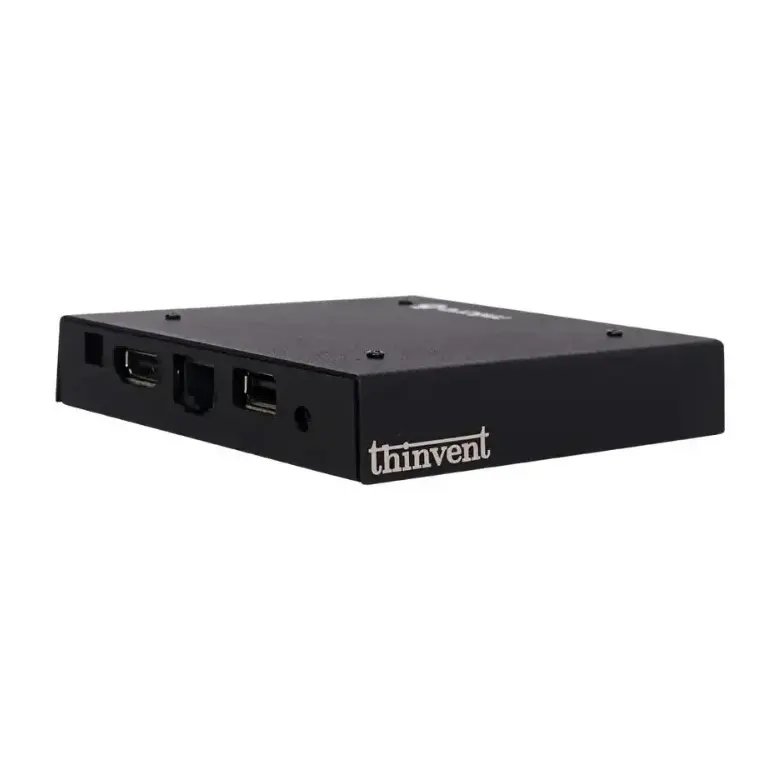
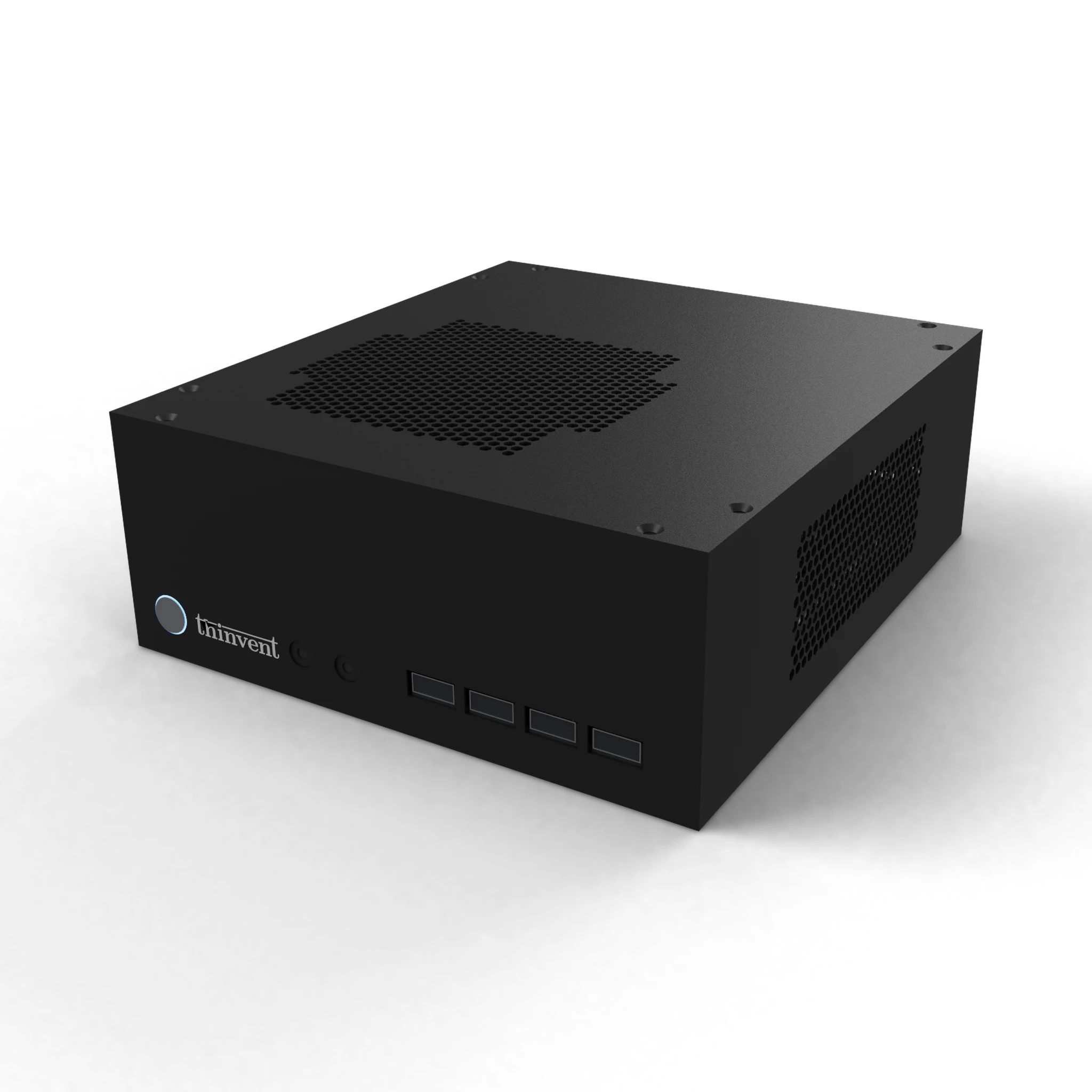
Compact Mini PCs are small-form-factor computers designed to deliver essential computing power while occupying minimal desk space. They are ideal for environments where a traditional desktop tower is impractical but full functionality is required. These systems typically feature low-power, efficient processors, integrated graphics, and solid-state storage, offering a balance of performance, energy efficiency, and quiet operation. They serve as versatile solutions for a wide range of computing needs, from basic tasks to more demanding business applications.
Key Specifications and Technical Details
The performance of a compact Mini PC is defined by its core components. Processors range from energy-efficient ARM-based chips, like the ARM Cortex A53/A55, to more powerful Intel Core and Intel Processor N-series CPUs. Memory configurations typically start at 2GB for basic thin clients and scale up to 16GB DDR4 for performance models. Storage is primarily handled by eMMC modules (16GB-64GB) for lightweight OS deployments or faster SATA/NVMe SSDs (128GB-512GB) for general-purpose computing. Connectivity is a strong suit, with most models featuring HDMI outputs, USB ports, and options for dual-band Wi-Fi. Their compact size is often complemented by VESA mount compatibility for discreet placement behind monitors.
Ideal Use Cases and Applications
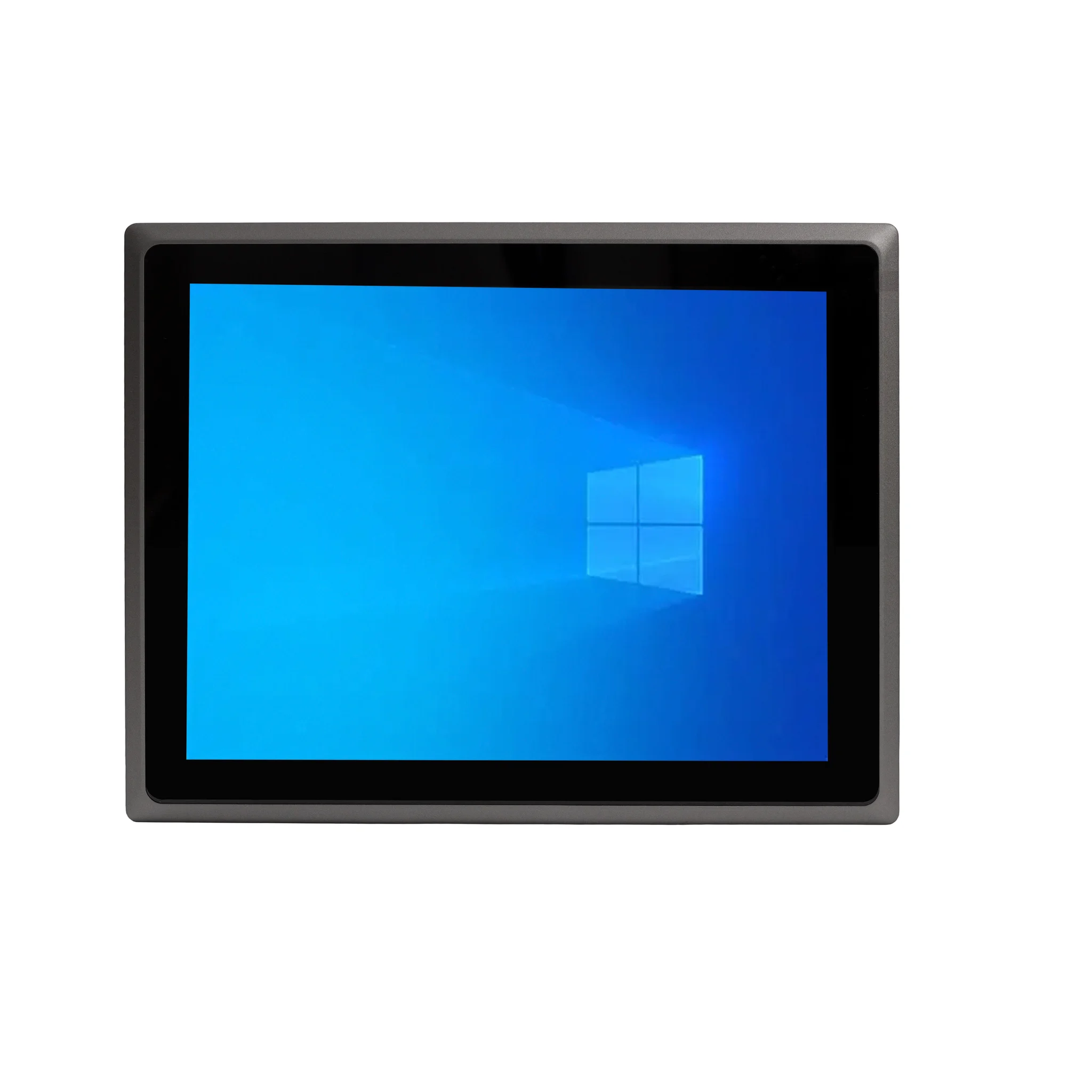
These compact systems excel in specific scenarios. For Home Use, they are perfect as media centers for streaming, lightweight family computers for web browsing and homework, or compact gaming consoles for cloud gaming services. In an Office Environment, they are ideal for general productivity tasks, digital signage, point-of-sale (POS) terminals, and as thin clients for virtual desktop infrastructure (VDI). Their fanless or quiet fan designs make them suitable for noise-sensitive areas like libraries, reception desks, and classrooms. The industrial-grade models are built for 24/7 operation in kiosks, control panels, and other embedded applications.
Comparison of Compact Mini PC Types
| Feature | ARM-Based Thin Clients (e.g., Micro Series) | Intel N-Series Mini PCs (e.g., Treo, IPC1) | Intel Core Mini PCs (e.g., Aero, IPC Series) |
|---|---|---|---|
| Best For | Lightweight computing, VDI, digital signage | Everyday productivity, home office, light business apps | Demanding office workloads, multitasking, business software |
| Processor | ARM Cortex (A53/A55), 4 cores, up to 2.0 GHz | Intel Processor N100, 4 cores, up to 3.4 GHz | Intel Core i3/i5 (12th/14th Gen), 6-12 cores, up to 5.0 GHz |
| Typical RAM | 2GB - 4GB Onboard | 4GB DDR4 | 8GB - 16GB DDR4 |
| Typical Storage | 16GB - 64GB eMMC | 128GB SSD | 256GB - 512GB SSD |
| Power Draw | Very Low (5V/2A) | Low (12V/5A) | Moderate (12V/7A) |
| OS | Thinux™ Embedded Linux, Ubuntu Linux | Thinux™, Ubuntu Linux, Windows 11 IoT | Windows 11 Pro, Ubuntu Linux |
Thinvent's Range of Compact Mini PCs
Thinvent offers a comprehensive portfolio of compact Mini PCs engineered for reliability and diverse use cases. Our Micro Series provides ultra-efficient, fanless thin clients powered by ARM processors, perfect for cost-effective and secure endpoint solutions. The Treo and IPC1 models feature the capable Intel N100 processor, delivering a great balance of performance and power efficiency for everyday computing. For demanding home and office tasks, our Aero and IPC Series are powered by Intel Core i3 and i5 processors, offering robust performance for business software, multitasking, and creative applications. All Thinvent systems are built with industrial-grade components, ensuring stable operation in various environments, from the living room to the factory floor.