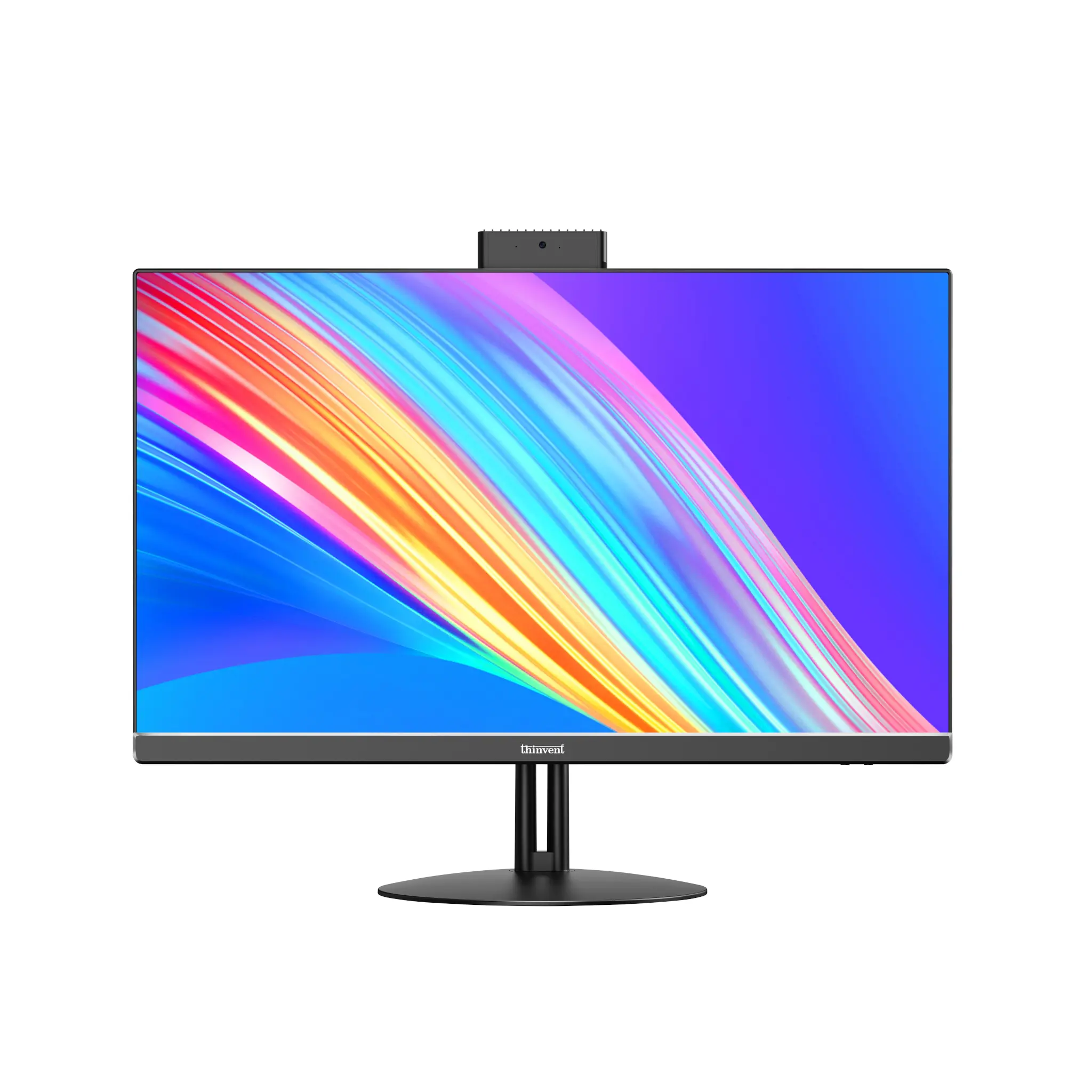
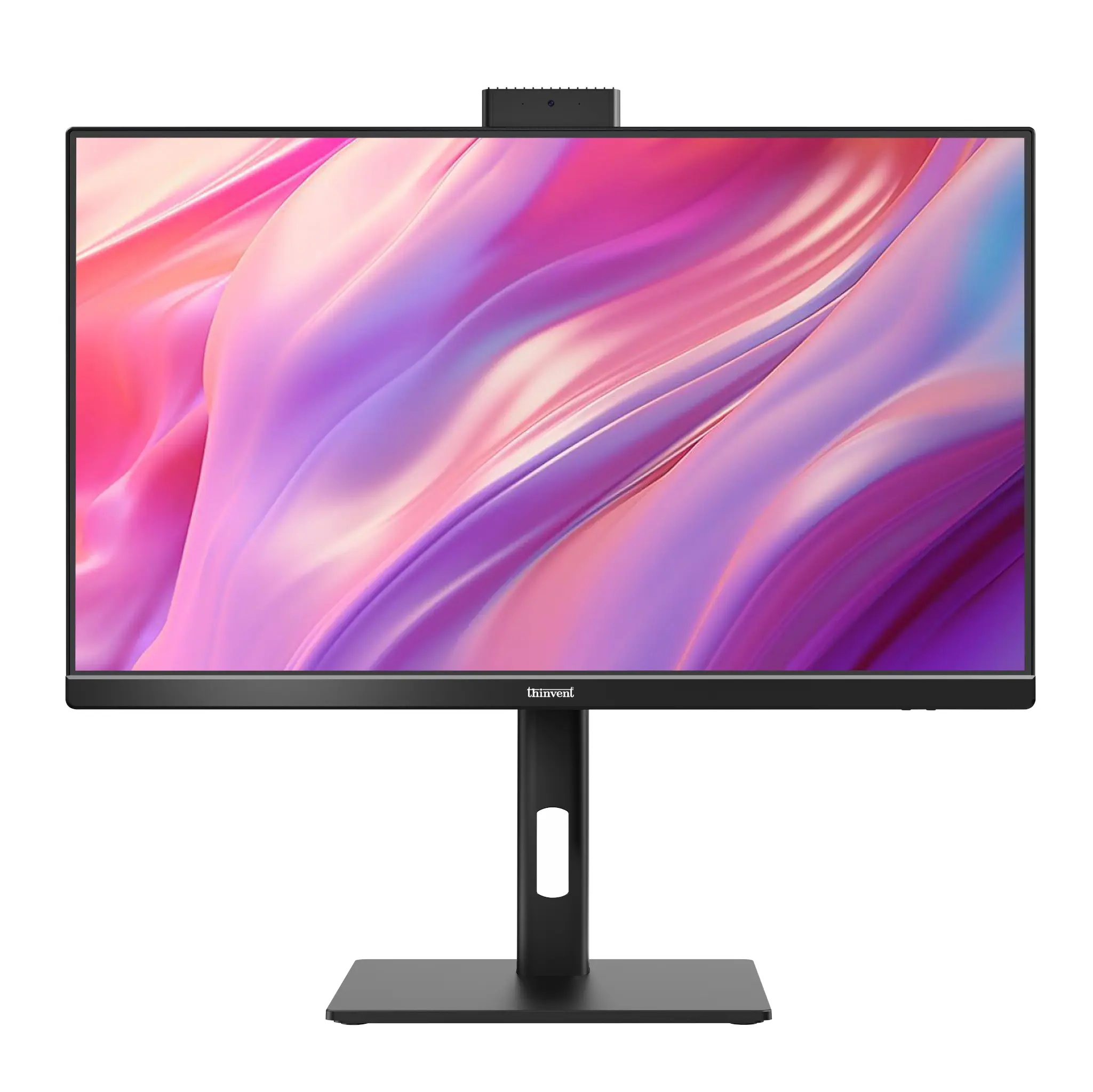
இந்த தேடலில் உள்ள BenQ டெஸ்க்டாப் கணினி ஒரு பேனல் PC ஆகும். இதில் Intel Core i5 செயலி, அதிகபட்சம் 16 GB RAM மற்றும் 512 GB சேமிப்பகம் உள்ளது, இது Windows 11 Pro இல் இயங்குகிறது. Thinvent இல் மிக நெருக்கமான மாற்று Intel Core 5 120U உடன் கூடிய Thinvent PPC15 Industrial Panel PC ஆகும். இதுவும் Intel i5 செயலியைப் பயன்படுத்துகிறது மற்றும் Windows 11 Pro இல் இயங்குகிறது. Thinvent இன் PPC15 வரிசை 32 GB RAM மற்றும் 2 TB சேமிப்பகம் வரை செல்கிறது.
BenQ டெஸ்க்டாப் கணினி எதிர் Thinvent PPC15 Panel PC
| BenQ Desktop Computer | Thinvent PPC15, Intel Core 5 120U | Thinvent PPC15, Intel Core Ultra 5 125U | |
|---|---|---|---|
| Processor | Intel Core i5 (12th Gen) | Intel Core 5 120U | Intel Core Ultra 5 125U |
| Cores/Threads | Up to 10 cores | 10 cores, up to 5.0 GHz | 12 cores, up to 4.3 GHz |
| RAM | Up to 16 GB | 8 GB | Up to 32 GB |
| Storage | Up to 512 GB | 2 TB SSD | 2 TB SSD |
| Form Factor | Panel PC | Panel PC, 15 inch | Panel PC, 15 inch |
| Operating System | Windows 11 Pro | Windows 11 Pro (also Windows 11 IoT Value, Ubuntu Linux, Thinux Embedded Linux, DOS, or without OS) | Windows 11 Pro (also Windows 11 IoT Value, Ubuntu Linux, Thinux Embedded Linux, DOS, or without OS) |
முக்கிய வேறுபாடுகள்
-
Core Ultra 5 125U உடன் கூடிய Thinvent PPC15 அதிகபட்சம் 32 GB RAM ஐ ஆதரிக்கிறது, இது BenQ டெஸ்க்டாப் கணினியின் அதிகபட்சமான 16 GB ஐ விட இரு மடங்கு ஆகும்.
-
Thinvent PPC15 அதிகபட்சம் 2 TB SSD சேமிப்பகத்தை வழங்குகிறது, ஆனால் BenQ டெஸ்க்டாப் கணினியின் அதிகபட்சம் 512 GB ஆகும்.
-
Thinvent PPC15 மின்விசிறி இல்லாதது, செயலற்ற குளிர்விப்பு முறையுடன் வருகிறது, IP65 ingress protection மதிப்பீடு கொண்டது, அலுமினிய ஹவுசிங் உடையது.
-
Thinvent PPC15 இல் இரண்டு Ethernet போர்ட்கள், டூயல் LAN, 1000 Mbps Ethernet உள்ளன, மேலும் டூயல் பேண்ட் Wi-Fi 5 அல்லது Wi-Fi இல்லாமல் தேர்வு செய்யலாம்.
-
Thinvent PPC15 இல் Ubuntu Linux மற்றும் Thinux Embedded Linux உட்பட ஆறு இயக்க முறைமைகளில் இருந்து வாங்குபவர் தேர்வு செய்யலாம்.
-
BenQ டெஸ்க்டாப் கணினியில் 10 கோர்களுடன் கூடிய Intel i5 12th Gen செயலி உள்ளது, ஆனால் Thinvent Core 5 120U இன் அதிகபட்ச அதிர்வெண் அதிகம், 5.0 GHz.
-
BenQ டெஸ்க்டாப் கணினியின் இணைப்புத் திறன், டிஸ்ப்ளே தெளிவுத்திறன் அல்லது IP மதிப்பீட்டை எங்களால் உறுதிப்படுத்த முடியவில்லை.
நீங்கள் எதைத் தேர்வு செய்ய வேண்டும்?
Intel i5 மற்றும் முன்கூட்டியே நிறுவப்பட்ட Windows 11 Pro கொண்ட BenQ பேனல் PC தேவைப்பட்டால், BenQ டெஸ்க்டாப் கணினியைத் தேர்வு செய்யுங்கள். அதிக RAM, அதிக சேமிப்பகம், IP65 பாதுகாப்புடன் கூடிய மின்விசிறி இல்லாத தொழில்துறை வடிவமைப்பு, அல்லது Linux அல்லது பிற இயக்க முறைமைகளின் தேர்வு தேவைப்பட்டால், Thinvent PPC15 ஐத் தேர்வு செய்யுங்கள்.