What is the Best Computer for Architecture Rendering?
The best computer for architecture rendering is a high-performance workstation built for intensive computational tasks. It requires a powerful multi-core processor, substantial RAM, fast storage, and a capable graphics solution to handle complex 3D modeling, real-time visualization, and final photorealistic renderings efficiently. Unlike standard office PCs, rendering workstations must balance raw CPU power for calculation-heavy tasks with robust thermal management for sustained performance during long render jobs.
Key Specifications for Rendering Workstations
For professional architectural rendering, focus on these core technical specifications:
-
Processor (CPU): A modern, high-core-count CPU is critical. Intel Core i5, i7, or i9 processors from the 12th generation or newer are recommended. More cores and threads allow for faster rendering times in CPU-based engines like V-Ray CPU or Corona Renderer.
-
Memory (RAM): 32GB is a practical starting point for complex projects. For large-scale models, detailed textures, and multitasking with other applications, 64GB or more is advisable to prevent slowdowns and crashes.
-
Storage (SSD): A fast NVMe SSD (512GB minimum, 1TB or more preferred) is essential for quick loading of applications, project files, and texture libraries. It drastically reduces scene load times and improves overall system responsiveness.
-
Graphics (GPU): While some rendering is CPU-based, a dedicated GPU accelerates viewport performance in software like AutoCAD, Revit, and SketchUp, and is mandatory for GPU-based rendering engines like V-Ray GPU, Octane, or Blender Cycles. Look for professional or high-end consumer graphics cards.
-
Cooling & Reliability: Industrial-grade, fanless cooling systems are ideal. They ensure silent operation, prevent dust ingress, and provide consistent thermal performance without throttling, which is crucial for render farms or 24/7 operational environments.
Applications and Use Cases
These specialized computers are used across the architecture, engineering, and construction (AEC) industry:
-
3D Modeling & Design: Running software such as Autodesk Revit, AutoCAD, ArchiCAD, and SketchUp Pro.
-
Real-Time Visualization: Utilizing Unreal Engine or Twinmotion for client presentations and virtual walkthroughs.
-
Photorealistic Rendering: Executing final renders with engines like V-Ray, Corona Renderer, Lumion, and Enscape.
-
BIM (Building Information Modeling) Coordination: Managing large, collaborative project files that demand high memory bandwidth and processing power.
Comparison of Rendering Approaches
| Feature | CPU-Based Rendering | GPU-Based Rendering |
|---|---|---|
| Primary Hardware | Multi-core Processor (CPU) | Dedicated Graphics Card (GPU) |
| Typical Use | Final, high-quality renders; complex simulations | Real-time previews; interactive rendering |
| Performance Driver | Core/Thread Count & Clock Speed | VRAM Size & CUDA/RT Core Count |
| Best For | Architectural studios using V-Ray CPU, Corona | Firms utilizing real-time engines like Unreal, Enscape |
Thinvent Industrial PCs for Rendering
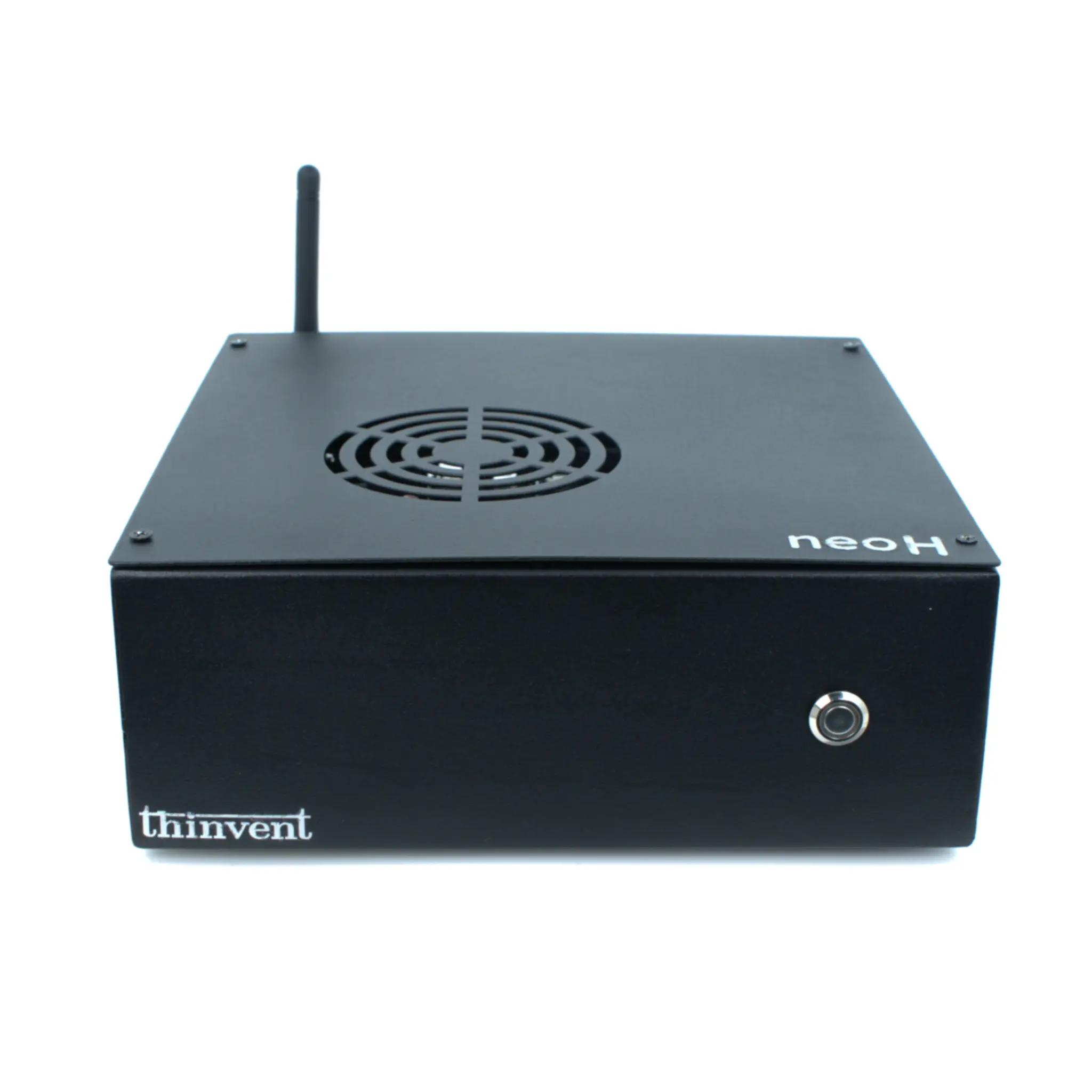
Thinvent offers a range of robust industrial computing solutions that form an excellent foundation for architectural rendering workstations. While the sample products on this page are entry-level units suitable for light design tasks or as client terminals, our broader product portfolio includes high-performance configurations. For demanding rendering workloads, we recommend exploring our industrial PCs equipped with Intel Core i5 and i7 processors (12th/13th/14th Generation), support for 32GB+ of RAM, and multiple high-speed NVMe SSD slots. Their fanless, rugged designs ensure reliable, maintenance-free operation in studio environments, making them a dependable choice for integrating with powerful external GPUs to create a complete, high-performance rendering solution.