What Makes a Great Computer for Coding?
The best computer for coding and programming balances processing power, memory, and storage to handle development environments, compilers, and virtual machines efficiently. Key specifications include a modern multi-core processor (Intel i5/i3 or equivalent), sufficient RAM (16GB minimum for modern development), and fast SSD storage. For professional developers, features like multiple monitor support, robust connectivity, and reliable, fanless operation are also critical for sustained productivity.
Key Specifications for Development Workstations
For a seamless coding experience, prioritize these technical details:
-
Processor: A modern multi-core CPU (e.g., Intel Core i5 or i3, 12th Gen or newer) ensures quick compilation and smooth operation of IDEs.
-
Memory (RAM): 16GB is the recommended starting point for most development stacks, with 32GB or more ideal for running containers, virtual machines, or memory-intensive applications.
-
Storage: A fast SSD (256GB minimum, 512GB or 1TB recommended) drastically reduces project load times and system responsiveness.
-
Connectivity: Multiple display outputs (HDMI, USB-C) are essential for a multi-monitor setup. Gigabit Ethernet and multiple USB 3.2 ports ensure fast data transfer and peripheral connectivity.
-
Reliability: Fanless, industrial-grade cooling eliminates dust intrusion and moving part failures, providing silent, 24/7 operation perfect for focused development work.
Ideal Use Cases and Applications
These high-performance industrial computers are engineered for demanding technical environments:
-
Software Development: Running IDEs like Visual Studio, IntelliJ, or Eclipse.
-
DevOps & Containerization: Local testing with Docker and Kubernetes clusters.
-
Embedded Systems Programming: Cross-compilation and testing for IoT and edge devices.
-
Data Science & AI: Prototyping scripts and running local models with Python/R environments.
-
Web Development: Hosting local servers, databases, and using modern front-end toolchains.
Comparison of Processor Tiers for Development
| Processor Tier | Typical Series/Model | Ideal For | Recommended RAM | Notes |
|---|---|---|---|---|
| Entry-Level | Intel N-Series (N100, N95) | Lightweight scripting, web dev, learning | 8GB - 16GB | Energy-efficient, fanless, cost-effective for basic tasks. |
| Mid-Range | Intel Core i3 / i5 (12th/13th Gen) | Full-stack development, VMs, moderate compiling | 16GB - 32GB | Excellent balance of performance and power for most professional developers. |
| High-Performance | Intel Core i5/i7 (13th/14th Gen) | Game dev, data science, heavy compilation, multiple VMs | 32GB - 64GB | Maximum performance for compute-intensive development workflows. |
Thinvent Computers for Professional Developers
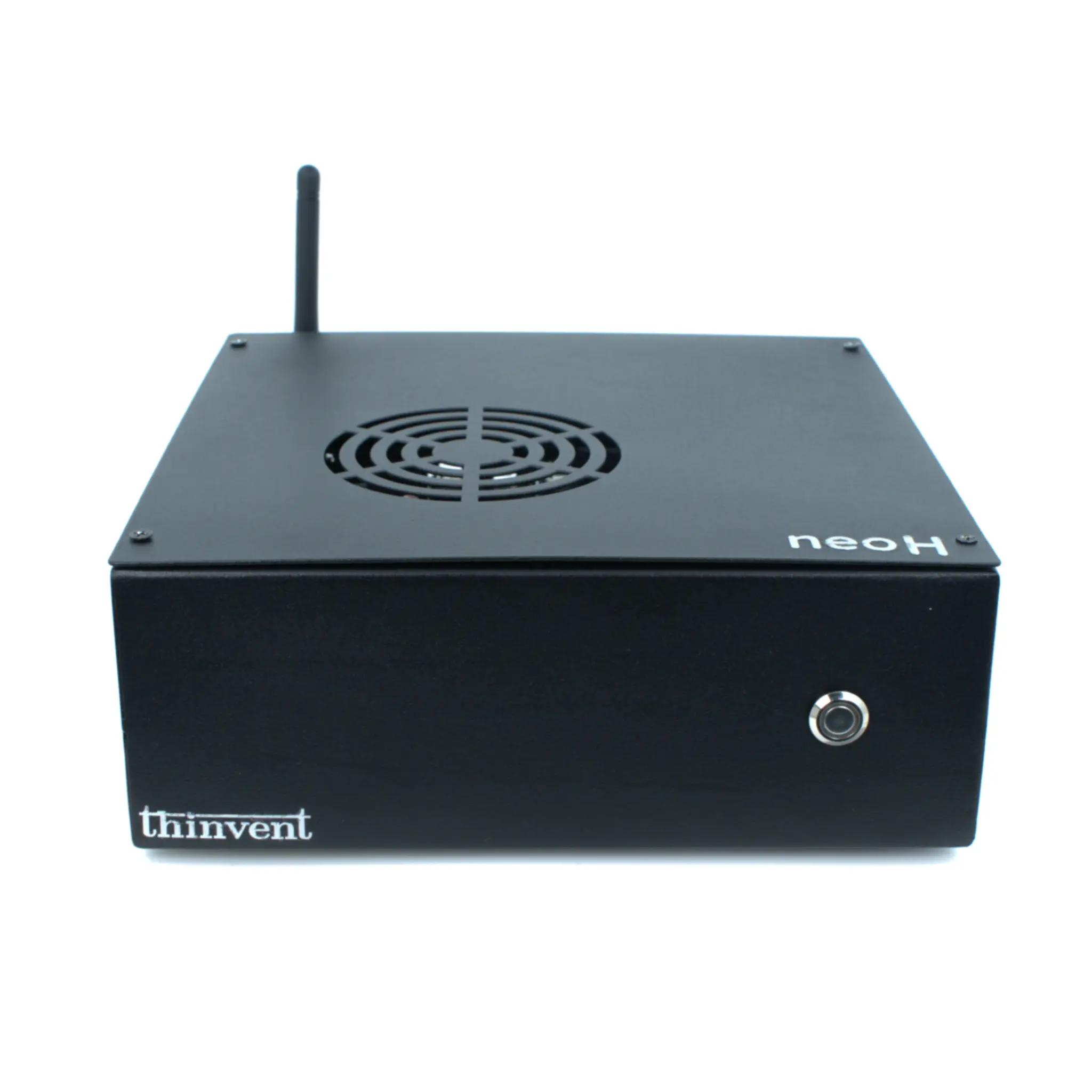
Thinvent's range of industrial-grade computers provides the perfect foundation for a reliable and powerful coding workstation. Our fanless Mini PCs and compact Industrial PCs are built with the durability required for 24/7 operation, ensuring your development environment is always available. Featuring the latest Intel processors, configurable high-speed RAM and SSD options, and a choice of operating systems (including Windows 11 Pro and Ubuntu Linux), you can tailor a system to your exact development stack. Explore our selection to find a silent, robust, and high-performance computer that accelerates your coding projects.