Best Computers For Designing: A Technical Overview
For design professionals, the "best" computer is one that balances raw processing power, reliable graphics performance, and system stability to handle demanding applications like CAD, 3D modeling, graphic design, and architectural visualization. Unlike standard consumer PCs, industrial-grade computers are engineered for 24/7 operation in challenging environments, offering superior durability, consistent performance under load, and often fanless, silent cooling—critical for focused design work. Key specifications to prioritize include a high-core-count CPU (Intel Core i5/i7 or equivalent), ample RAM (16GB+), fast SSD storage, and robust thermal management.
Key Specifications for Design Workloads
Design software places specific demands on hardware. A multi-core processor with high clock speeds (e.g., up to 5.0 GHz) accelerates rendering and complex calculations. Sufficient RAM (8GB minimum, 16GB+ recommended) ensures smooth multitasking with large files. Fast NVMe or SATA SSD storage drastically reduces file load and save times. While dedicated GPUs are ideal for high-end 3D work, modern integrated Intel Iris Xe or UHD Graphics can capably handle 2D CAD, graphic design, and moderate 3D tasks. Industrial PCs often forgo discrete GPUs to maintain a compact, fanless form factor, prioritizing reliability over peak graphical performance.
Applications and Use Cases
These high-performance industrial computers are deployed across various design disciplines:
-
CAD & Engineering: Running software like AutoCAD, SolidWorks, and Revit for mechanical, electrical, and civil design.
-
Digital Content Creation: Handling Adobe Creative Suite (Photoshop, Illustrator, InDesign) and video editing software.
-
Architectural Visualization: Powering BIM software and real-time rendering applications.
-
Industrial Design & Prototyping: Used in product design workflows and digital mockups. Their rugged, fanless builds make them perfect for integration into design studios, manufacturing floors, or field offices where dust, vibration, or noise could be an issue with standard PCs.
System Comparison for Design Tasks
| Use Case | Recommended CPU (Example) | Recommended RAM | Recommended Storage | Ideal Thinvent Series |
|---|---|---|---|---|
| Entry-Level 2D CAD / Graphic Design | Intel N100 / Core i3 (4-6 Cores) | 8GB DDR4 | 256GB SSD | Treo, IPC1, IPC3 |
| Mainstream 3D CAD / Moderate Rendering | Intel Core i5 (10-12 Cores) | 16GB DDR4 | 512GB SSD | Aero, IPC5 |
| Advanced Design & Multitasking | Intel Core i5/i7 (12+ Cores, High Clock) | 16GB+ DDR4 | 512GB+ SSD | IPC5, Aero (High-End) |
| Digital Signage / Light Design Kiosks | ARM Cortex A55 / Intel N100 | 4GB RAM | 64-128GB Storage | Micro 6 Pro, Treo |
Thinvent's Industrial Computers for Design Professionals
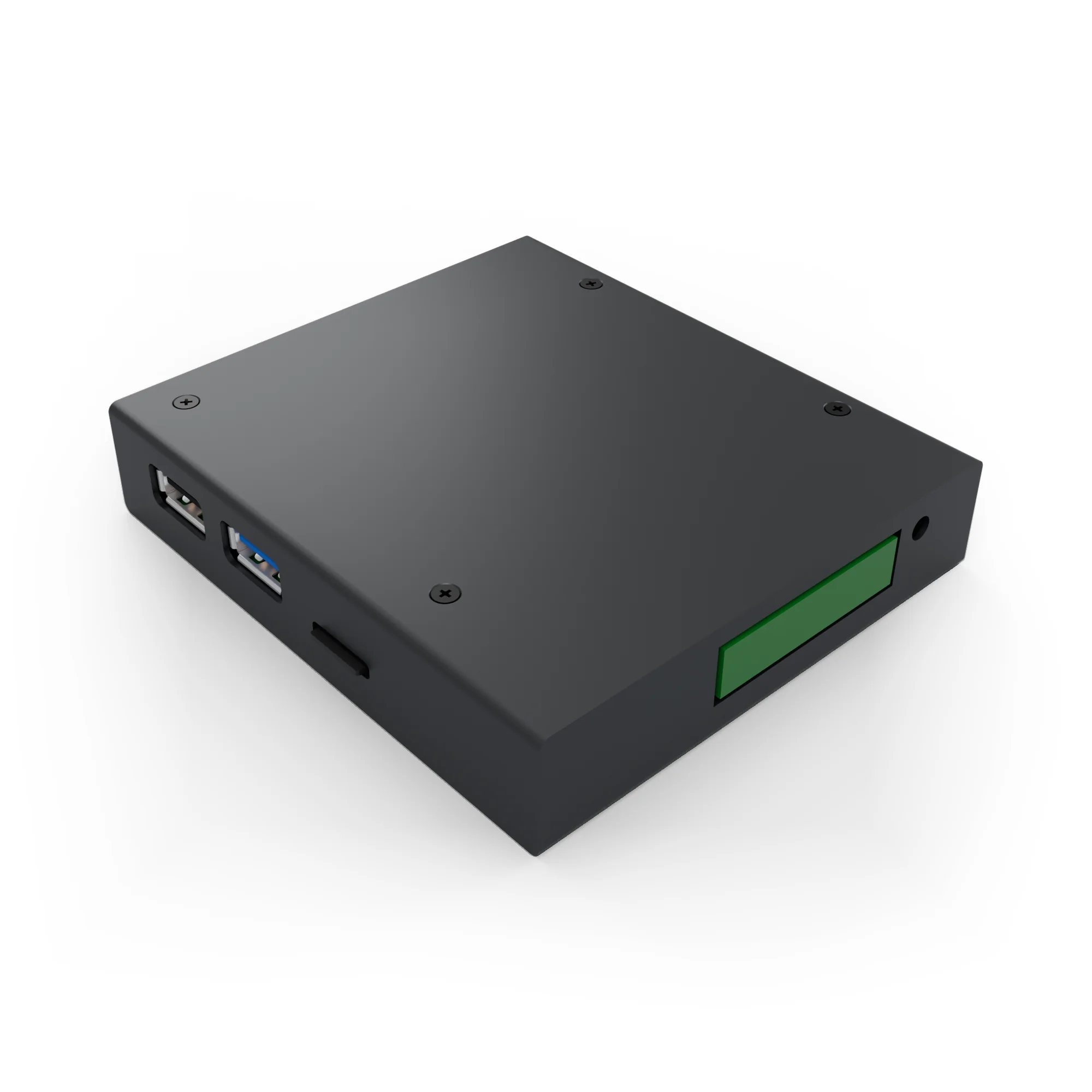
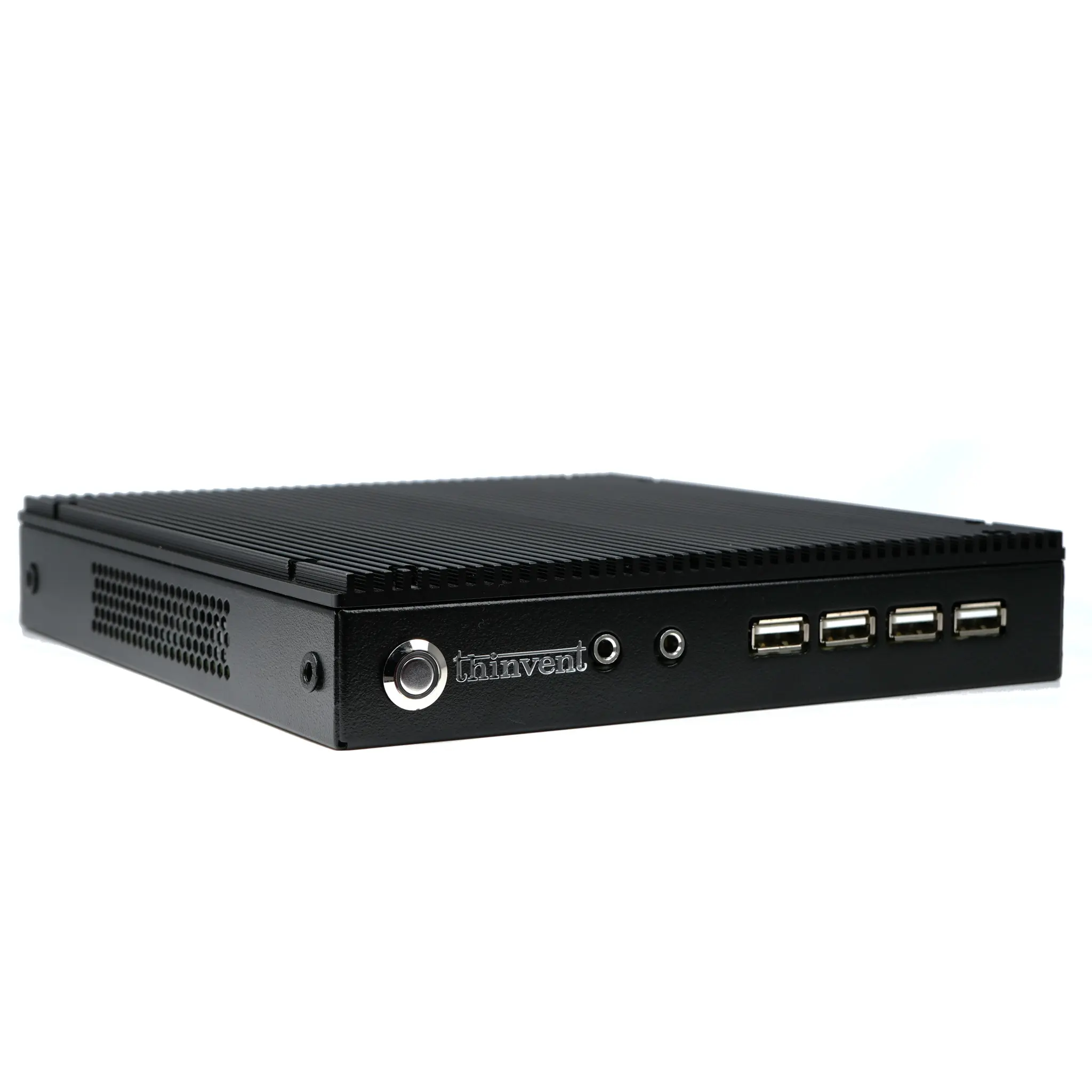
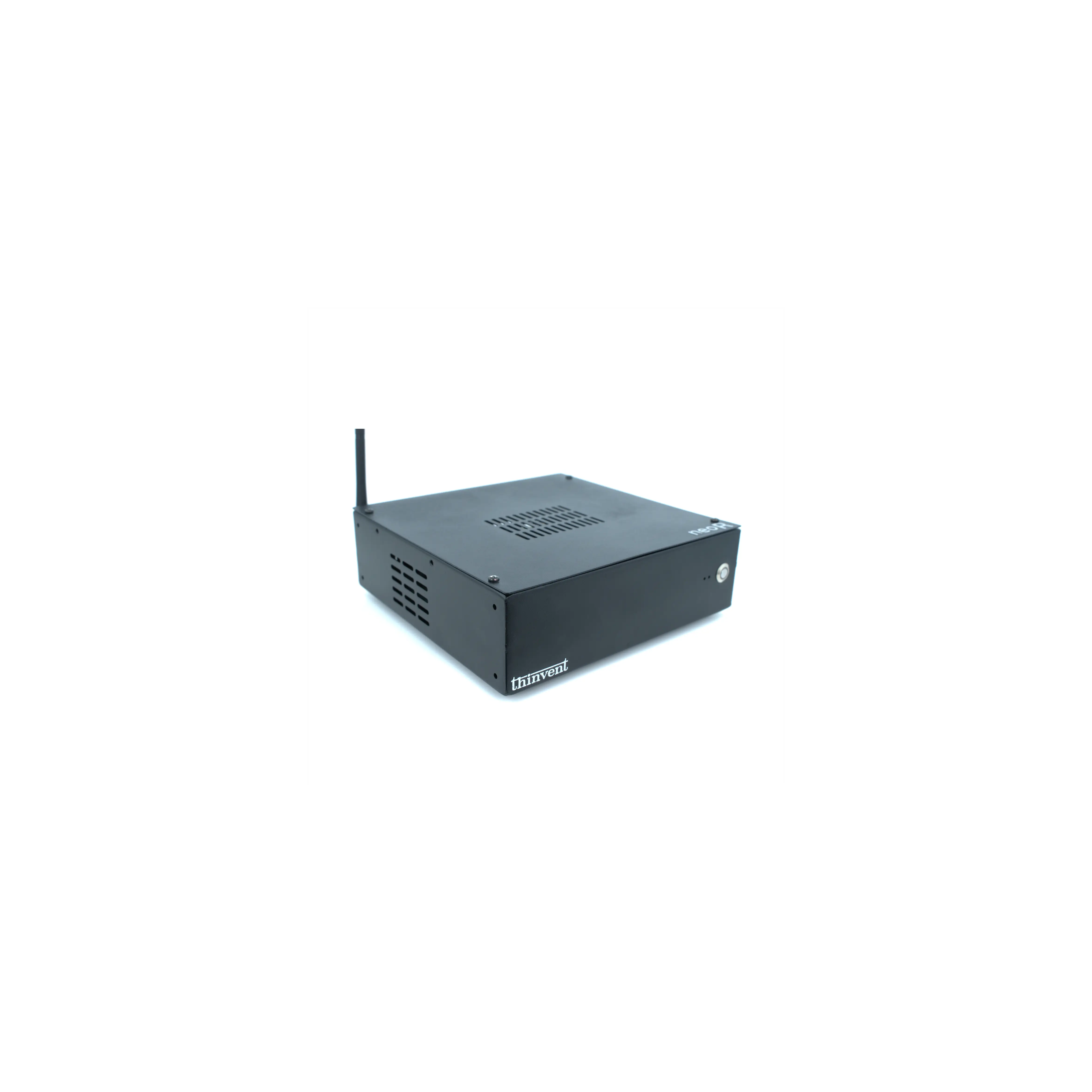
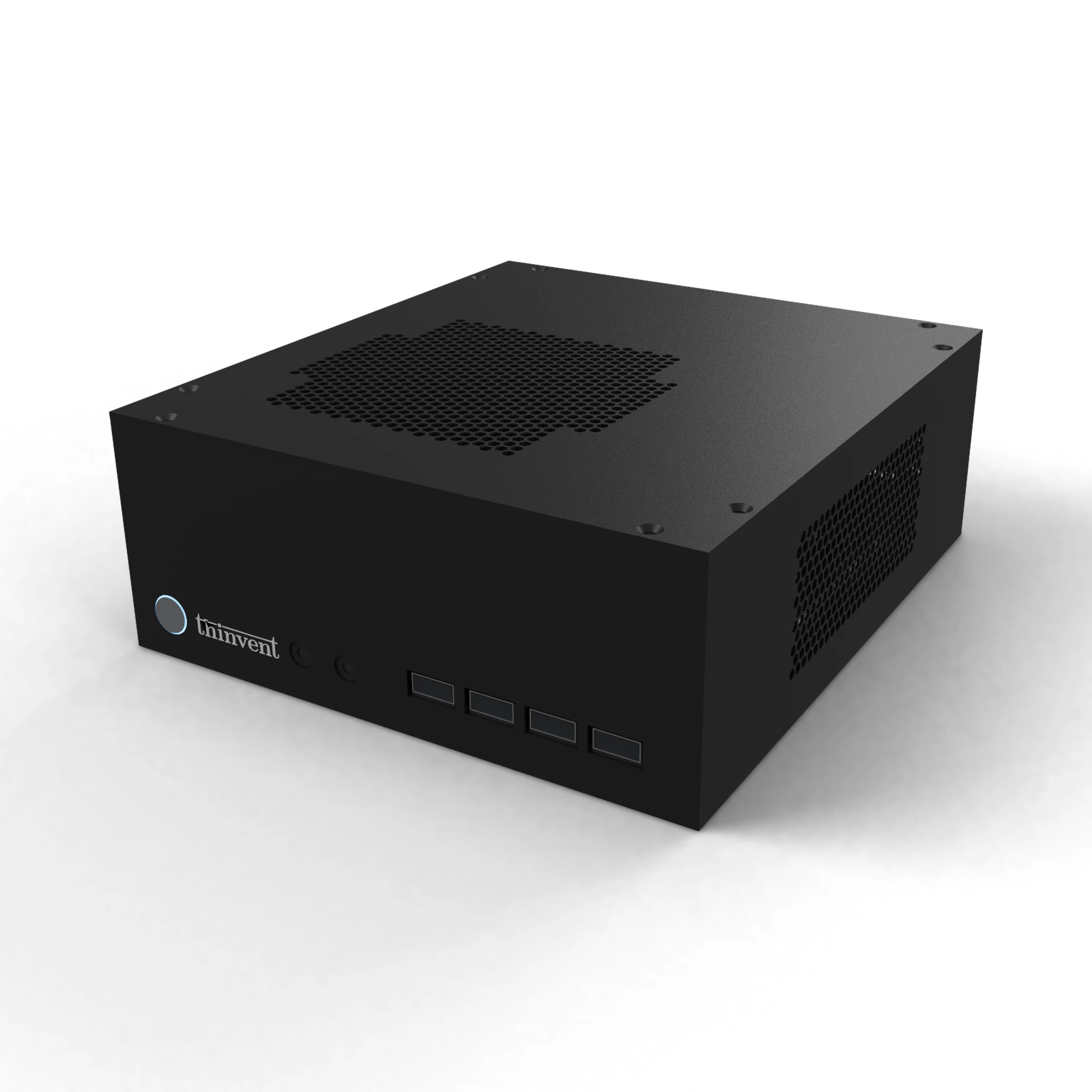
Thinvent offers a scalable range of industrial computers engineered to meet the rigorous demands of design work. Our portfolio includes compact Treo and Aero Mini PCs with Intel Core processors, perfect for space-constrained studios requiring silent operation. For the most demanding applications, the IPC5 Industrial PC features a 12-core Intel Core i5-1250P processor, 16GB RAM, and 512GB SSD, delivering desktop-grade performance in a rugged, fanless chassis. All systems are built for global deployment with wide voltage input and can run professional operating systems like Windows 11 Pro/IoT or Ubuntu Linux, providing a stable, high-performance platform for any design workflow.