What Makes the Best Computer for Graphic Design in 2025?
Graphic design in 2025 demands a computer that can handle complex software like Adobe Creative Suite, CorelDRAW, and 3D modeling tools with ease. The ideal machine balances processing power, memory, storage speed, and graphical capabilities to ensure smooth multitasking, quick rendering, and seamless workflow. Key specifications include a multi-core processor (8+ cores recommended), at least 16GB of RAM (32GB preferred for heavy projects), a fast SSD for quick file access, and a dedicated graphics card for GPU-accelerated tasks.
For most professional designers, an Intel Core i5 or i7 processor (13th or 14th generation) provides excellent single-threaded performance for layout and vector work, while higher-core-count CPUs like the i9 or Xeon are better suited for 3D rendering and video editing. Integrated graphics may suffice for basic 2D design, but a dedicated GPU (e.g., NVIDIA GeForce RTX or AMD Radeon Pro) is essential for GPU-intensive applications like Adobe After Effects, Blender, or AutoCAD.
Key Specifications for a Graphic Design PC
When selecting a computer for graphic design in 2025, prioritize these components:
-
Processor: Intel Core i5/i7 (13th/14th Gen) or AMD Ryzen 5/7 – 6-8 cores for smooth multitasking
-
Memory: 16GB minimum, 32GB recommended for large files or multi-app workflows
-
Storage: NVMe SSD (512GB or 1TB) for fast boot times and project loading
-
Graphics: Dedicated GPU with 4GB+ VRAM (NVIDIA RTX 3060 or better) for Adobe apps and 3D work
-
Display: High-resolution (4K or QHD) with accurate color reproduction (sRGB 100% or AdobeRGB coverage)
For compact workspaces, a mini PC with a powerful processor and sufficient RAM can handle many graphic design tasks, especially if paired with an external GPU via Thunderbolt or USB4.
Use Cases and Applications
Graphic design computers are used across various fields:
-
Print Design: Brochures, posters, magazines – requires accurate color and high DPI handling
-
Digital Design: UI/UX, web graphics, social media – benefits from fast CPU and ample RAM
-
Motion Graphics: 2D/3D animation, video editing – needs multi-core CPU and dedicated GPU
-
3D Modeling: Product design, architectural visualization – demands high-end CPU and GPU
A well-configured mini PC or industrial computer can serve as a dedicated workstation for these tasks, especially in office or studio environments where space is limited.
Comparison: Entry-Level vs. Professional Graphic Design PC
| Component | Entry-Level (Budget) | Professional (High-Performance) |
|---|---|---|
| Processor | Intel Core i5 (12th Gen) | Intel Core i7/i9 (13th/14th Gen) |
| RAM | 16GB DDR4 | 32-64GB DDR5 |
| Storage | 256GB SSD | 1TB NVMe SSD |
| Graphics | Integrated or entry-level GPU | Dedicated GPU (RTX 4060+) |
| Display | 1080p 60Hz | 4K 144Hz with color calibration |
| Best For | Light design, web graphics | Heavy 3D, video, multi-tasking |
Thinvent's Products for Graphic Design
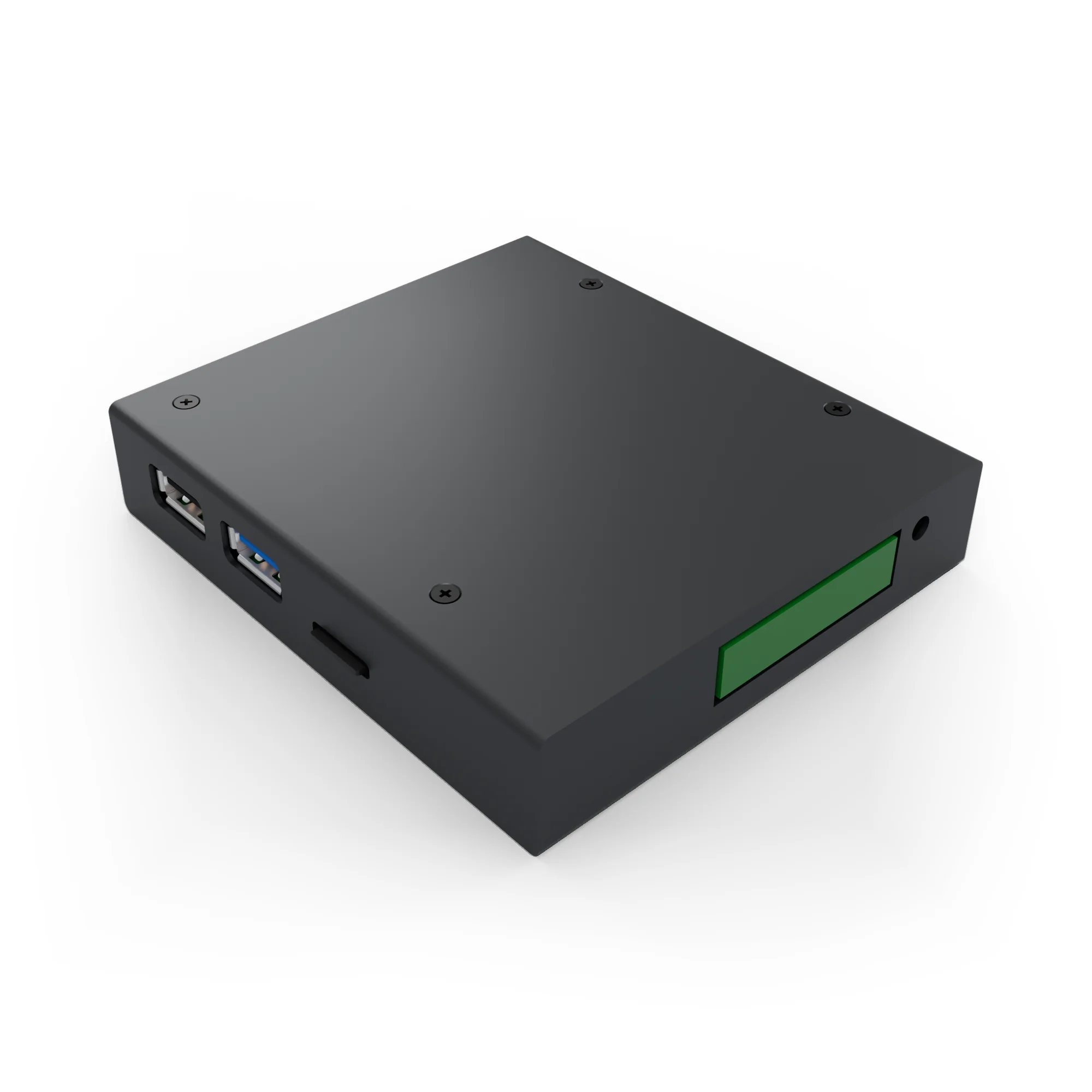
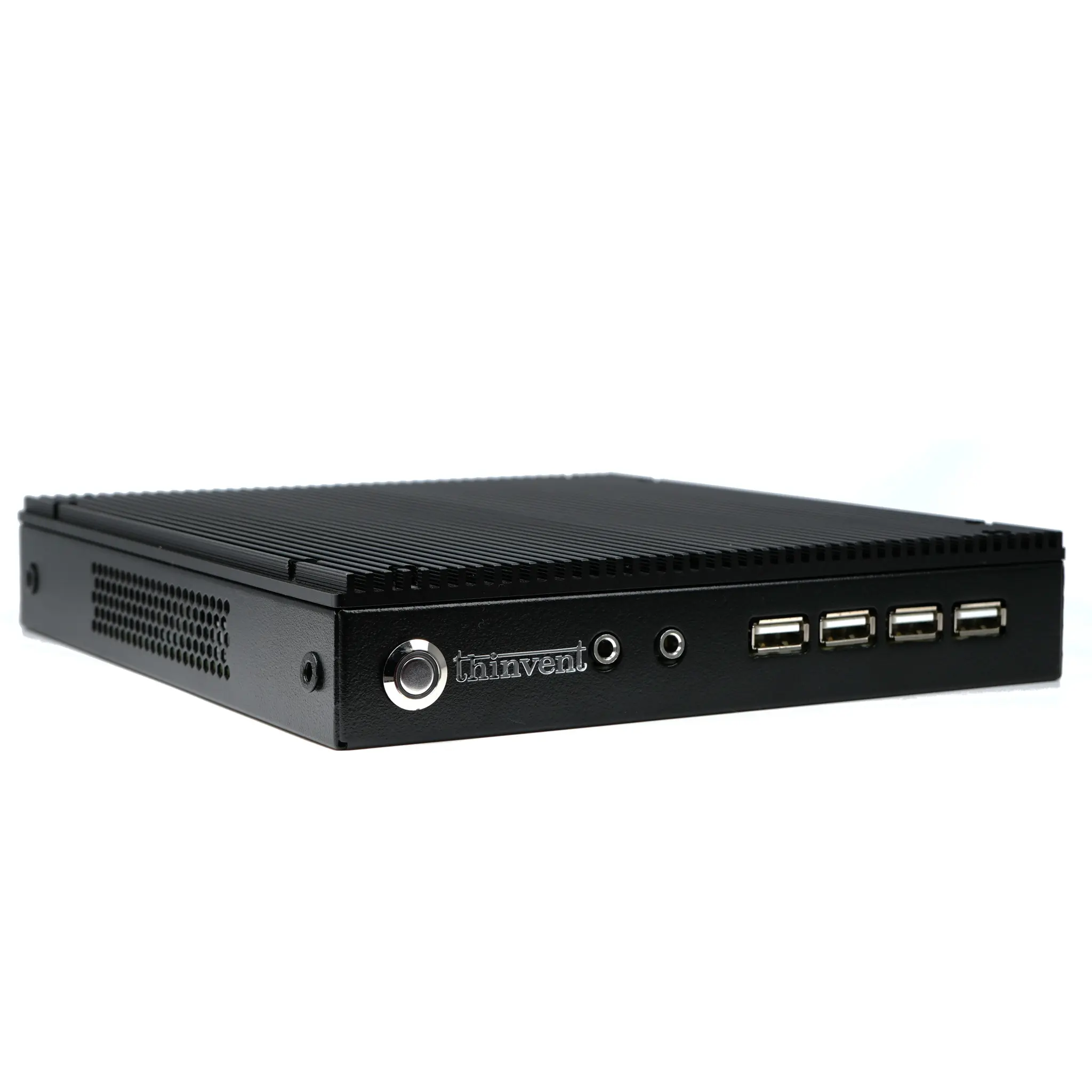
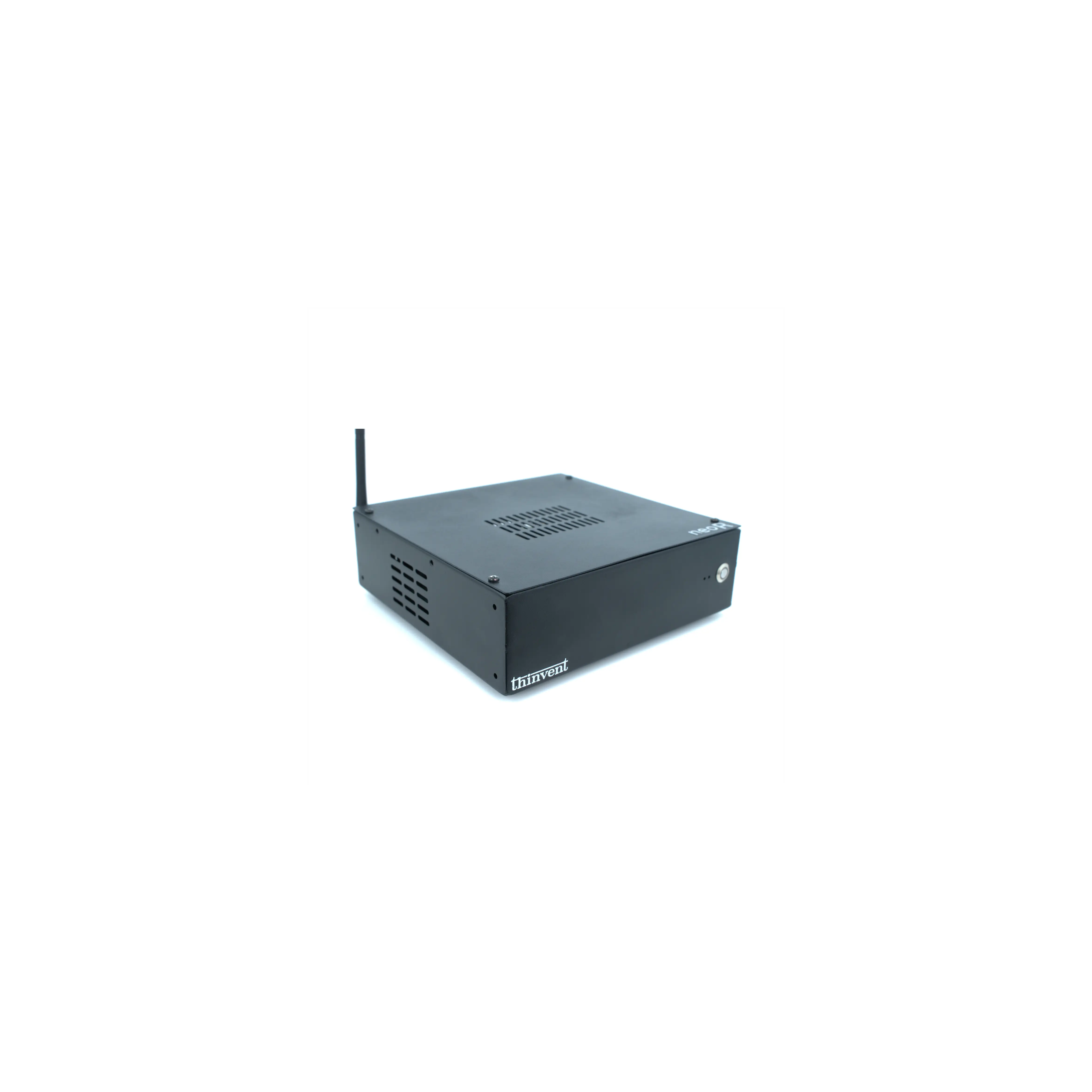
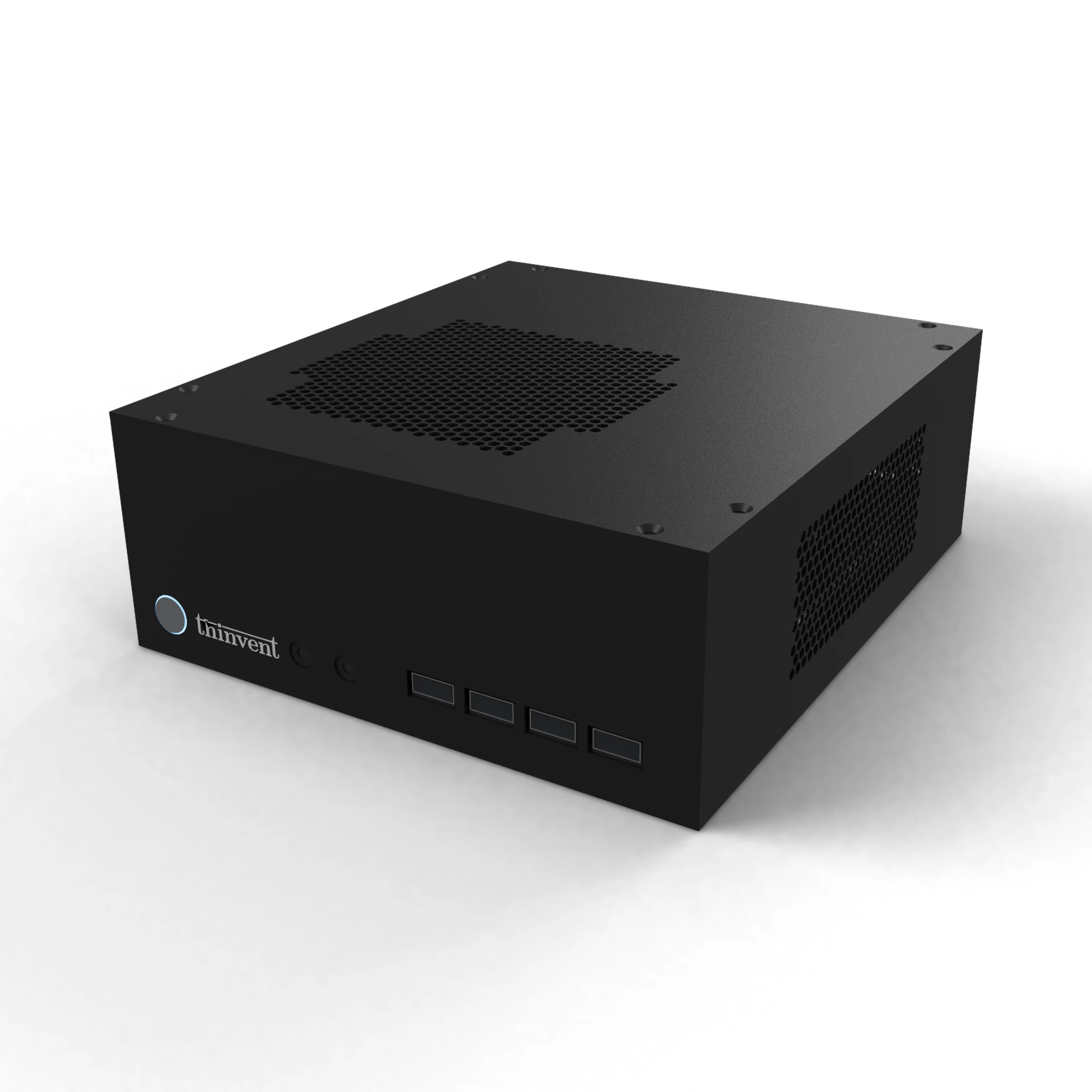
Thinvent offers a range of industrial-grade mini PCs and thin clients that can be configured for graphic design workloads. Our Intel N100-based Aero Mini PC (12th Gen, 4 cores, up to 3.4 GHz) with 16GB RAM and 128GB SSD provides a solid foundation for entry-level design tasks, especially when running lightweight operating systems like Ubuntu Linux or Windows 11 Pro. For more demanding work, Thinvent's higher-tier models with Intel Core i5/i7 processors, larger RAM capacities, and support for external GPUs via USB-C or Thunderbolt are ideal. All Thinvent systems are built for reliability with fanless cooling, making them suitable for 24/7 operation in studio environments.