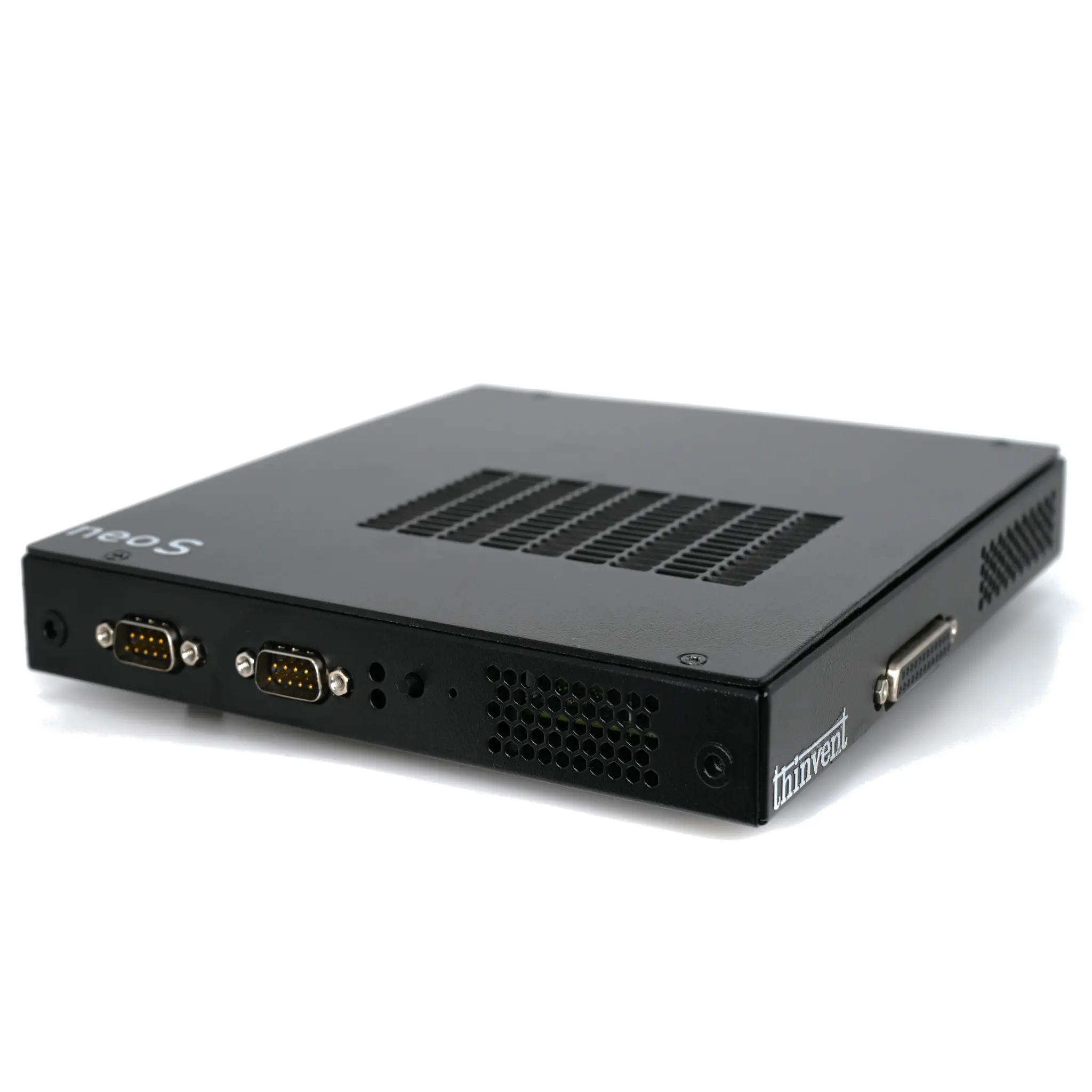
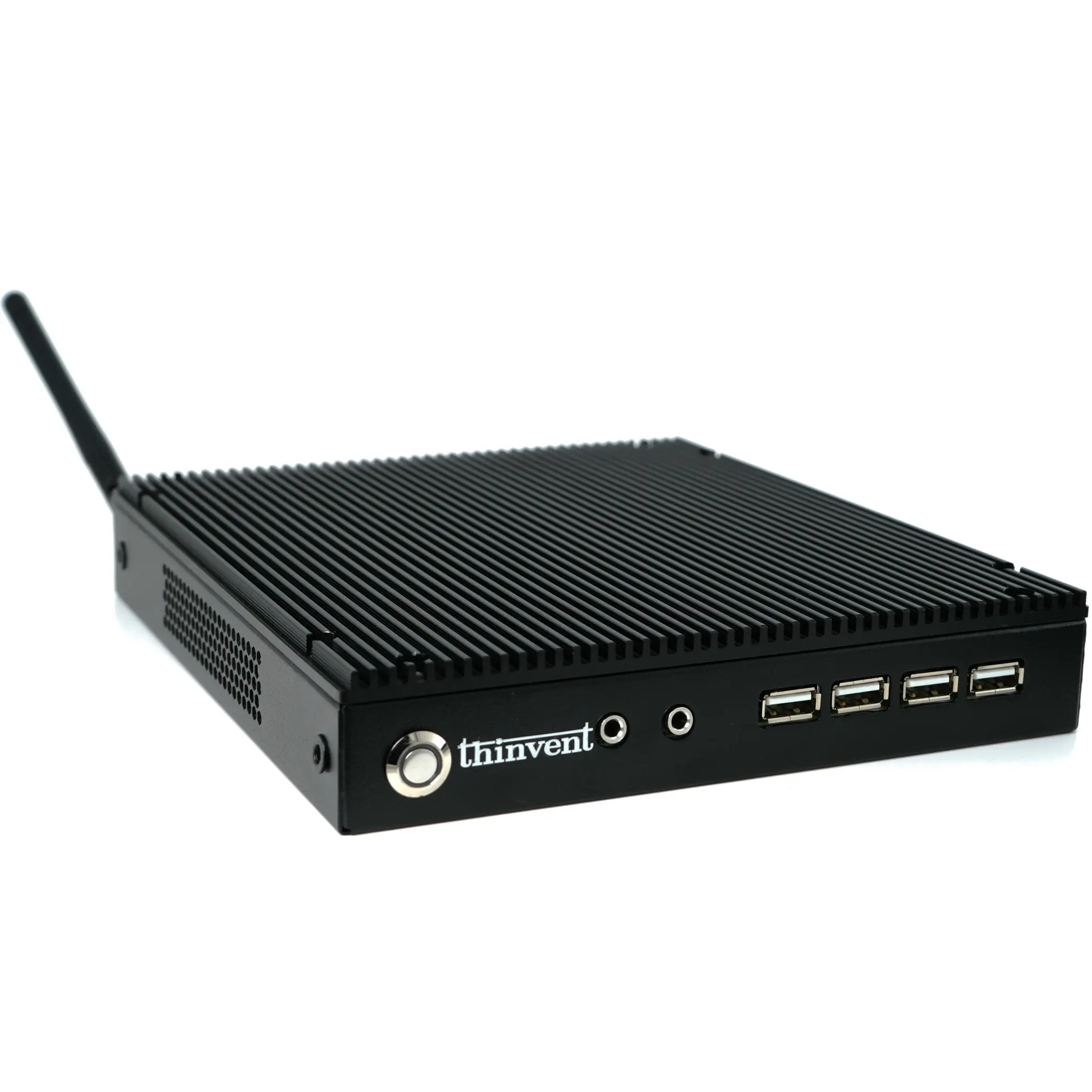
Selecting the best CPU for performance in an industrial or embedded computing environment requires balancing raw processing power with factors like thermal design, reliability, and application-specific needs. Unlike consumer PCs, industrial systems often operate 24/7 in demanding conditions, making CPU architecture, core count, clock speed, and thermal output critical considerations. The "best" CPU is ultimately defined by the workload.
Key Specifications for Performance
For high-performance tasks, focus on processors with higher core counts, higher clock speeds (especially turbo frequencies), and larger cache sizes. Modern Intel Core i5 and i7 processors from the 12th generation and newer (Alder Lake and Raptor Lake) offer a hybrid architecture with Performance-cores (P-cores) and Efficient-cores (E-cores), delivering excellent multi-threaded performance for applications like digital signage, automation, and edge analytics. Key specs to compare include:
-
Core Count: More cores handle parallel tasks better (e.g., 6, 10, or 12 cores).
-
Clock Speed: Higher GHz, especially turbo boost (e.g., up to 5.0 GHz), benefits single-threaded applications.
-
Cache: Larger L3 cache (e.g., 12MB+) improves data retrieval speed for repetitive tasks.
-
Thermal Design Power (TDP): Higher TDP often correlates with higher performance but requires more robust cooling.
Performance CPU Comparison
| Processor Series | Typical Cores/Threads | Max Turbo Frequency | Ideal Use Cases |
|---|---|---|---|
| Intel Core i5 (e.g., 1250P) | 12 Cores (4P+8E) / 16 Threads | Up to 4.4 GHz | Industrial workstations, multi-display digital signage, light CAD |
| Intel Core i3 (e.g., 1215U) | 6 Cores (2P+4E) / 8 Threads | Up to 4.4 GHz | Kiosks, POS systems, gateway devices |
| Intel Processor N-Series (e.g., N100) | 4 Cores / 4 Threads | Up to 3.4 GHz | Thin clients, basic edge computing, fanless embedded systems |
| ARM Cortex (e.g., A55) | 4 Cores | Up to 2.0 GHz | Lightweight thin clients, dedicated single-application devices |
Applications and Use Cases
A high-performance CPU is essential for latency-sensitive and compute-intensive applications. In industrial settings, this includes Machine Vision for quality inspection, where fast image processing is critical. Edge Computing nodes that aggregate and analyze data from multiple sensors also benefit from multi-core processors. For Digital Signage networks driving multiple 4K displays or interactive content, a CPU with strong integrated graphics and high clock speed ensures smooth playback.
Thinvent's High-Performance Computing Solutions
Thinvent integrates the latest high-performance Intel Core processors into robust, reliable form factors suitable for industrial deployment. Our Aero Mini PC series features 14th Gen Intel Core processors, like the Core 5 120U with 10 cores and turbo speeds up to 5.0 GHz, perfect for space-constrained, high-performance applications. For the most demanding tasks, our Industrial PC (IPC) lineup, such as the IPC5 with an Intel Core i5-1250P (12 cores), provides exceptional multi-threaded performance in a rugged chassis designed for 24/7 operation. All Thinvent systems are built for durability, with options for fanless cooling and wide operating temperature ranges to ensure consistent performance in any environment.