Best CPUs for Rendering: A Technical Guide
Rendering is a computationally intensive task that demands processors with high core counts, fast clock speeds, and large cache sizes. For professional 3D animation, architectural visualization, and video production, the ideal CPU balances multi-threaded performance for final frame rendering with strong single-threaded speed for real-time viewport interaction. Modern Intel Core i5, i7, and i9 processors, particularly from the 12th generation and newer, are industry standards due to their hybrid architecture combining Performance-cores (P-cores) and Efficient-cores (E-cores). Key specifications to prioritize include a high core/thread count (12+ cores/16+ threads), a maximum turbo frequency above 4.0 GHz, and a substantial L3 cache (e.g., 24MB+). ARM-based processors, while power-efficient, are generally not suited for heavy desktop rendering workloads due to software compatibility and raw performance limitations in this specific domain.
Key Specifications for Rendering Performance
The primary metrics defining a CPU's rendering capability are its core architecture and parallel processing power. More cores allow the software to distribute rendering tasks (like ray tracing calculations) across multiple threads, drastically reducing render times. A high maximum turbo frequency ensures responsive performance during modeling and scene setup. A large CPU cache (L2 and L3) is critical as it stores frequently accessed scene data, reducing latency. For example, a CPU like the Intel Core i5-1240P offers 12 cores (4 P-cores + 8 E-cores), a 4.4 GHz max frequency, and 12MB of Intel Smart Cache, making it a capable entry-point for professional rendering tasks in a compact form factor.
Applications and Use Cases
High-performance rendering CPUs are essential in various professional environments. In 3D Animation and VFX Studios, they are used for final-frame rendering in software like Blender, Maya, and Cinema 4D. Architectural and Engineering Firms rely on them for creating photorealistic renders and walkthroughs in applications such as V-Ray, Lumion, and Revit. Video Production Houses utilize these processors for high-resolution video editing, color grading, and effects rendering in DaVinci Resolve and Adobe After Effects. The choice of CPU directly impacts project turnaround time and the ability to handle complex scenes with high polygon counts and advanced lighting.
Thinvent's Rendering-Ready Industrial Computing Solutions
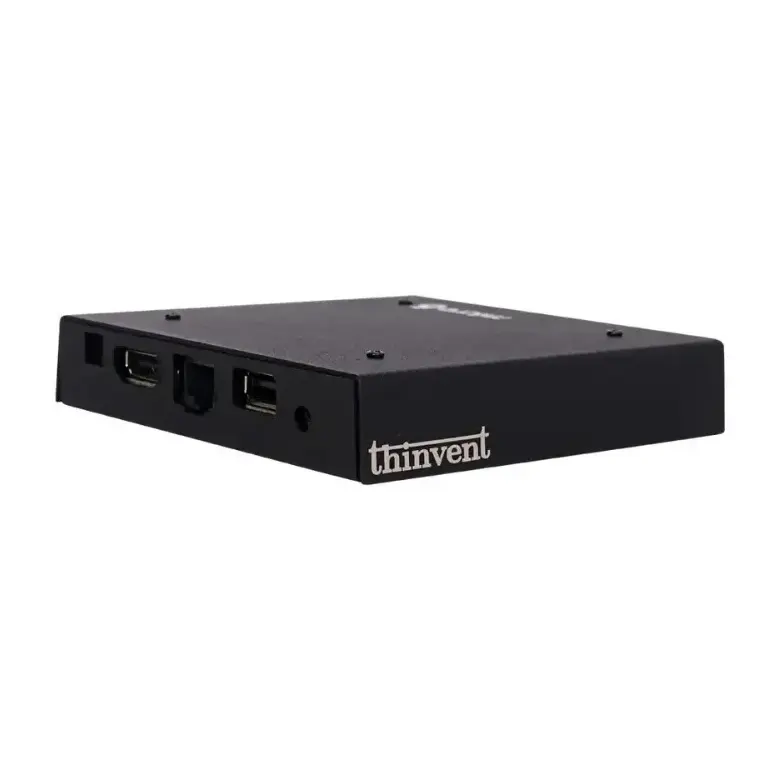
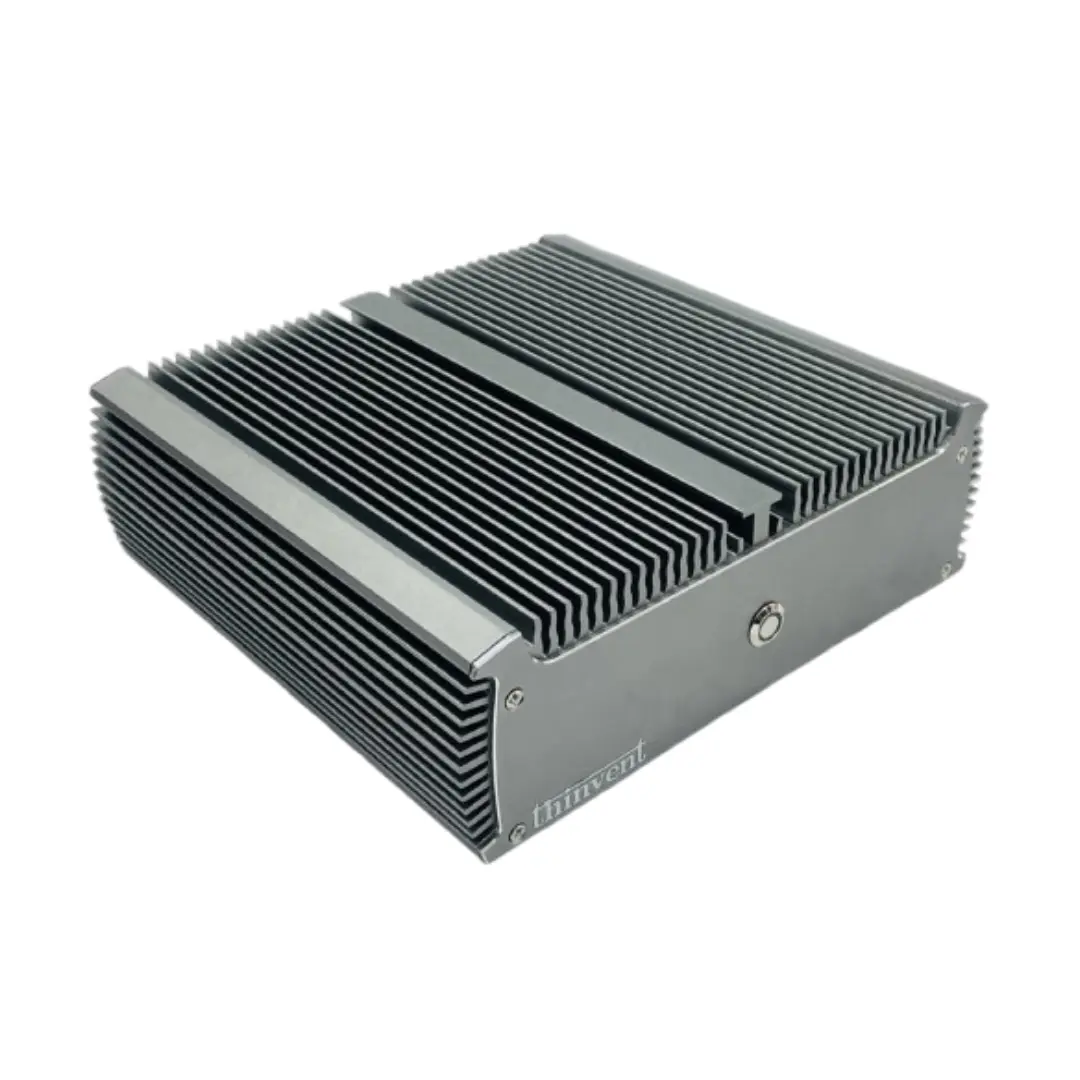
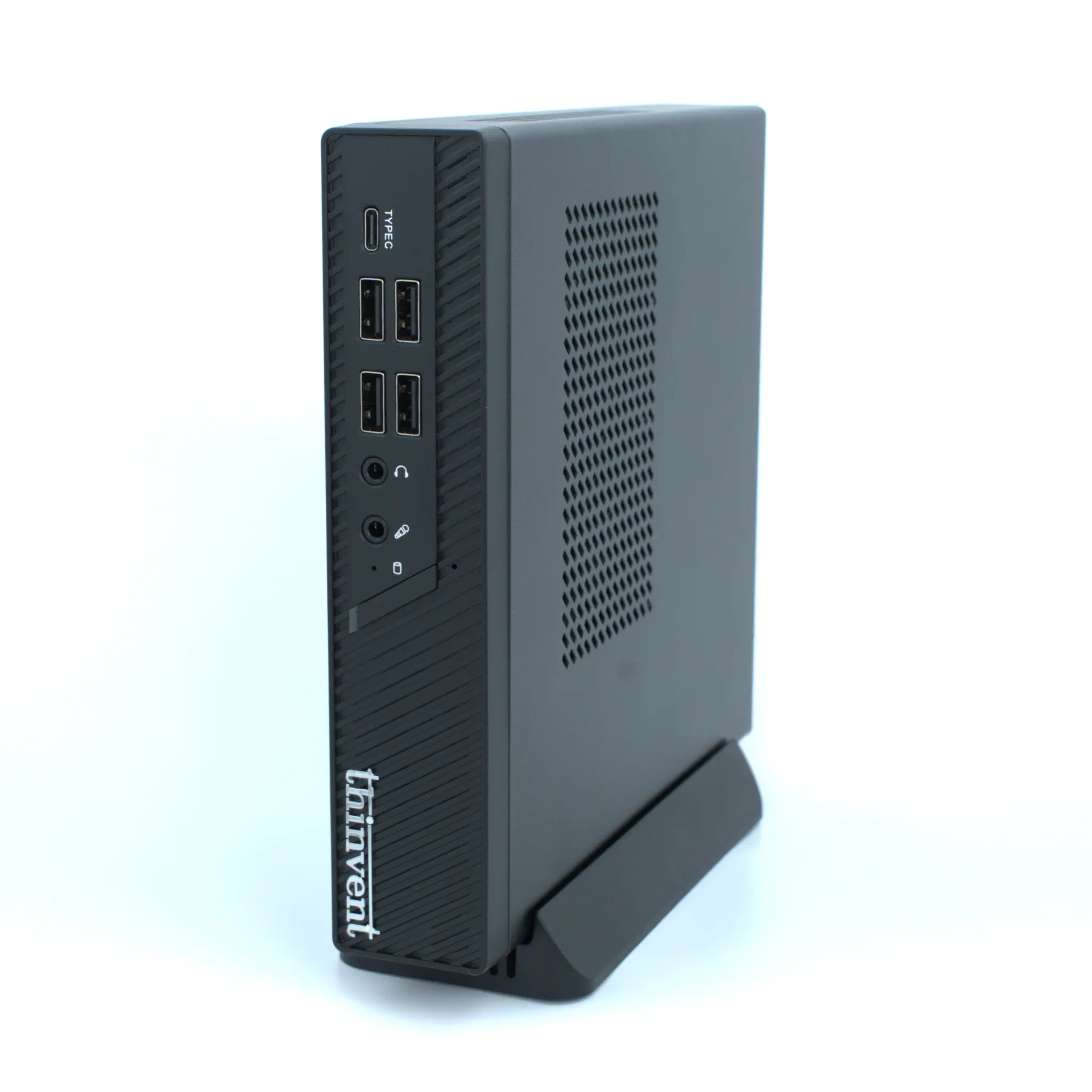
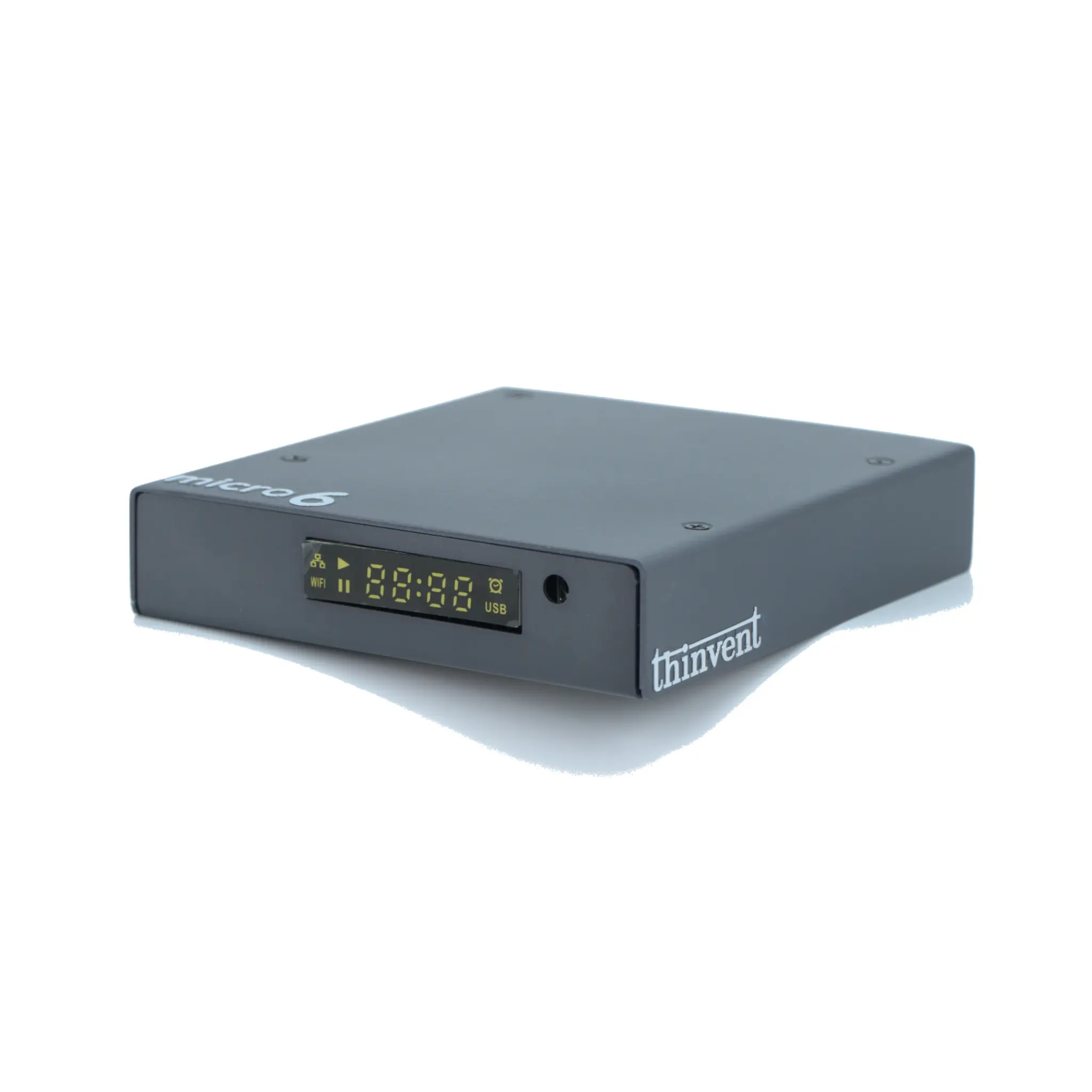
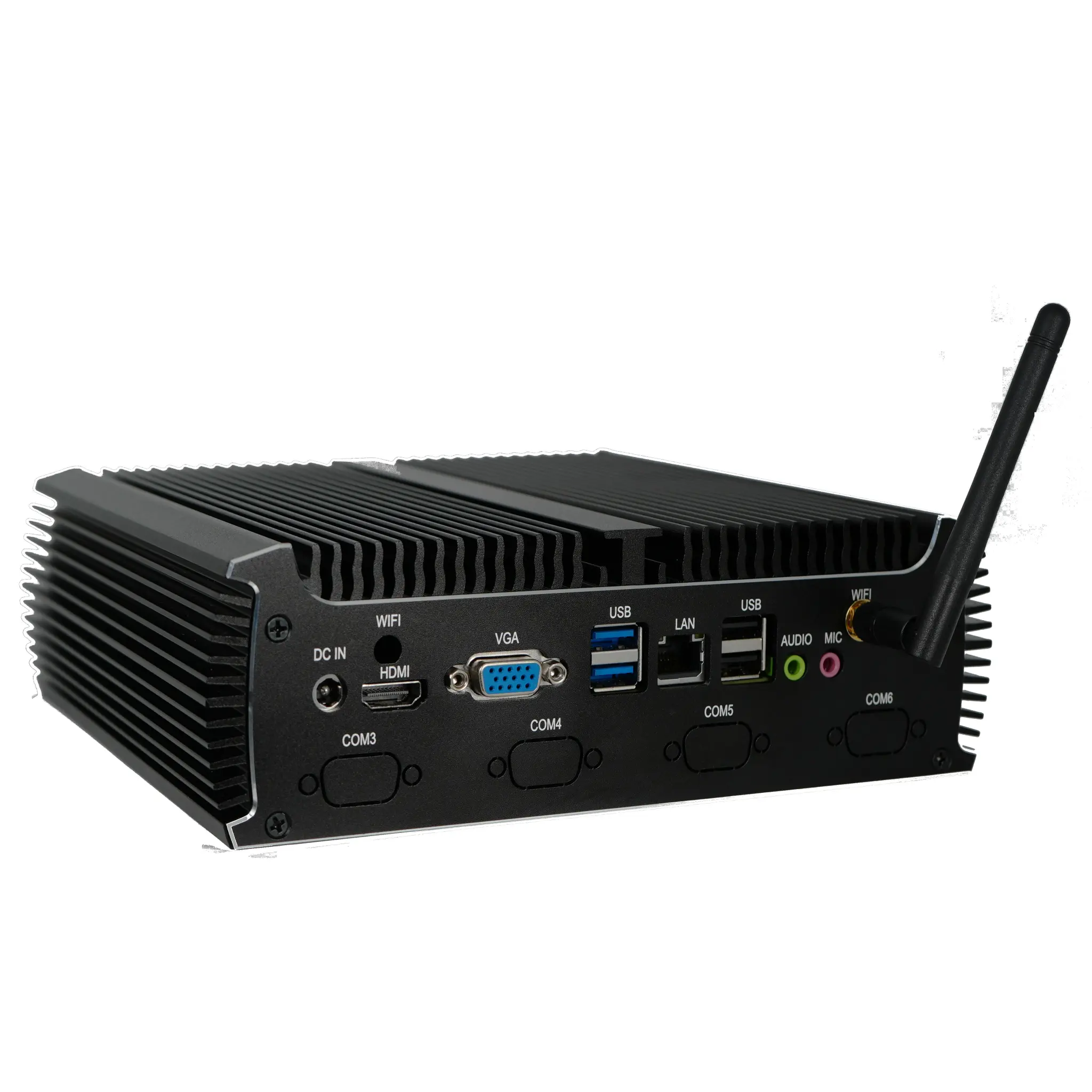
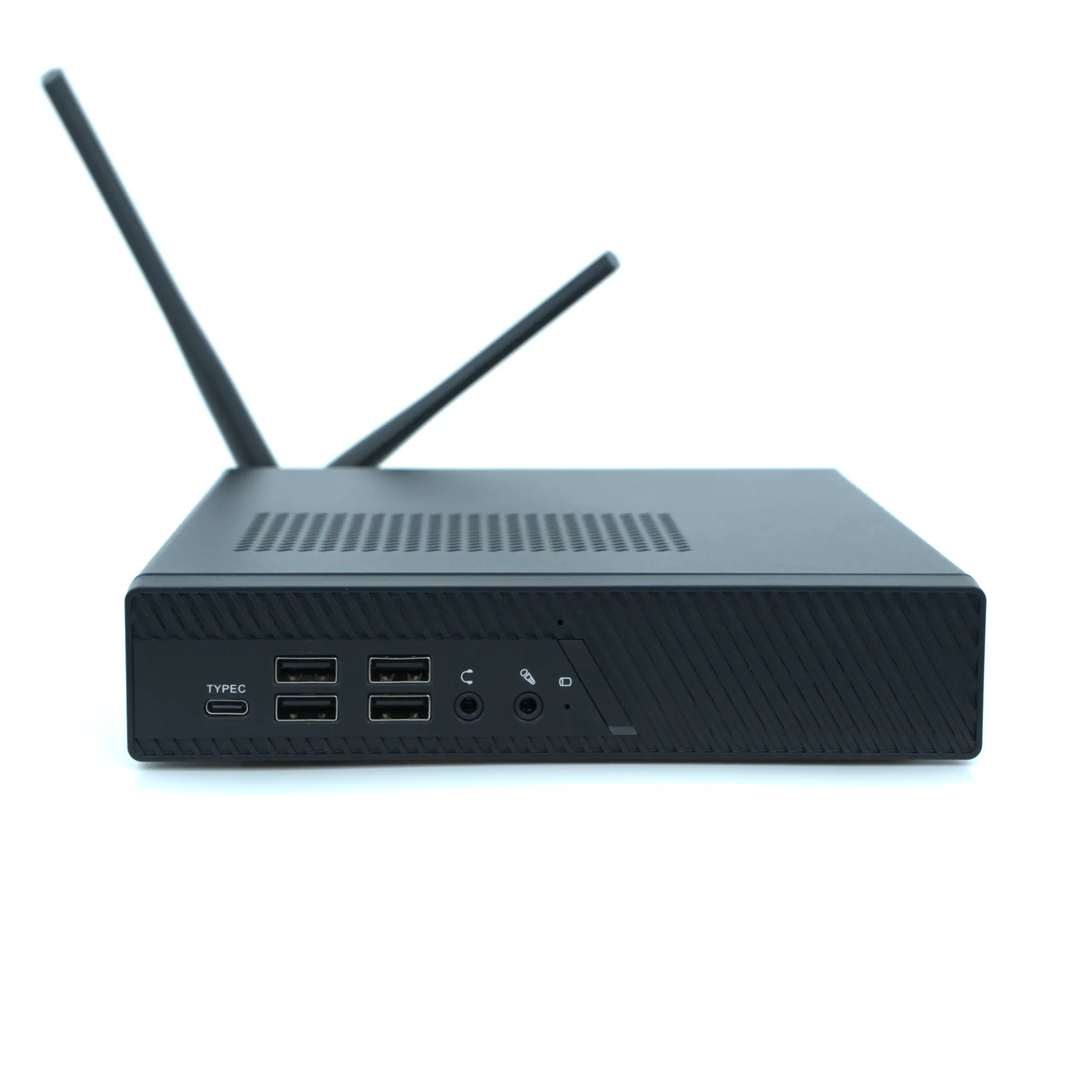
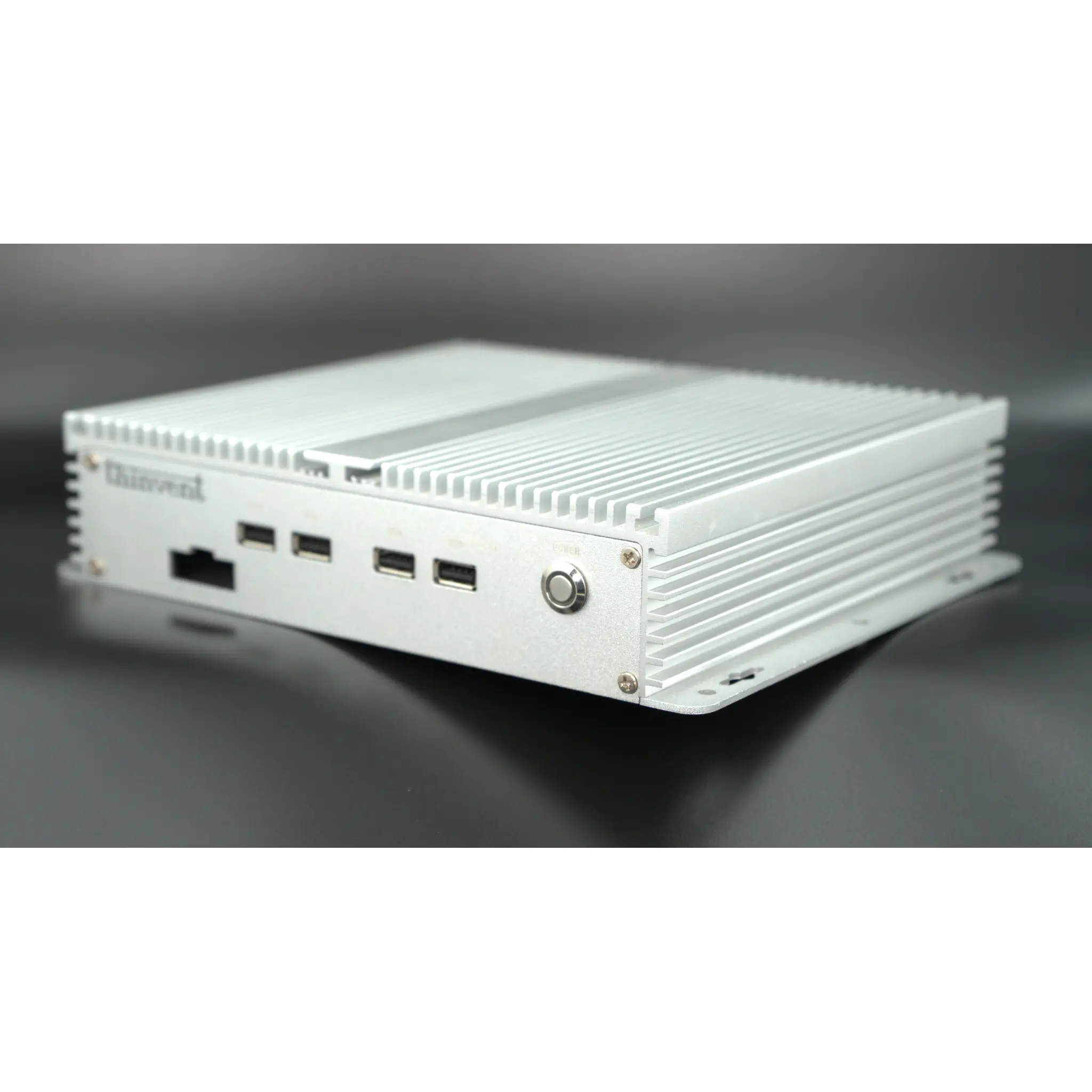
Thinvent offers a range of industrial and mini PCs equipped with powerful Intel processors that are well-suited for demanding rendering applications in space-constrained or harsh environments. Our fanless and rugged designs ensure reliable, silent operation critical for focused creative work.
| Model Series | Example CPU | Cores/Threads | Max Frequency | Cache | Ideal For |
|---|---|---|---|---|---|
| Thinvent Aero Mini PC | Intel Core 5 120U | 10 Cores (2P+8E) / 12 Threads | Up to 5.0 GHz | 12 MB | High-performance mini workstations for 3D modeling & rendering. |
| Thinvent Industrial PC IPC5 | Intel Core i5-1240P | 12 Cores (4P+8E) / 16 Threads | Up to 4.4 GHz | 12 MB | Professional rendering workstations, CAD/CAM applications. |
| Thinvent Industrial PC IPC3 | Intel Core i3-1215U | 6 Cores (2P+4E) / 8 Threads | Up to 4.4 GHz | 10 MB | Entry-level 3D rendering, video editing, and design work. |
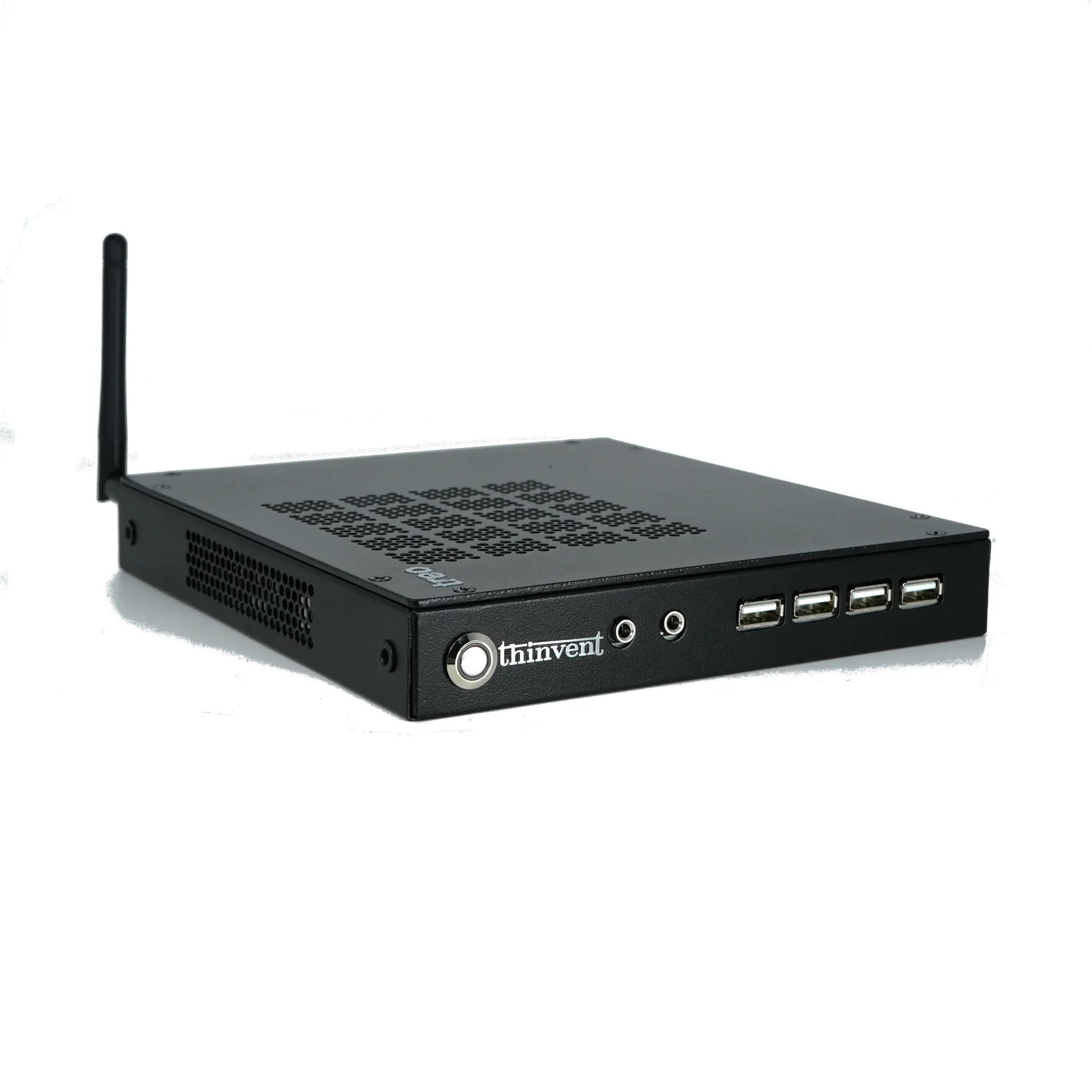
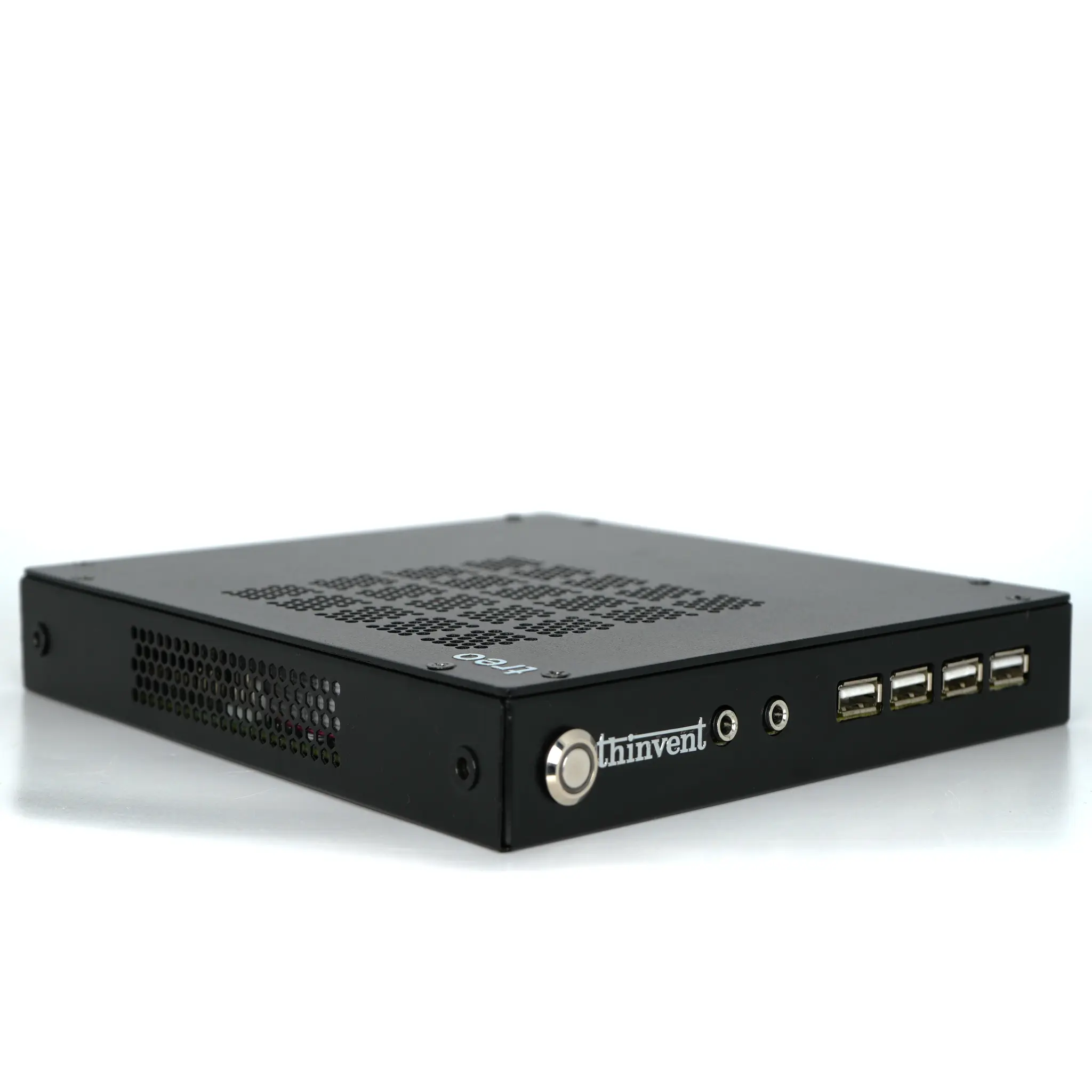
| Thinvent Treo/IPC1 Series | Intel Processor N100 | 4 Cores / 4 Threads | Up to 3.4 GHz | 6 MB | Lightweight rendering tasks, display rendering for digital signage. |
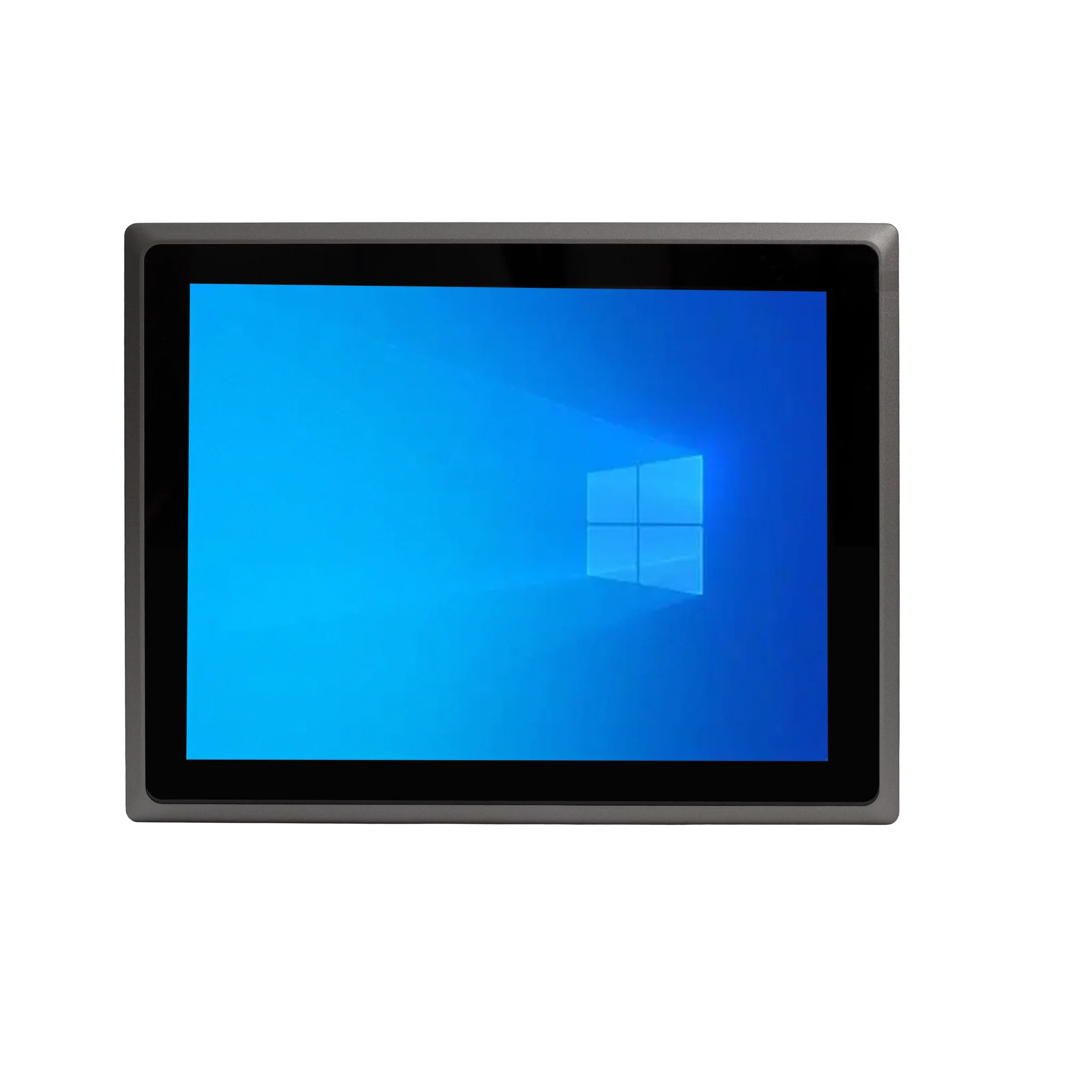
Our systems are built for 24/7 reliability, featuring robust storage options (SSDs), ample RAM configurations, and support for multiple operating systems including Windows 11 and Linux. Whether you need a compact powerhouse like the Aero Mini PC or a robust industrial chassis like the IPC5, Thinvent provides the computational foundation for professional creative and engineering workloads worldwide.