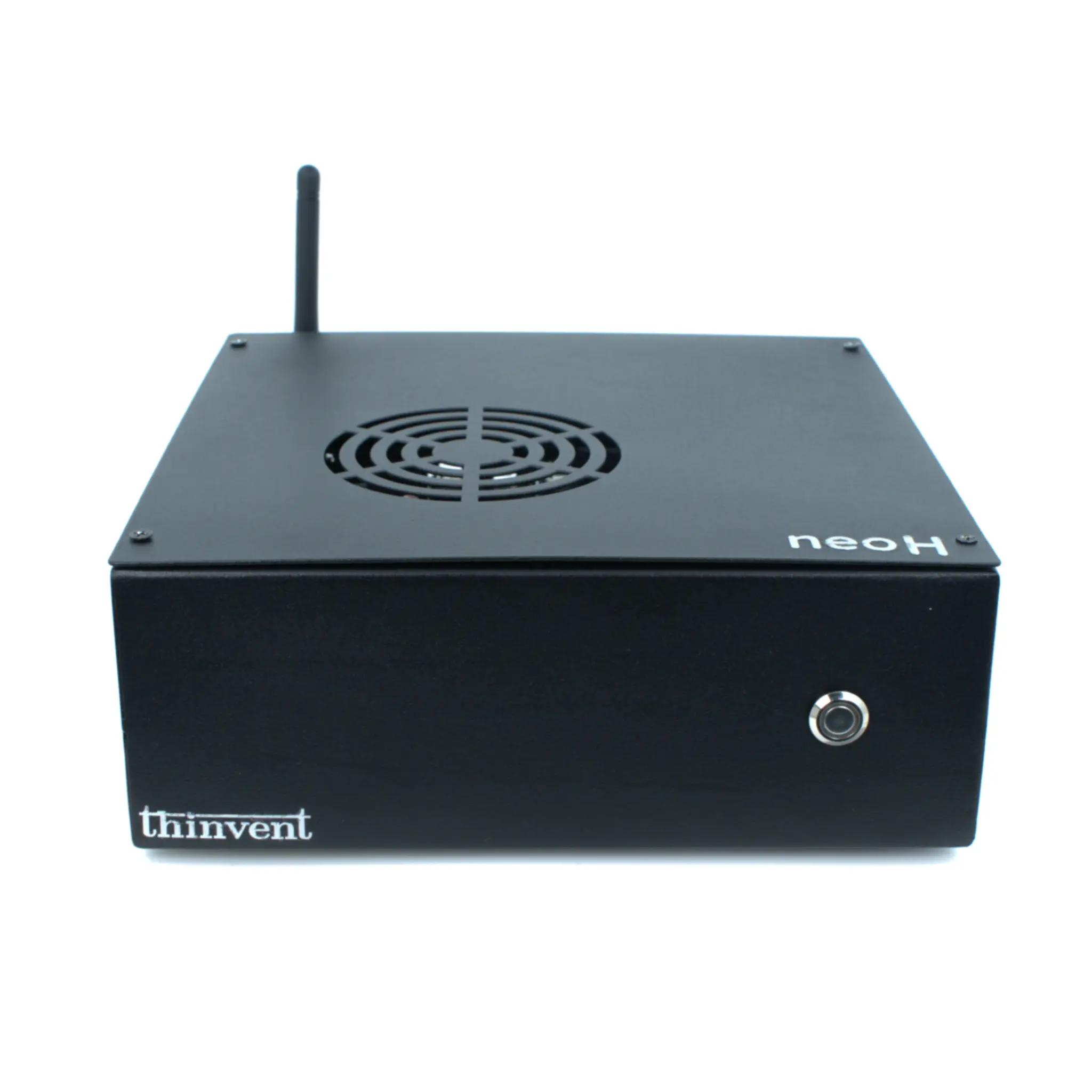
What is the Best Desktop Computer for Engineering Students?
The best desktop computer for engineering students balances robust processing power, ample memory, and reliable storage to handle demanding software like CAD (Computer-Aided Design), FEA (Finite Element Analysis), simulation tools, and programming IDEs. It must be a reliable workstation for complex calculations, 3D modeling, and multitasking between research, documentation, and virtual labs. Key considerations include a multi-core processor (Intel Core i5/i7 or equivalent), a minimum of 16GB RAM (32GB recommended for heavy tasks), fast SSD storage, and multiple connectivity options for peripherals and external displays.
Key Specifications and Technical Details
Engineering software is resource-intensive. A capable system should feature:
-
Processor: Modern multi-core CPUs (e.g., Intel Core i5, i7 from 12th Gen or newer) for parallel processing in simulations and renders.
-
Memory (RAM): 16GB is the baseline; 32GB or more is ideal for running multiple virtual machines, large datasets, and complex assemblies.
-
Storage: A 512GB or 1TB NVMe SSD ensures fast boot times, quick application launches, and rapid file access for large project files.
-
Graphics: While dedicated GPUs are best for advanced 3D rendering, modern integrated Intel Iris Xe graphics can competently handle entry to mid-level CAD work.
-
Connectivity: Multiple USB ports (including USB 3.2/Type-C), dual HDMI/DisplayPort outputs for multi-monitor setups, and Gigabit Ethernet for stable network access are essential.
-
Reliability: Fanless or robust cooling designs ensure silent, dust-resistant operation for long study sessions in dorm rooms or labs.
Ideal Use Cases and Applications
These desktops are engineered for the academic engineering workflow:
-
CAD & 3D Modeling: Running software like SolidWorks, AutoCAD, Fusion 360, and CATIA.
-
Simulation & Analysis: Performing computational fluid dynamics (CFD), structural analysis, and circuit simulation.
-
Programming & Development: Compiling code, running local servers, and using IDEs like VS Code, Eclipse, or MATLAB.
-
Multitasking: Seamlessly switching between design software, research browsers, documentation, and communication apps.
Recommended System Configuration Comparison
| Task Intensity | Recommended CPU Series | Minimum RAM | Recommended SSD | Key Use Case |
|---|---|---|---|---|
| Entry-Level / Core Courses | Intel Core i3 / i5 (12th Gen+) | 16 GB | 512 GB | 2D CAD, programming, documentation |
| Mid-Range / Advanced Projects | Intel Core i5 / i7 (13th/14th Gen) | 32 GB | 1 TB | 3D modeling, FEA, light simulation |
| High-Performance / Thesis Work | Intel Core i7 / i9 (13th/14th Gen) | 64 GB | 1 TB+ | Complex simulations, rendering, data analysis |
Thinvent Solutions for Engineering Students
Thinvent offers a range of industrial-grade computing solutions that provide the durability, performance, and connectivity required for engineering education. Our compact and fanless Mini PCs and powerful Industrial PCs are built to deliver consistent performance in demanding environments. Featuring the latest Intel Core processors, configurable high-speed memory and storage, and extensive I/O ports, Thinvent systems are engineered to be reliable workstations for the entire academic journey, from introductory courses to capstone projects.