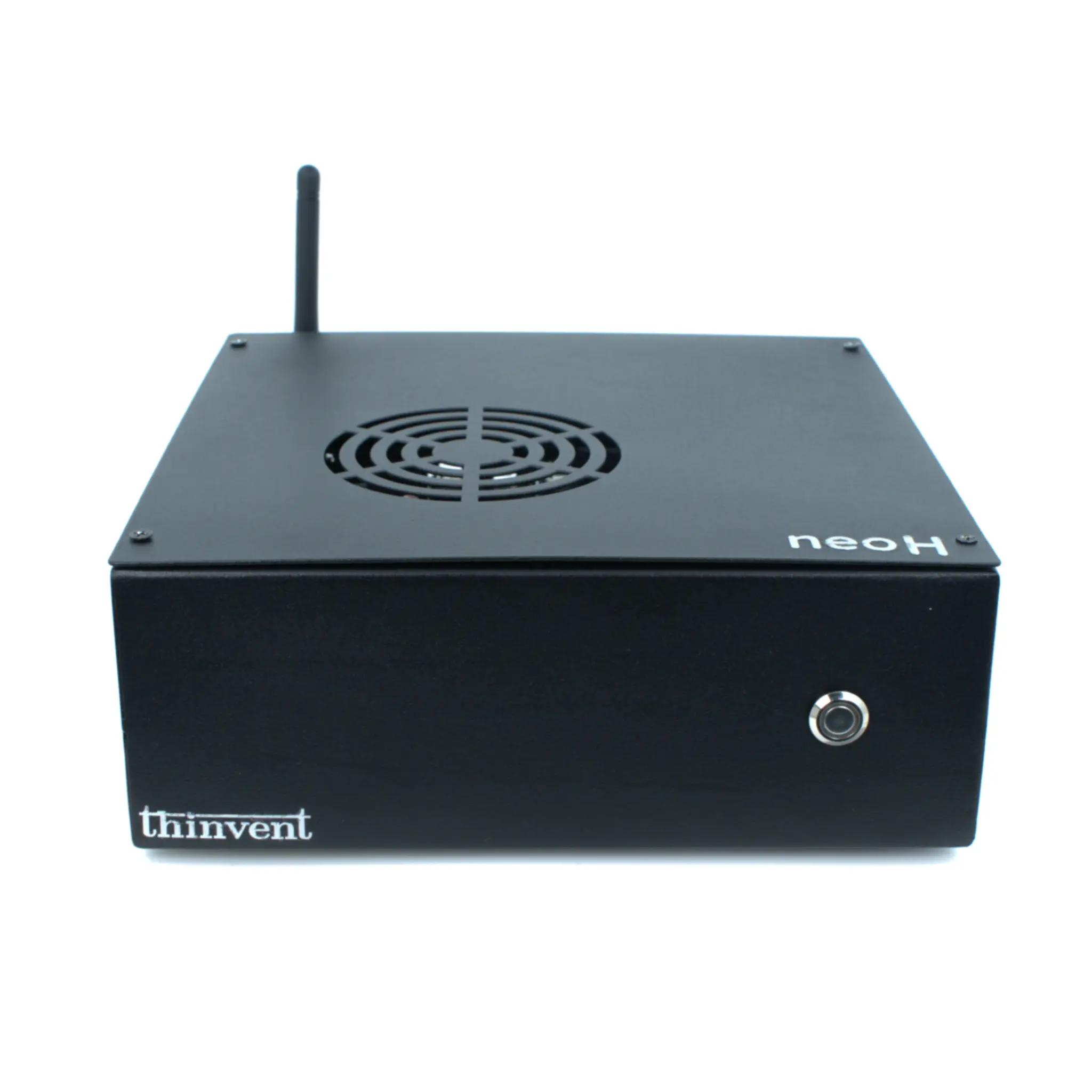
For demanding professional and industrial applications, a desktop computer powered by an Intel Core i7 processor represents a top-tier choice. These systems are engineered to deliver exceptional multi-threaded performance, high clock speeds, and robust integrated graphics, making them ideal for compute-intensive tasks. Key specifications that define a high-performance i7 desktop include a high core and thread count (typically 12 to 16 threads), generous L3 cache (up to 24MB or more), and support for fast DDR4 or DDR5 memory. This combination ensures smooth operation for virtualization, complex data analysis, CAD/CAM software, and media production.
Key Specifications and Performance
Modern Intel Core i7 processors, particularly from the 12th to 14th generations, offer a significant leap in performance. They often feature a hybrid architecture with Performance-cores (P-cores) and Efficient-cores (E-cores) to intelligently handle both single-threaded and multi-threaded workloads. Key technical details include:
-
High Core Count: Ranging from 10 to 16 cores, providing ample parallel processing power.
-
Boost Clock Speeds: Often exceeding 5.0 GHz on P-cores for rapid task execution.
-
Advanced Integrated Graphics: Intel® Iris® Xe graphics provide capable performance for dual 4K display output and light GPU-accelerated tasks.
-
Platform Support: Support for PCIe 4.0/5.0, Thunderbolt™ 4, and Wi-Fi 6E ensures future-proof connectivity and fast data transfer.
Ideal Use Cases and Applications
Computers with i7 processors are perfectly suited for environments where reliability and uncompromised performance are critical.
-
Engineering & Design Workstations: Running CAD, CAM, CAE, and 3D modeling software.
-
Digital Signage & Control Rooms: Driving multiple high-resolution displays in public spaces or operational centers.
-
Industrial Automation: Acting as a powerful controller for complex manufacturing lines and robotics.
-
Media & Content Creation: Editing 4K video, rendering animations, and audio production.
-
Financial Trading & Data Analysis: Processing large datasets and running complex algorithms with low latency.
Comparison: i7 vs. Other Processor Series
For industrial computing, choosing the right processor tier is crucial. Below is a general comparison of common Intel series in desktop form factors.
| Processor Series | Typical Cores/Threads | Best For | Industrial Suitability |
|---|---|---|---|
| Intel Core i7 | 10-16 Cores, 12-20+ Threads | High-performance workstations, complex automation, multi-display control | Excellent for demanding, always-on applications |
| Intel Core i5 | 6-10 Cores, 12-16 Threads | General-purpose industrial PCs, digital signage, point-of-sale | Great balance of performance and value for most tasks |
| Intel Celeron / N-Series | 4 Cores, 4 Threads | Thin clients, basic kiosks, lightweight edge computing | Ideal for low-power, fanless, and cost-sensitive deployments |
Thinvent's High-Performance i7 Solutions
Thinvent offers a range of robust industrial computing solutions powered by Intel Core i7 processors. Our systems are built for 24/7 reliability in challenging environments, featuring fanless designs for silent operation and dust resistance, wide temperature tolerance, and extensive I/O connectivity for industrial peripherals. Whether you need a compact Mini PC for space-constrained control panels or a powerful Industrial PC for a server room, Thinvent's i7-powered desktops provide the sustained performance and durability required for mission-critical operations worldwide.