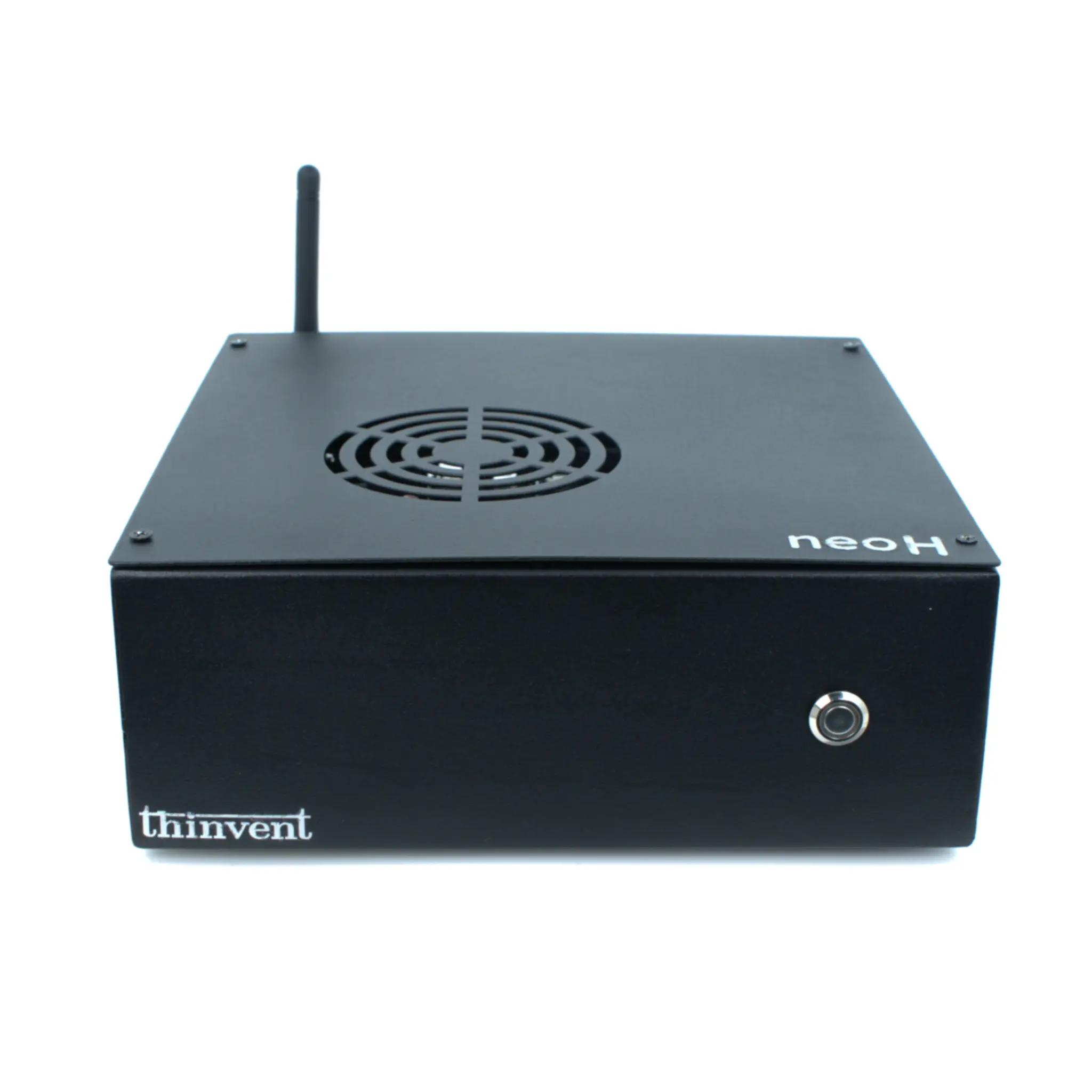
Edge AI devices are specialized computing systems designed to run artificial intelligence and machine learning models directly at the data source—the "edge" of the network. This eliminates the latency and bandwidth costs associated with sending data to a centralized cloud, enabling real-time decision-making. The best devices for this task balance processing power, energy efficiency, I/O capabilities, and robust form factors suitable for industrial environments. Key specifications to evaluate include the processor architecture (ARM for efficiency, x86 for performance), core count, clock speed, RAM, storage, and connectivity options like WiFi.
Key Specifications and Technical Details
High-performance Edge AI devices are defined by their processing capabilities. Modern options range from power-efficient ARM-based processors, like the Cortex-A55, to more powerful Intel Core and N-series CPUs. Critical specs include:
-
Processor & NPU: A dedicated Neural Processing Unit (NPU) or a CPU with strong AI inference capabilities (like Intel's AI Boost) is crucial for accelerating model execution.
-
Memory (RAM): Adequate RAM (4GB to 16GB+) is necessary for loading AI models and processing data batches.
-
Storage: Fast, reliable storage (eMMC, SSD) ensures quick boot times and access to models and data logs.
-
Connectivity: Multiple USB ports, Ethernet, and WiFi are essential for connecting cameras, sensors, and other peripherals.
-
Form Factor & Cooling: Fanless, rugged designs are ideal for deployment in harsh, uncontrolled environments where dust, vibration, and temperature extremes are concerns.
Applications and Use Cases
These devices unlock intelligent automation across numerous sectors:
-
Smart Manufacturing: Real-time visual inspection for defect detection on production lines.
-
Retail & Security: People counting, queue management, and intelligent video analytics.
-
Smart Cities: Traffic flow optimization, parking management, and public safety monitoring.
-
Healthcare: Monitoring patient movement and ensuring compliance with safety protocols.
-
Agriculture: Automated crop health monitoring and yield prediction.
Comparison of Common Edge AI Processor Types
| Feature | ARM-Based Processors (e.g., Cortex-A53/A55) | Intel N-Series (e.g., N100) | Intel Core Series (e.g., i3/i5) |
|---|---|---|---|
| Primary Strength | Ultra-low power, fanless, cost-effective | Excellent balance of performance & power efficiency | High performance for complex models & multi-tasking |
| Typical Use Case | Lightweight inference, sensor data aggregation | Mid-tier computer vision, gateway analytics | Heavy-duty AI workloads, real-time analytics servers |
| Power Consumption | Very Low (5-10W) | Low (6-15W) | Moderate to High (15-28W+) |
| Ideal For | Always-on, embedded deployments | Space-constrained, performance-needy edge applications | Demanding industrial AI at the edge |
Thinvent's Edge AI Computing Solutions
Thinvent offers a comprehensive range of industrial-grade computing devices perfectly suited for Edge AI deployments. Our portfolio includes fanless, rugged systems built for reliability in demanding environments. From the ultra-efficient Thinvent Micro series with ARM processors for lightweight AI tasks, to the powerful Thinvent Treo and IPC series featuring Intel N100 and Core i3/i5 processors for more complex inference, we provide scalable solutions. High-performance models like the Thinvent Aero Mini PC with Intel Core 5 120U processors deliver desktop-level AI performance in a compact form factor. All devices support various operating systems, including Thinux™ Embedded Linux, Ubuntu, and Windows IoT, providing the flexibility needed to deploy and manage AI models effectively at the edge worldwide.