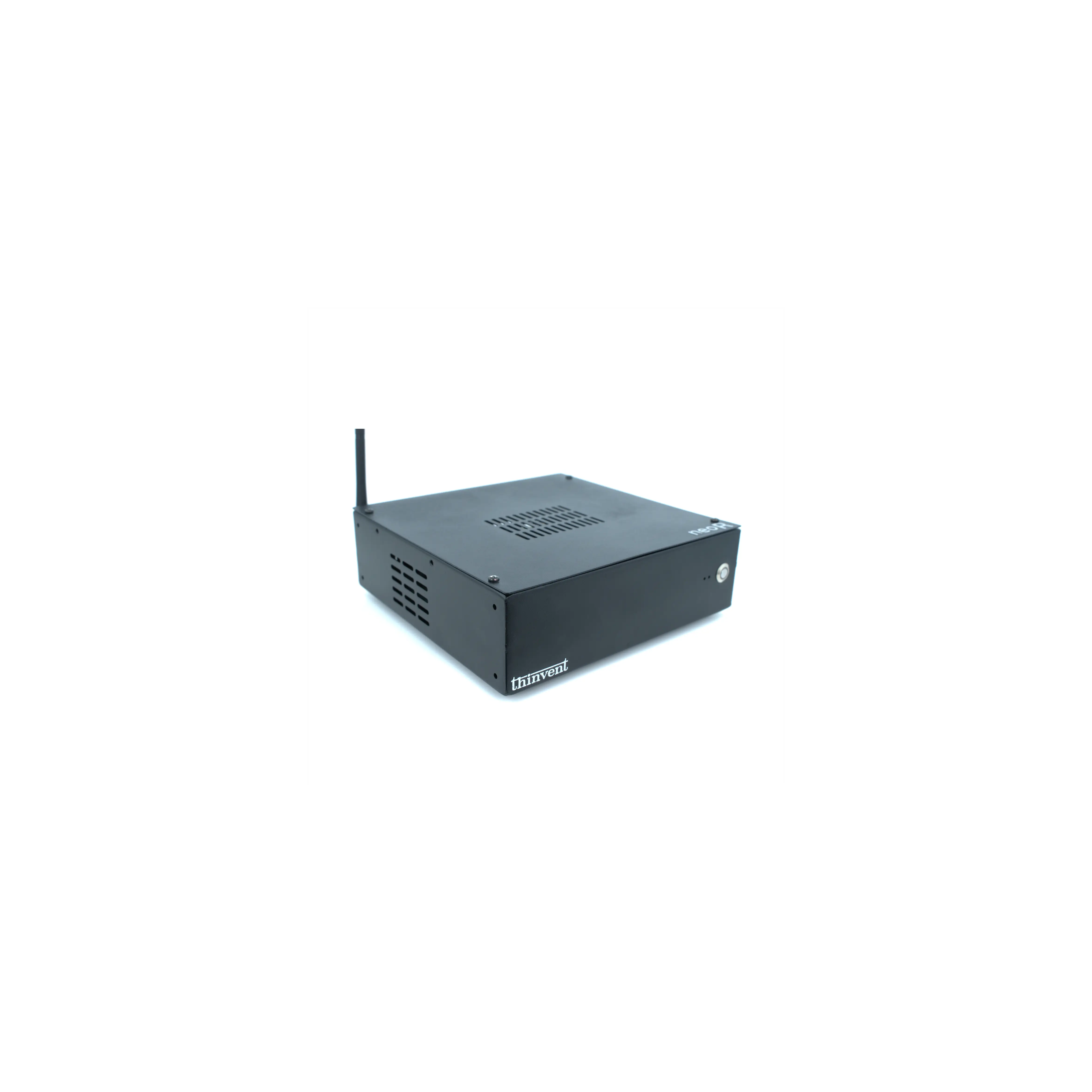
Compact Mini PCs: Power and Versatility in a Small Form Factor
Compact Mini PCs are the ultimate solution for users seeking powerful computing in a space-saving, energy-efficient, and versatile package. These devices pack the essential components of a traditional desktop—processor, memory, storage, and connectivity—into a chassis often no larger than a book. They are designed to deliver reliable performance for a wide range of tasks while consuming minimal power and generating less heat, often through fanless designs. Whether for a clutter-free home office, a digital signage setup, or a streamlined business workstation, compact Mini PCs offer a modern alternative to bulky towers.
Key Specifications and Technical Advantages
The performance of a compact Mini PC is defined by its core components. Processors range from efficient ARM-based chips, like the ARM Cortex A55 with 4 cores up to 1.9 GHz, ideal for lightweight computing and embedded applications, to powerful Intel Core processors. For example, Intel's 12th Gen i5-1240P offers 12 cores and speeds up to 4.4 GHz for demanding business software. Memory (RAM) typically varies from 2GB for basic tasks to 16GB for multitasking, while storage options include fast eMMC (16GB-64GB) for embedded systems and larger SSDs (128GB-512GB) for full operating systems. Key features often include multiple display outputs (HDMI), Wi-Fi connectivity, and versatile mounting options like VESA brackets.
Ideal Use Cases and Applications
These devices excel in specific environments due to their compact and robust nature. For Home Use, they are perfect as media centers for streaming, lightweight desktop computers for web browsing and office applications, or compact gaming consoles for cloud gaming services. In Business and Commercial settings, they serve as efficient thin clients for virtual desktops, point-of-sale (POS) terminals, digital signage players in retail or hospitality, and dedicated kiosk controllers. Their low power draw and silent operation (in fanless models) make them ideal for 24/7 operation in spaces where noise and heat are concerns.
Comparison of Common Compact Mini PC Configurations
| Processor Type | Typical Cores | Max Frequency | Ideal RAM | Storage | Best For |
|---|---|---|---|---|---|
| ARM Cortex (A53/A55) | 4 | Up to 2.0 GHz | 2GB - 4GB | 16GB - 64GB eMMC | Thin Clients, Digital Signage, Basic Kiosks |
| Intel Processor N100 | 4 | Up to 3.4 GHz | 4GB - 8GB | 128GB SSD | Home Office, Light Business Apps, Edge Computing |
| Intel Core i3/i5 (12th/14th Gen) | 6 - 12 | Up to 5.0 GHz | 8GB - 16GB | 256GB - 512GB SSD | Professional Workstations, Software Development, Multi-tasking |
Thinvent's Range of Compact Mini PCs
Thinvent offers a comprehensive portfolio of compact Mini PCs engineered for reliability across diverse scenarios. For entry-level and embedded needs, the Thinvent Micro series (like Micro 5 and Micro 6 Pro) provides ARM-based efficiency with Thinux™ Embedded Linux, perfect for digital signage and kiosks. The Thinvent Treo and IPC1 models feature the capable Intel N100 processor, balancing performance and power efficiency for general office and light industrial tasks. For high-performance demands in business and creative workloads, the Thinvent Aero and IPC series (like IPC3 and IPC5) are equipped with powerful Intel Core i3, i5, and even 14th Gen processors, supporting Windows 11 Pro or Ubuntu Linux. This range ensures a Thinvent solution exists for every need, from the most basic terminal to a powerful fanless industrial computer.