What Makes a Nano Computer the Best Choice for Space-Constrained Environments?
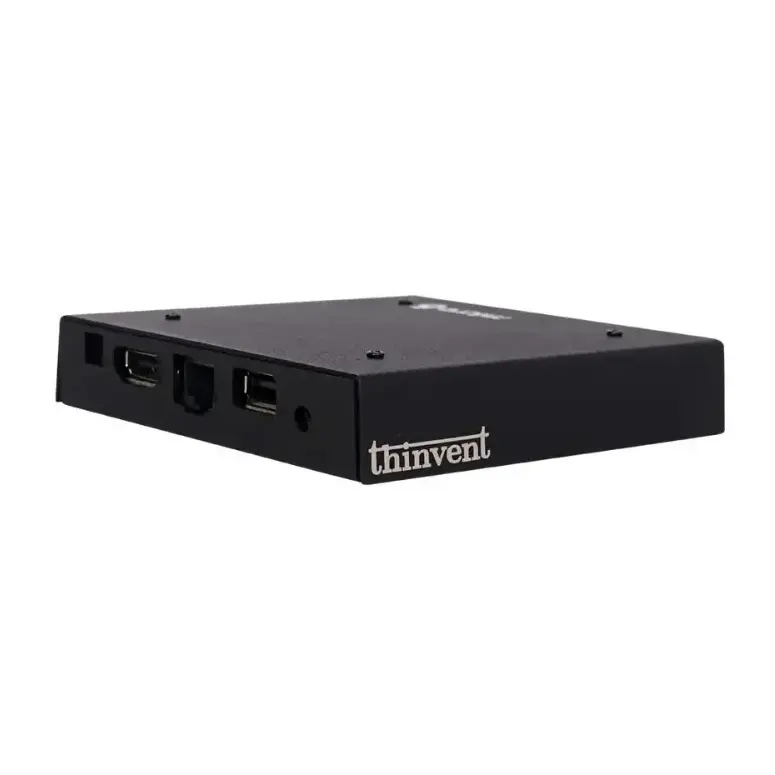
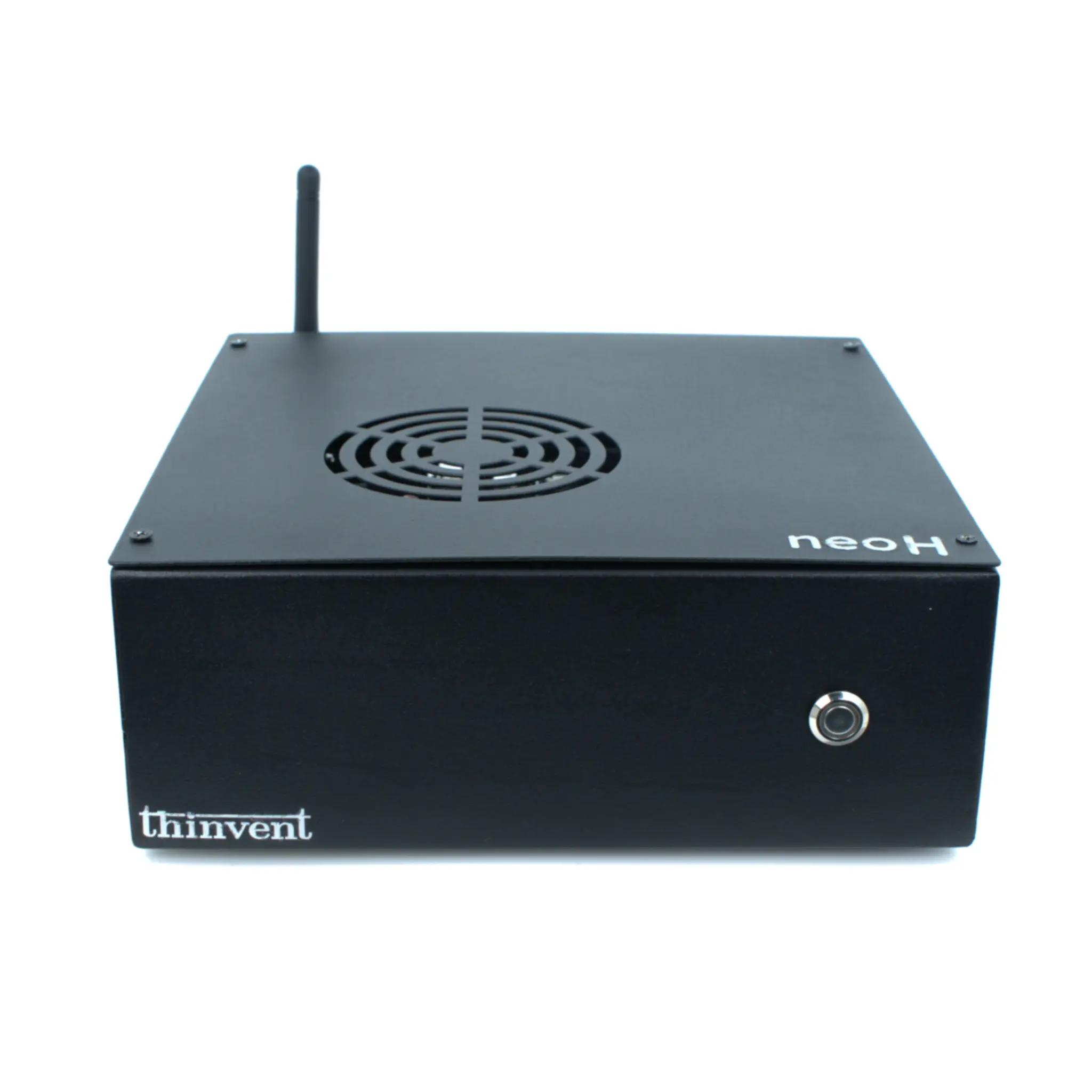
Nano computers are the smallest class of computing devices, designed to deliver essential computing power in a form factor that can fit in the palm of your hand. Unlike traditional desktops or even mini PCs, nano computers prioritize extreme miniaturization, often measuring less than 5 inches in any dimension and weighing under 200 grams. They are ideal for digital signage, IoT gateways, embedded systems, and light office tasks where desk space is at a premium or where the computer needs to be mounted behind a monitor.
The best nano computers balance size, power efficiency, and performance. Key specifications to look for include low-power processors (such as Intel N-series or ARM Cortex), fanless cooling for silent operation and reliability, and sufficient I/O ports (HDMI, USB, Ethernet) for connectivity. Many nano computers also support VESA mounting, allowing them to be attached directly to the back of a monitor or under a desk, completely freeing up workspace.
Key Specifications and Technical Details
When evaluating nano computers, pay attention to the processor architecture. ARM-based nano computers (like those using Cortex A53 or A55) are extremely power-efficient and cost-effective, making them perfect for lightweight tasks such as web browsing, media playback, and basic office applications. Intel-based nano computers (such as the N100) offer greater compatibility with x86 software and can handle more demanding workloads like light video editing or multitasking.
| Feature | ARM-Based Nano PC (e.g., Cortex A55) | Intel-Based Nano PC (e.g., N100) |
|---|---|---|
| Processor | 4 cores, up to 1.9 GHz | 4 cores, up to 3.4 GHz |
| RAM | 2-4 GB onboard | 4-32 GB DDR4 |
| Storage | 16-64 GB eMMC | 128-512 GB SSD |
| Power Consumption | 5V, 2A (10W) | 12V, 5A (60W) |
| Operating System | Linux-based | Windows, Linux, or bare metal |
| Best For | Embedded systems, kiosks, thin clients | General computing, light multitasking |
Use Cases and Applications
Nano computers excel in scenarios where space is limited but computing is required. Common applications include:
-
Digital Signage: Powering displays in retail stores, restaurants, and lobbies with media playback.
-
Thin Clients: Connecting to virtual desktops or cloud-based applications in enterprise environments.
-
IoT Gateways: Collecting and processing sensor data in smart buildings or industrial settings.
-
Home Automation: Running home assistant software or media servers.
-
Education: Providing low-cost computing for students in labs or libraries.
Their fanless design ensures silent operation and eliminates dust intake, making them reliable 24/7 in dusty or noise-sensitive environments.
Thinvent’s Ultra-Compact Nano Computer Solutions
Thinvent offers a range of nano computers tailored to different needs. For ultra-low-power and cost-sensitive applications, the Micro 5 and Micro 6 Pro series feature ARM Cortex processors with fanless operation, onboard RAM, and eMMC storage, running Thinux™ Embedded Linux. These are ideal for basic thin client or embedded use.
For those needing more performance in a tiny form factor, the Treo Mini PC series uses Intel N100 processors with up to 32GB RAM and SSD storage, supporting Windows or Linux. The Treo’s compact chassis can be VESA-mounted, making it perfect for space-saving setups behind monitors or under desks. All Thinvent nano computers are built with industrial-grade reliability, ensuring long-term durability in demanding environments.