What is the Best PC to Run an LLM Locally?
The best PC for running a Large Language Model (LLM) locally is a high-performance workstation or industrial-grade computer with a powerful multi-core processor, substantial RAM, and fast SSD storage. Local LLM inference is computationally intensive, requiring hardware that can handle parallel processing and large model weights loaded into memory. Key specifications include a modern Intel Core i5/i7 processor (or equivalent), a minimum of 16GB RAM (32GB+ is ideal), and a fast NVMe SSD for quick model loading.
Key Specifications for Local LLM Deployment
For effective local LLM operation, focus on these technical details:
-
Processor (CPU): A modern, multi-core CPU is crucial. Intel's 12th Generation (Alder Lake) or newer Core i5/i7 processors, with their hybrid architecture of Performance and Efficiency cores, offer excellent parallel processing for AI workloads. High core counts (6, 10, or 12) and high clock speeds improve token generation speed.
-
Memory (RAM): System RAM is a primary bottleneck. Models like Llama 2 7B require ~8-10GB of RAM just for the weights. For smooth operation and the ability to run larger models or use larger context windows, 32GB of DDR4 or DDR5 RAM is the recommended starting point, with 64GB being ideal for future-proofing.
-
Storage: A fast NVMe PCIe SSD (512GB or 1TB) drastically reduces model load times from several minutes to seconds compared to a SATA SSD or HDD.
-
Form Factor & Cooling: Industrial PCs and fanless mini PCs offer robust, reliable operation ideal for continuous AI inference tasks, avoiding thermal throttling in sustained workloads.
Use Cases and Applications
Running LLMs locally is valuable for scenarios requiring data privacy, low-latency responses, or offline operation:
-
Secure Research & Development: Process sensitive internal documents without sending data to external cloud APIs.
-
Edge AI & IoT: Integrate conversational AI into kiosks, digital signage, or manufacturing systems where internet connectivity is unreliable.
-
Software Development: Use local models for code completion, debugging, and testing within integrated development environments (IDEs).
-
Content Creation & Personal Assistance: Generate drafts, summaries, and creative content with complete control over the model and prompts.
Recommended Hardware Comparison
| Use Case | Recommended CPU Series | Minimum RAM | Ideal RAM | Storage | Key Consideration |
|---|---|---|---|---|---|
| Lightweight/Experimental (e.g., Phi-2, TinyLlama) | Intel Core i3 / N-series | 16 GB | 16 GB | 256 GB SSD | Good for learning and small models. |
| Mainstream Productivity (e.g., Llama 2 7B, Mistral 7B) | Intel Core i5 (12th Gen+) | 32 GB | 32 GB | 512 GB NVMe SSD | Balances performance and cost for most users. |
| Advanced/Developer Workstation (e.g., Llama 2 13B, Mixtral 8x7B) | Intel Core i7 (13th/14th Gen+) | 64 GB | 64 GB+ | 1 TB NVMe SSD | For running larger models and complex agentic workflows. |
Thinvent PCs for Local LLM Inference
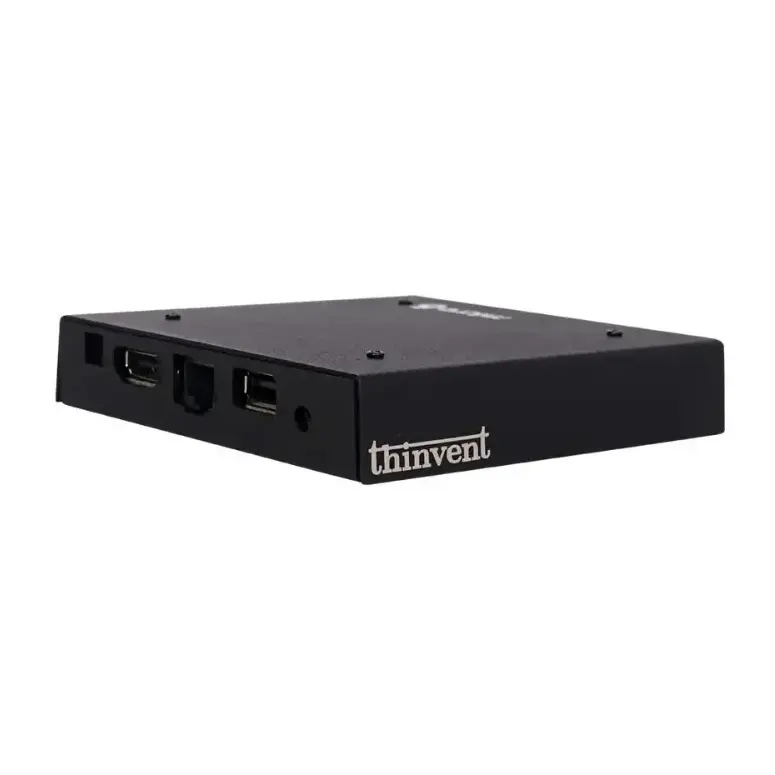
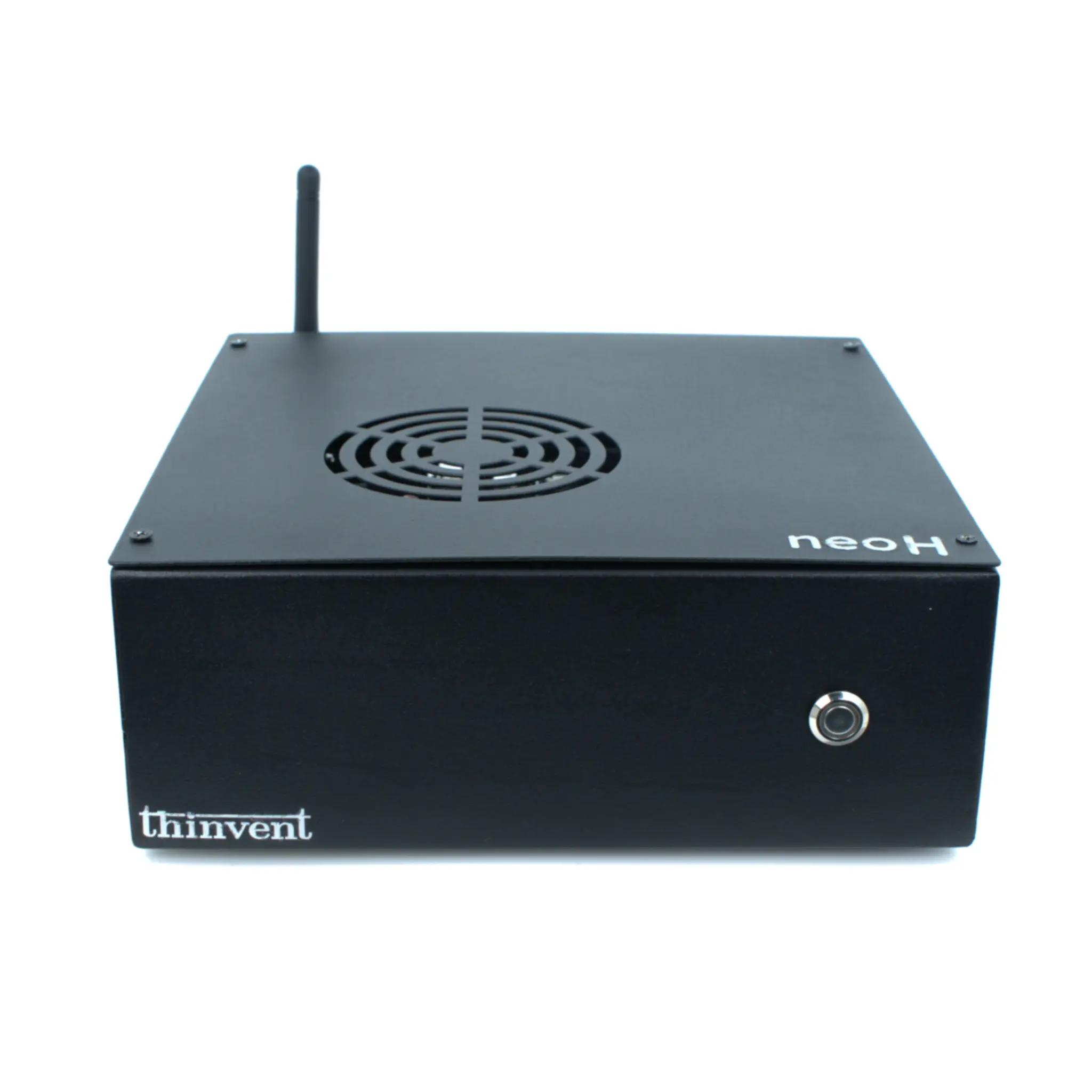
Thinvent's range of industrial computers provides the robust, high-performance foundation required for local LLM deployment. Our systems are engineered for 24/7 reliability in demanding environments, making them perfectly suited for continuous AI inference tasks. For mainstream LLM applications, we recommend our configurations featuring 12th Generation or newer Intel Core i5 and i7 processors. These can be paired with 32GB or 64GB of high-speed RAM and fast NVMe storage to create a powerful, local AI workstation. The fanless, solid-state design of many Thinvent PCs ensures silent, maintenance-free operation without the risk of dust intrusion or fan failure, which is critical for long-running AI processes.