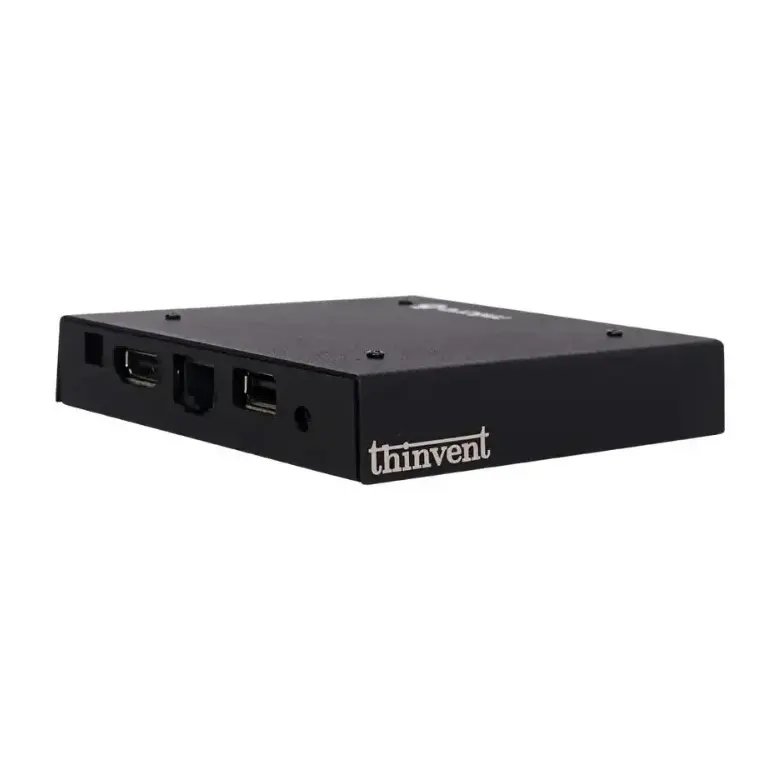
What is a Box Computer?
A Box Computer, also known as an industrial box PC, is a compact, self-contained computing system designed for integration into larger systems or for use in space-constrained environments. Unlike standard desktop towers, these units are built into rugged, often fanless enclosures that prioritize reliability, durability, and efficient operation in demanding conditions. They are the computational core for countless automated and embedded applications.
Key Specifications and Design
Modern industrial box computers are engineered with specific features for stability and longevity. Core specifications typically include energy-efficient Intel or ARM processors, solid-state storage (SSD), and DDR4 RAM. A defining characteristic is their fanless cooling system, which uses advanced heat dissipation techniques like heatsinks and heat pipes. This eliminates moving parts, reducing points of failure, preventing dust ingress, and enabling silent, 24/7 operation. Connectivity is robust, featuring multiple Gigabit Ethernet ports, USB 3.2/Type-C, HDMI/DisplayPort outputs, and expansion slots for custom I/O cards.
Applications and Use Cases
The rugged and compact nature of box PCs makes them ideal for a wide range of industrial and commercial applications. Common use cases include:
-
Digital Signage & Kiosks: Powering interactive displays in retail, hospitality, and public spaces.
-
Factory Automation & IoT Gateways: Controlling machinery, collecting sensor data, and managing network edge devices.
-
Thin Client & VDI: Serving as a secure endpoint for virtual desktop infrastructure in offices and call centers.
-
Transportation & Logistics: Used in fleet management, vehicle telematics, and warehouse automation systems.
-
Medical Devices: Providing reliable computing for diagnostic equipment and patient monitoring systems.
Comparison: Box PC vs. Traditional Desktop
| Feature | Industrial Box Computer | Traditional Desktop Tower |
|---|---|---|
| Form Factor | Compact, rugged, wall/DIN-rail mountable | Large, bulky, designed for desks |
| Cooling | Fanless (passive) for silent, reliable operation | Active (fans) which can fail and collect dust |
| Durability | Built for wide temperature ranges, vibration, shock | Designed for stable, office environments |
| Expansion | Limited, often via specific I/O modules | Extensive, with multiple PCIe slots |
| Primary Use | Embedded, industrial, space-constrained | General-purpose computing, gaming |
Thinvent Box Computer Solutions
Thinvent offers a comprehensive range of high-performance, fanless box computers designed for reliability in challenging environments. Our Aero Mini PC series, for example, features the latest Intel processors, such as the efficient N100, paired with ample DDR4 RAM and fast SSD storage. These systems are available with a choice of operating systems—including Windows 11 IoT/Pro, Ubuntu Linux, or our custom Thinux™ Embedded Linux—to match your software requirements. Built for 24/7 operation with silent, fanless cooling, Thinvent box PCs are the ideal embedded computing solution for automation, digital signage, thin client deployments, and IoT applications worldwide.