Understanding CPU Computers for Industrial Use
A CPU computer, or Central Processing Unit computer, is the core computing device for industrial applications, defined by its processor's performance, reliability, and thermal management. Unlike consumer PCs, industrial computers are engineered for 24/7 operation in demanding environments, featuring fanless cooling for silent, dust-resistant operation and wide operating temperature ranges. The price of an industrial CPU computer is determined by a combination of its processor, memory, storage, I/O capabilities, and ruggedization features.
Key Specifications and Technical Details
The primary components influencing performance and cost are the processor, system memory (RAM), and storage. Modern industrial PCs utilize efficient Intel processors like the N-series (e.g., N100, N95) or Core i-series (i3, i5). Key specifications to consider include:
-
Processor (CPU): Defines computational power. Entry-level tasks use Celeron or N-series chips, while intensive applications require Core i3/i5/i7.
-
Memory (RAM): Essential for multitasking. Configurations typically range from 4GB for basic HMI to 32GB+ for data analytics.
-
Storage: SSDs (128GB to 1TB) offer fast boot times and data access crucial for system responsiveness.
-
Form Factor: Includes compact Mini PCs, panel-mounted Industrial PCs, and space-saving All-in-One displays.
-
Connectivity: Multiple Gigabit Ethernet ports, USB 3.2, and HDMI/DisplayPort outputs are standard for industrial peripherals.
Applications and Use Cases
Industrial CPU computers are deployed across sectors where reliability is non-negotiable.
-
Digital Signage & Kiosks: Powering 24/7 content delivery in retail, transportation, and public venues.
-
Factory Automation: Acting as PLC supervisors, HMI stations, and machine vision controllers on the shop floor.
-
Thin Client & VDI: Providing secure, centralized access to enterprise applications and virtual desktops.
-
Edge Computing: Processing IoT sensor data locally in smart cities, energy grids, and agricultural systems.
Comparing Processor Tiers for Industrial PCs
| Processor Series | Typical Cores | Use Case | Ideal For |
|---|---|---|---|
| Intel N-Series (N100, N95) | 4 | Basic Computing, Digital Signage, Thin Client | Lightweight tasks, low power consumption, fanless designs |
| Intel Celeron | 2-4 | Entry-Level HMI, Kiosks, IoT Gateways | Cost-sensitive, moderate-performance applications |
| Intel Core i3 | 4-6 | Advanced HMI, Multi-Display Setups, Light Data Processing | Balanced performance for general industrial workloads |
| Intel Core i5/i7 | 6-14 | Machine Vision, AI Inference, Data Analytics, High-Performance Workstations | Demanding applications requiring high computational throughput |
Thinvent Industrial Computers Featuring Advanced CPUs
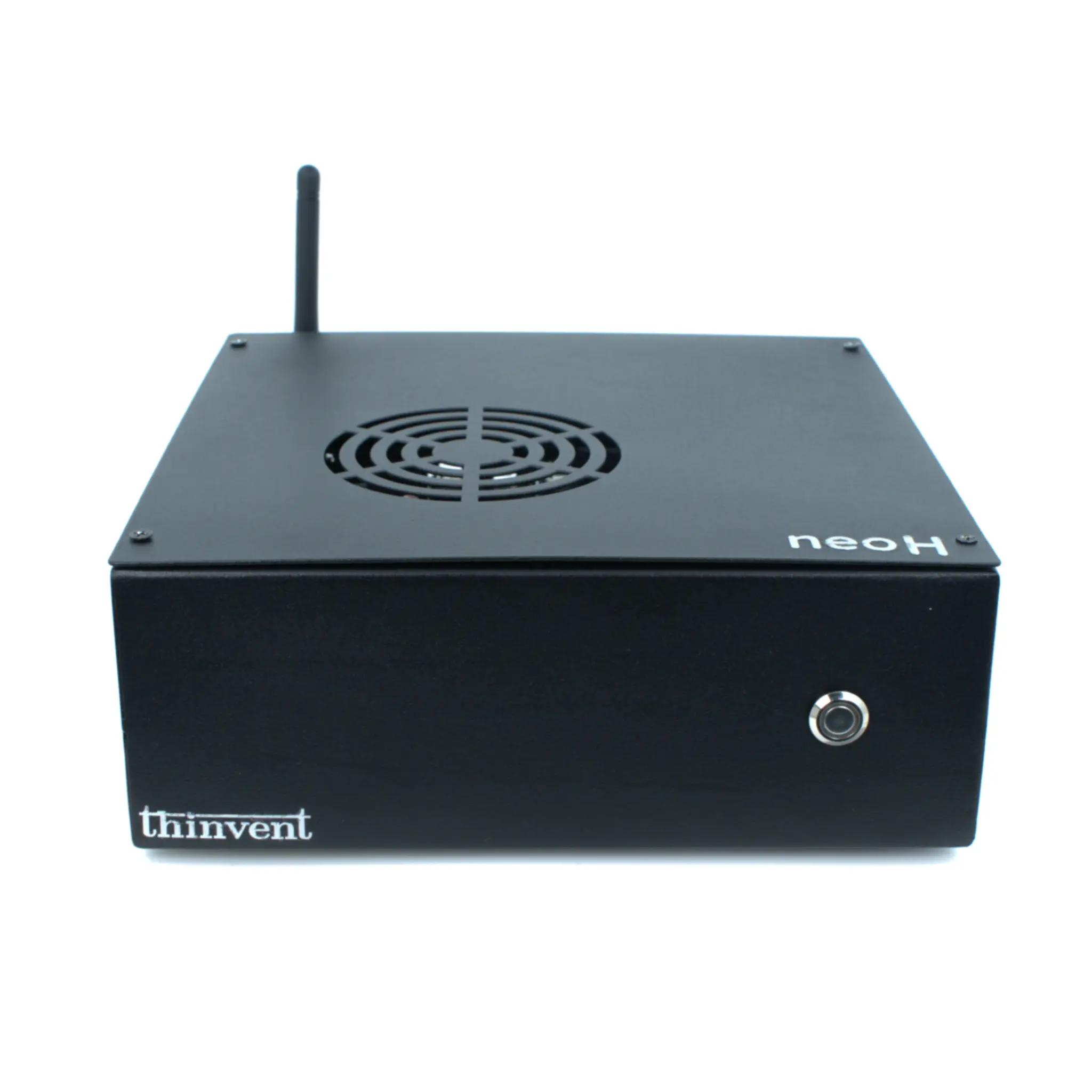
Thinvent manufactures a comprehensive range of robust industrial computers built around these critical CPU technologies. Our product lines include fanless Mini PCs like the Aero series, versatile All-in-One panel PCs, and dedicated Industrial PCs designed for rack or panel mounting. Each system is configurable with the latest Intel processors, from efficient N-series chips for embedded applications to powerful 13th and 14th Generation Core processors for intensive edge computing tasks. With options for wide-temperature operation, multiple expansion slots, and a choice of operating systems (Windows, Linux), Thinvent provides reliable computing solutions tailored to the precise demands of global industrial automation, digital signage, and IoT deployments.