What Are Industrial Computers for Train Management Systems?
Industrial computers for train management systems are specialized computing devices designed to process, display, and manage real-time data for railway operations. These systems, often referred to as CMS (Crew Management System) or other operational control systems, require hardware that is reliable, compact, and capable of operating in demanding environments with constant vibration, wide temperature ranges, and potential exposure to dust. The primary function is to provide train crews and control centers with accurate running details, schedules, signaling information, and diagnostic data.
Key Specifications for Railway Applications
For effective deployment in train management, industrial computers must meet specific technical criteria. Critical specifications include fanless cooling to prevent dust ingress and mechanical failure, wide operating temperature ranges (typically from -20°C to 60°C or beyond), and shock and vibration resistance certified to railway standards like EN 50155. Processing power needs to be sufficient for running real-time monitoring software, with modern Intel processors (like the efficient N-series) offering a balance of performance and low power consumption. Adequate RAM (8GB to 16GB) and SSD storage (128GB to 512GB) ensure smooth operation of the OS and applications, while multiple Ethernet ports are essential for network redundancy and connecting to onboard train networks.
Use Cases and Applications
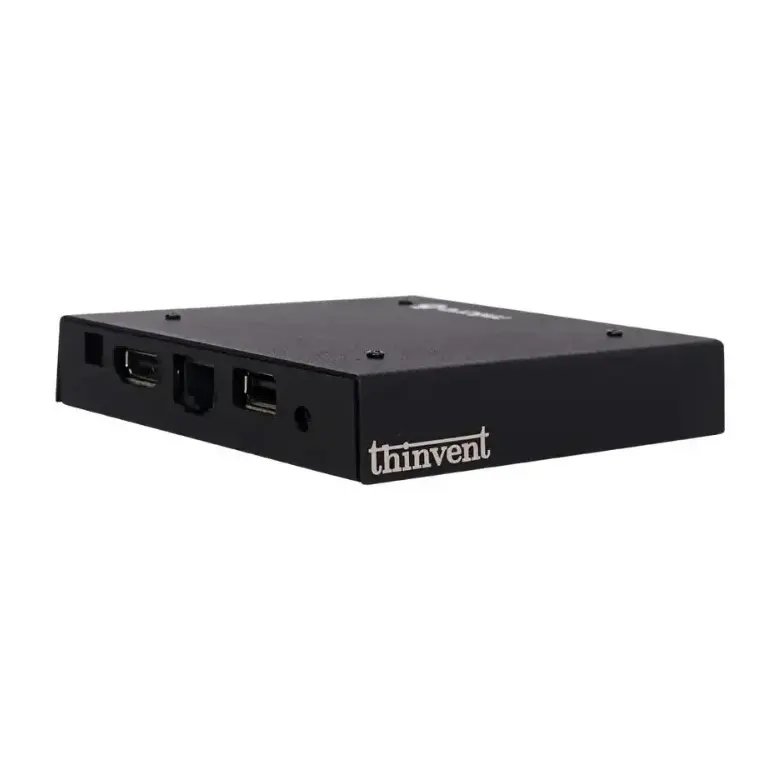
These rugged computers are integral to various railway functions. They serve as onboard driver displays, showing real-time speed, signaling, and route information. In control centers, they power dispatch and traffic management workstations, aggregating data from multiple trains. They are also used for passenger information systems (PIS), displaying arrival/departure details, and for diagnostic monitoring, collecting data from train subsystems for predictive maintenance. Their compact form factor, like a Mini PC, allows for flexible installation in space-constrained cabins and control panels.
Comparison of Key Features
| Feature | Importance for Train Systems | Typical Industrial PC Spec |
|---|---|---|
| Form Factor | Must fit in confined spaces on trains or control desks. | Mini PC, Panel PC |
| Cooling | Must be silent and reliable; fans can fail due to dust. | Fanless Design |
| Ruggedness | Must withstand constant vibration and shock. | Vibration/Shock Resistant |
| Temperature | Must operate in non-climate-controlled environments. | Wide Temperature Range (-20°C to 60°C+) |
| Connectivity | Requires reliable, high-speed data links for network systems. | Dual Gigabit Ethernet, Multiple USB Ports |
| Power Supply | Must handle unstable power sources common in rail. | Wide-Range DC Input (e.g., 9-36V DC) |
Thinvent Products for Railway Management
Thinvent offers a range of industrial-grade computing solutions perfectly suited for demanding railway environments like CMS and train running detail systems. Our Aero Mini PC series, for example, features the efficient Intel N100 processor in a compact, fanless chassis, ensuring silent and reliable operation. Built with industrial components, these systems support wide-temperature operation and provide the necessary connectivity, including Gigabit Ethernet, for seamless integration into train networks. Available with various operating systems like Windows 11 IoT, Ubuntu Linux, or a custom embedded OS, Thinvent computers provide a robust, scalable hardware platform for critical transportation applications worldwide.