What Are Compact Workstations?
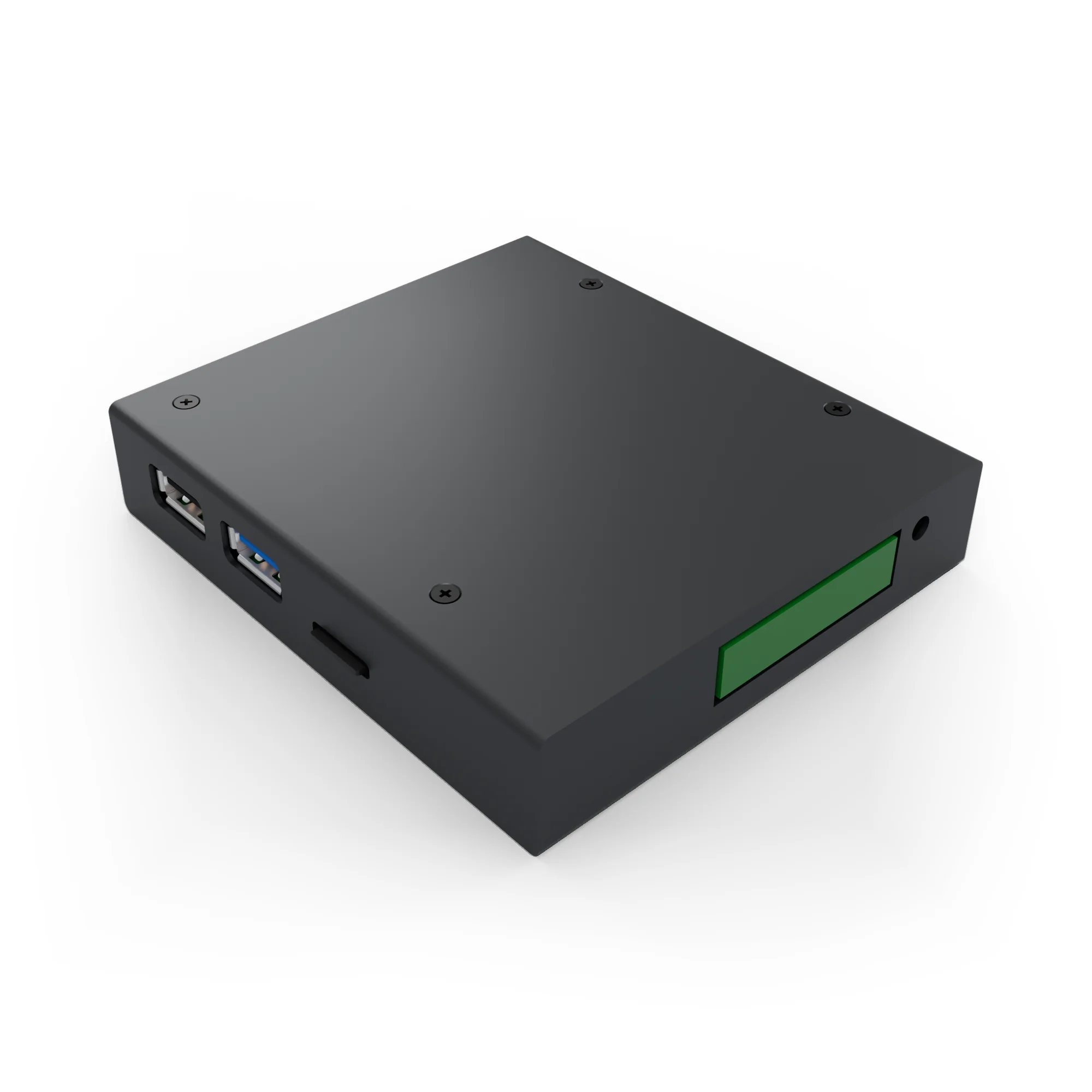
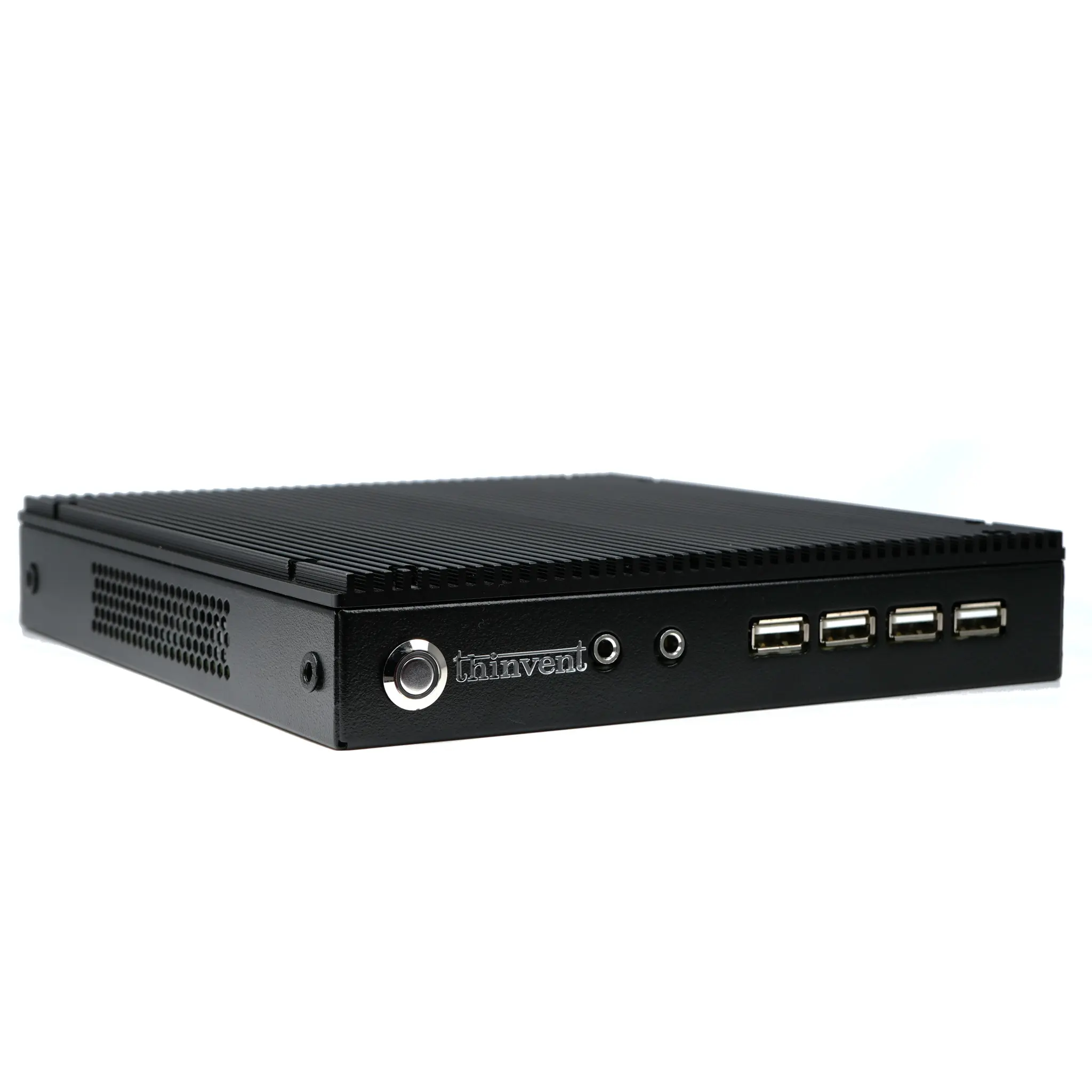
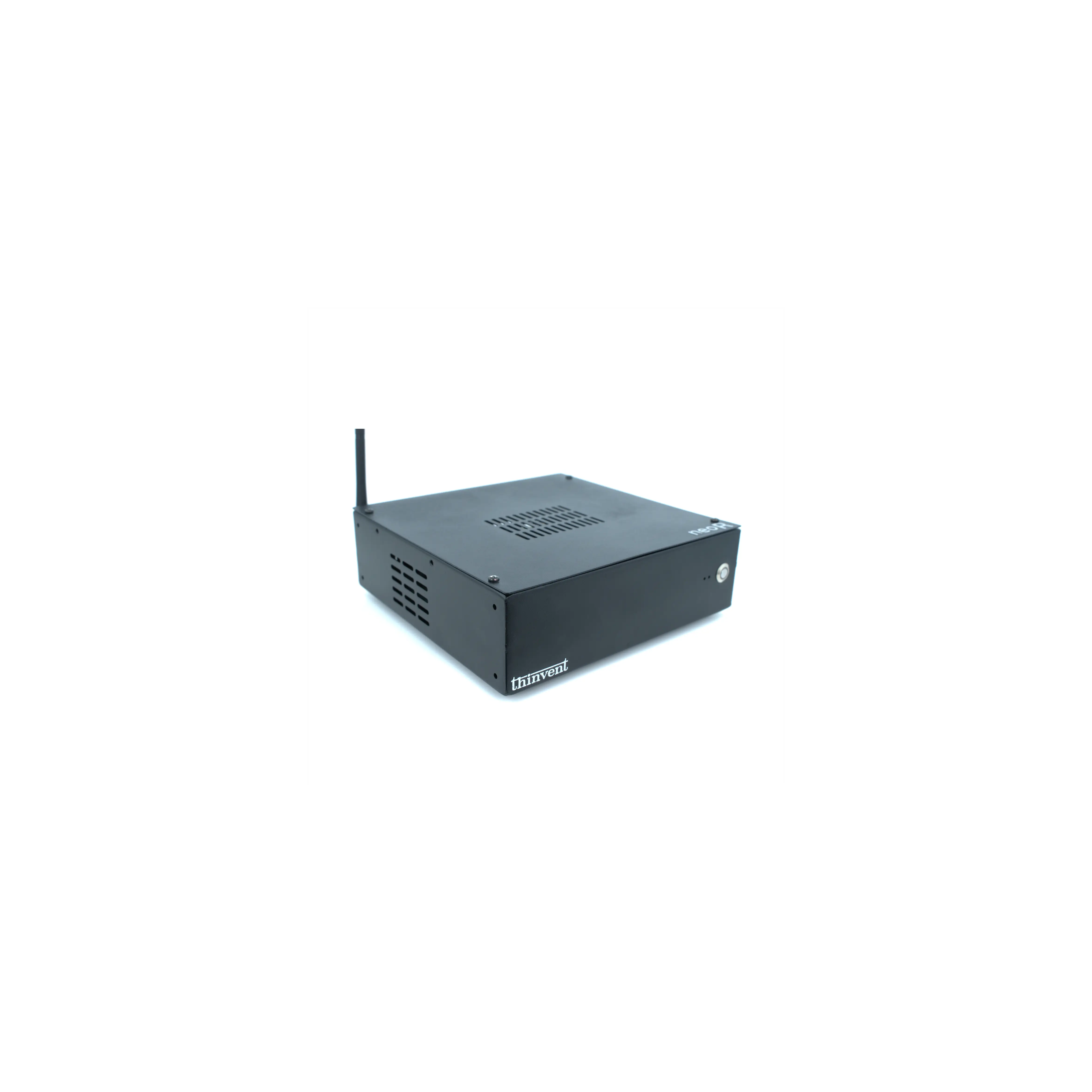
Compact workstations are small-form-factor computing devices engineered to deliver professional-grade performance in a minimal physical footprint. Unlike traditional bulky desktops, these systems integrate powerful processors, ample memory, and fast storage into a chassis often no larger than a book. They are designed for reliability, energy efficiency, and silent operation, frequently utilizing fanless cooling for dust-free and maintenance-free use in demanding environments. These workstations bridge the gap between basic mini PCs and full-sized towers, offering a robust solution for compute-intensive tasks without sacrificing desk space.
Key Specifications and Technical Advantages
The core strength of a compact workstation lies in its component selection. High-performance options include Intel Core i5 and i7 processors (e.g., 12th and 14th Gen), with core counts up to 12 and clock speeds reaching 5.0 GHz, paired with substantial L3 cache (up to 12 MB) for rapid data access. Memory configurations typically range from 8GB to 16GB of DDR4 RAM, while storage utilizes fast SSDs from 256GB to 512GB. For less demanding, always-on applications, ARM-based systems with efficient Cortex-A55 processors, 4GB RAM, and eMMC storage provide a low-power alternative. Common features across platforms include multiple display outputs (HDMI), robust power adapters (12V/7A), and support for various operating systems like Windows 11 Pro, Ubuntu Linux, or embedded Thinux™.
Ideal Use Cases and Professional Applications
These versatile systems are deployed across numerous professional sectors. In digital signage and kiosks, their small size and fanless design allow for discreet integration. For software development and programming, the powerful Intel Core configurations provide ample resources for running IDEs, virtual machines, and compilation tasks. In industrial automation and control, their reliability and support for Linux make them ideal for machine interfacing and monitoring. They also serve excellently as thin client hosts or network gateways, especially the ARM-based models, due to their low heat output and energy efficiency. Other applications include CAD viewing, financial trading terminals, telemedicine stations, and compact office desktops for general productivity.
Comparing Compact Workstation Tiers
| Feature / Use Case | Entry-Level (ARM / Intel N-Series) | Mid-Range (Intel Core i3/i5) | High-Performance (Intel Core i5/i7) |
|---|---|---|---|
| Typical Processor | ARM Cortex A55, Intel N100 | Intel Core i3-1215U, i5-1240P | Intel Core i5-120U (14th Gen) |
| Best For | Digital Signage, Thin Clients, IoT Gateways | Office Productivity, Programming, Light CAD | Software Development, Data Analysis, Multi-tasking |
| Key Strength | Ultra-Low Power, Fanless, Cost-Effective | Excellent Balance of Performance & Efficiency | Maximum Compute Power in Small Form Factor |
| Memory & Storage | 2-4GB RAM, 16-64GB eMMC/SSD | 8-16GB RAM, 256-512GB SSD | 16GB+ RAM, 512GB+ SSD |
Thinvent's Range of Compact Workstations
Thinvent offers a comprehensive portfolio of compact workstations tailored to diverse professional needs. For ultimate efficiency and fanless operation, the Micro series (Micro 5 Wifi, Micro 6 Pro) with ARM processors is perfect for embedded and display applications. The Treo Mini PC and IPC1 line, featuring the efficient Intel Processor N100, provide a strong x86 foundation for general business software. For demanding professional computing, the Industrial PC (IPC) series (IPC3, IPC5) and the Aero Mini PC deliver robust performance with Intel Core i3, i5, and i7 processors, capable of handling complex applications, virtualization, and sustained workloads. All Thinvent workstations are built for 24/7 reliability and are supported by a range of operating system choices to fit any software environment.