What is an All-in-One Computer?
An All-in-One (AIO) computer integrates the central processing unit (CPU), memory, storage, and display into a single, compact unit. Unlike traditional desktop setups with separate towers and monitors, an AIO combines all core components behind the screen, resulting in a clean, space-saving design with minimal cable clutter. This form factor is ideal for environments where a streamlined, professional appearance and efficient use of space are priorities.
Key Specifications and Technical Details
Modern industrial All-in-One PCs are built for reliability and performance. Key specifications typically include:
-
Processor: Options range from efficient Intel Celeron or N-series processors for basic tasks to powerful Intel Core i3, i5, or i7 CPUs for demanding applications.
-
Memory (RAM): Configurations from 4GB to 64GB DDR4/DDR5 to handle multiple applications smoothly.
-
Storage: Fast Solid State Drives (SSDs) from 128GB to 1TB or more, offering quick boot times and responsive data access.
-
Display: Integrated screens, commonly 21.5" or 23.8" in size, often featuring touchscreen capabilities and designed for high visibility.
-
Connectivity: Comprehensive I/O including multiple USB ports (USB 3.2, USB-C), HDMI outputs, Gigabit Ethernet, and often Wi-Fi & Bluetooth.
-
Design: Fanless or ultra-quiet cooling is common for 24/7 operation in dusty or sensitive environments.
Use Cases and Applications
All-in-One computers are versatile solutions for numerous professional and industrial settings:
-
Digital Signage & Kiosks: Powering interactive displays, wayfinding systems, and self-service terminals in retail, hospitality, and public spaces.
-
Point of Sale (POS): Serving as streamlined cash registers and order management systems in restaurants and stores.
-
Industrial Control Rooms: Providing a compact interface for monitoring and controlling machinery, SCADA systems, and production lines.
-
Office & Administrative Work: Offering a tidy, professional workstation for general office tasks, reception areas, and call centers.
-
Healthcare: Used in nurse stations and patient rooms for accessing medical records and management systems.
Comparison: All-in-One vs. Traditional Desktop vs. Mini PC
| Feature | All-in-One (AIO) PC | Traditional Desktop | Mini PC |
|---|---|---|---|
| Footprint | Minimal, integrated display | Large (tower + separate monitor) | Very small, requires external monitor |
| Setup Complexity | Simple, few cables | Complex, many cables | Simple, but needs peripherals |
| Upgradability | Limited, often proprietary | High, standard components | Moderate to low, compact form |
| Aesthetics | Clean, modern, professional | Functional, can be cluttered | Discreet, hidden behind monitor |
| Ideal For | Space-constrained, public-facing, kiosks | High-performance, customizable setups | Digital signage, embedded wall-mount |
Thinvent All-in-One Computer Solutions
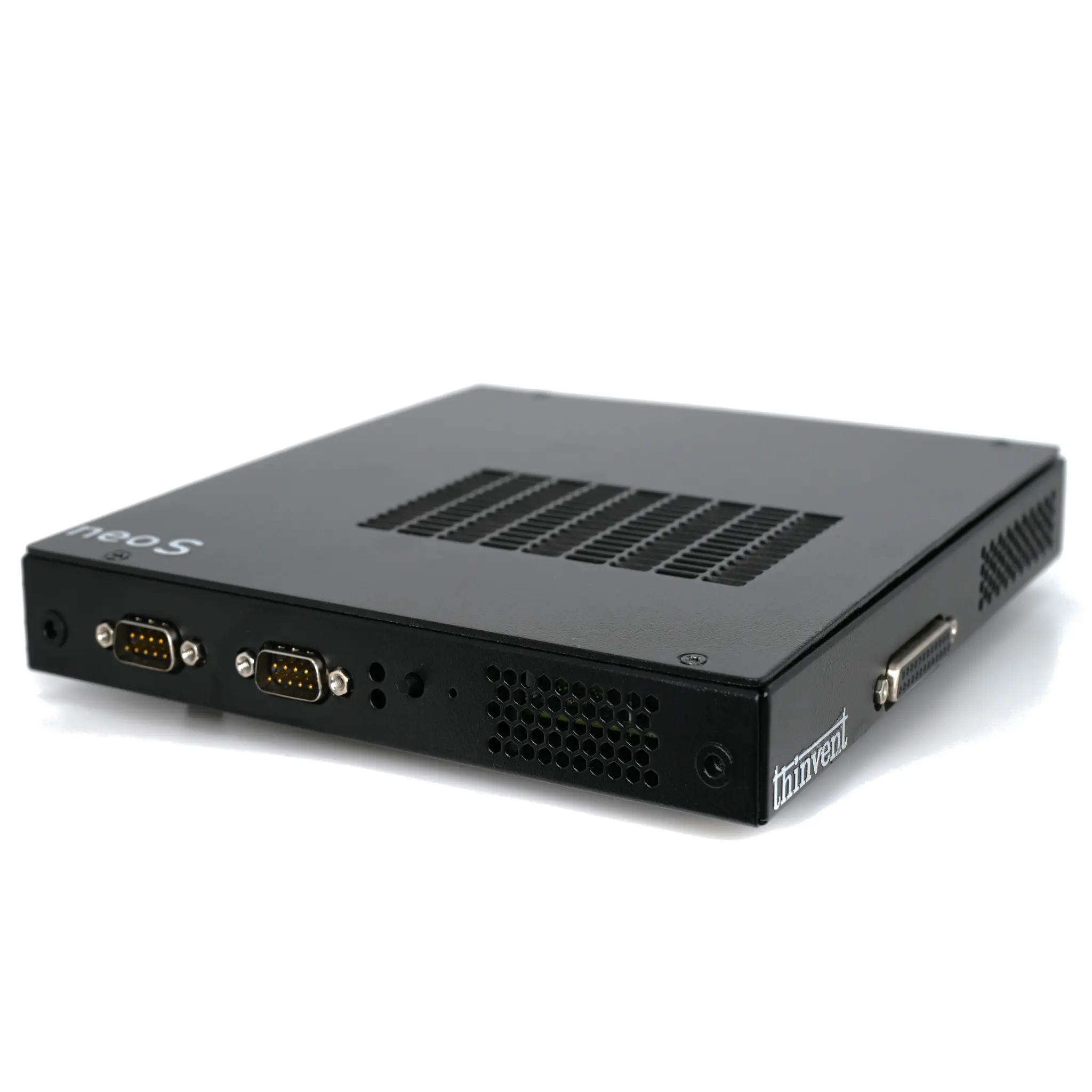
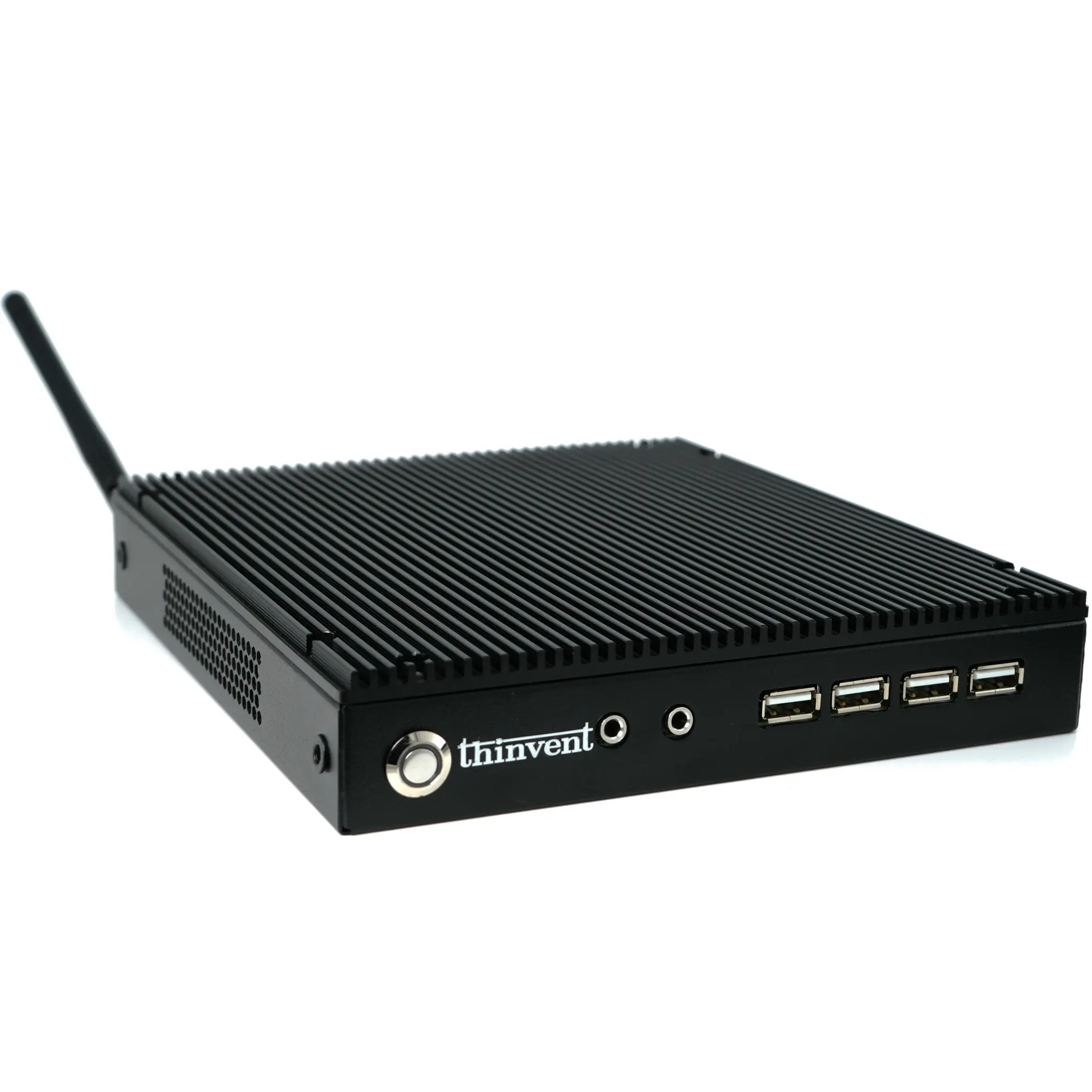
Thinvent offers a robust range of industrial All-in-One computers designed for demanding environments. Our AIO solutions feature reliable Intel processors, fanless designs for silent and maintenance-free operation, and high-brightness, often touch-enabled displays suitable for various lighting conditions. Built with industrial-grade components, Thinvent All-in-One PCs are engineered for 24/7 reliability in applications like factory automation, interactive kiosks, and secure office workstations, providing a powerful and space-efficient computing solution.